The Strait of Hormuz: A Growing Threat to Global Food Security Beyond Oil
The Strait of Hormuz: A Growing Threat to Global Food Security Beyond Oil
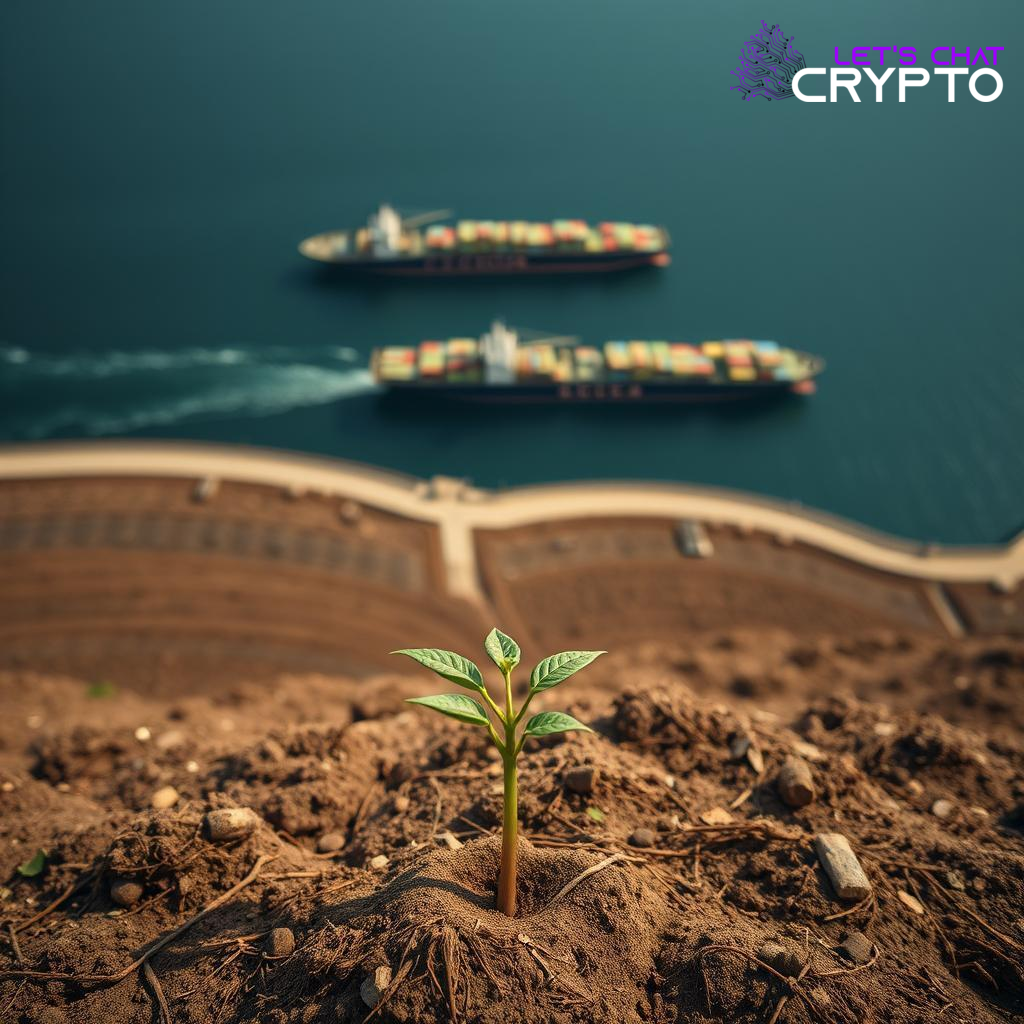
The Strait of Hormuz has long been synonymous with global energy security, a critical choke point for a significant portion of the world's oil supply. However, escalating tensions and geopolitical instability in the region are now casting a shadow over another vital global commodity: fertilizers. Analysts are increasingly warning that disruptions to this lesser-known trade artery could trigger a multi-country food crisis, extending far beyond the immediate energy markets.
A Quiet Domino Effect: The Fertilizer Lifeline
While the focus often remains on crude oil tankers navigating the Strait, approximately one-third of the world's seaborne fertilizer trade also transits these waters. This includes crucial components like urea, phosphates, and potash, essential for agricultural productivity across the globe. Nations in the Middle East, such as Saudi Arabia and Qatar, are significant exporters of these vital nutrients, supplying agricultural powerhouses in Asia, Africa, and beyond. Any impediment to this flow immediately impacts farmers' ability to fertilize crops, directly threatening yields and, subsequently, global food supply chains.
The Interconnected Web of Global Agriculture
The implications of a fertilizer supply disruption through Hormuz are far-reaching. For instance, a delay or reduction in urea shipments to Southeast Asia could drastically reduce rice production, impacting staple food prices for hundreds of millions. Similarly, a shortage of potash reaching South American agricultural hubs could diminish soybean and corn harvests, with ripple effects on global commodity markets and livestock feed. The sensitivity of this supply chain means that even minor disturbances—increased shipping costs, insurance premiums, or rerouting efforts—can quickly translate into higher food production costs, ultimately borne by consumers.
Economic Vulnerabilities and Humanitarian Concerns
The economic fallout from a fertilizer crisis would be substantial. Farmers, already grappling with fluctuating commodity prices and climate change impacts, would face increased input costs, potentially leading to reduced planting or decreased profitability. For import-dependent developing nations, a rise in food prices could exacerbate existing food insecurity, pushing more populations into poverty and hunger. This "quiet domino effect" highlights how geopolitical risks in one critical maritime corridor can rapidly cascade into humanitarian crises across continents, underscoring the urgent need for stable and secure trade routes.
Summary
The Strait of Hormuz represents more than just an oil problem; it has unequivocally become a food problem. The substantial volume of global fertilizer trade moving through this narrow passage means that regional instability poses a direct and severe threat to global food security. As geopolitical tensions simmer, the international community must recognize the profound and interconnected risks, working towards solutions that safeguard not only energy supplies but also the fundamental agricultural inputs that feed the world.
Resources
- International Fertilizer Association (IFA)
- Lloyd's List Intelligence
- Food and Agriculture Organization of the United Nations (FAO)
Details
Author
Top articles





 }})
You can now watch HBO Max for $10
Latest articles





You can now watch HBO Max for $10
The Strait of Hormuz: A Growing Threat to Global Food Security Beyond Oil
The Strait of Hormuz has long been synonymous with global energy security, a critical choke point for a significant portion of the world's oil supply. However, escalating tensions and geopolitical instability in the region are now casting a shadow over another vital global commodity: fertilizers. Analysts are increasingly warning that disruptions to this lesser-known trade artery could trigger a multi-country food crisis, extending far beyond the immediate energy markets.
A Quiet Domino Effect: The Fertilizer Lifeline
While the focus often remains on crude oil tankers navigating the Strait, approximately one-third of the world's seaborne fertilizer trade also transits these waters. This includes crucial components like urea, phosphates, and potash, essential for agricultural productivity across the globe. Nations in the Middle East, such as Saudi Arabia and Qatar, are significant exporters of these vital nutrients, supplying agricultural powerhouses in Asia, Africa, and beyond. Any impediment to this flow immediately impacts farmers' ability to fertilize crops, directly threatening yields and, subsequently, global food supply chains.
The Interconnected Web of Global Agriculture
The implications of a fertilizer supply disruption through Hormuz are far-reaching. For instance, a delay or reduction in urea shipments to Southeast Asia could drastically reduce rice production, impacting staple food prices for hundreds of millions. Similarly, a shortage of potash reaching South American agricultural hubs could diminish soybean and corn harvests, with ripple effects on global commodity markets and livestock feed. The sensitivity of this supply chain means that even minor disturbances—increased shipping costs, insurance premiums, or rerouting efforts—can quickly translate into higher food production costs, ultimately borne by consumers.
Economic Vulnerabilities and Humanitarian Concerns
The economic fallout from a fertilizer crisis would be substantial. Farmers, already grappling with fluctuating commodity prices and climate change impacts, would face increased input costs, potentially leading to reduced planting or decreased profitability. For import-dependent developing nations, a rise in food prices could exacerbate existing food insecurity, pushing more populations into poverty and hunger. This "quiet domino effect" highlights how geopolitical risks in one critical maritime corridor can rapidly cascade into humanitarian crises across continents, underscoring the urgent need for stable and secure trade routes.
Summary
The Strait of Hormuz represents more than just an oil problem; it has unequivocally become a food problem. The substantial volume of global fertilizer trade moving through this narrow passage means that regional instability poses a direct and severe threat to global food security. As geopolitical tensions simmer, the international community must recognize the profound and interconnected risks, working towards solutions that safeguard not only energy supplies but also the fundamental agricultural inputs that feed the world.
Resources
- International Fertilizer Association (IFA)
- Lloyd's List Intelligence
- Food and Agriculture Organization of the United Nations (FAO)
Top articles
You can now watch HBO Max for $10
Latest articles
You can now watch HBO Max for $10
Similar posts




This is a page that only logged-in people can visit. Don't you feel special? Try clicking on a button below to do some things you can't do when you're logged out.
Example modal
At your leisure, please peruse this excerpt from a whale of a tale.
Chapter 1: Loomings.
Call me Ishmael. Some years ago—never mind how long precisely—having little or no money in my purse, and nothing particular to interest me on shore, I thought I would sail about a little and see the watery part of the world. It is a way I have of driving off the spleen and regulating the circulation. Whenever I find myself growing grim about the mouth; whenever it is a damp, drizzly November in my soul; whenever I find myself involuntarily pausing before coffin warehouses, and bringing up the rear of every funeral I meet; and especially whenever my hypos get such an upper hand of me, that it requires a strong moral principle to prevent me from deliberately stepping into the street, and methodically knocking people's hats off—then, I account it high time to get to sea as soon as I can. This is my substitute for pistol and ball. With a philosophical flourish Cato throws himself upon his sword; I quietly take to the ship. There is nothing surprising in this. If they but knew it, almost all men in their degree, some time or other, cherish very nearly the same feelings towards the ocean with me.
Comment