Coldcard Mk3 Users Urged to Secure Funds Amidst 594 BTC Theft Reports: Coinkite Issues Critical Passphrase Warning
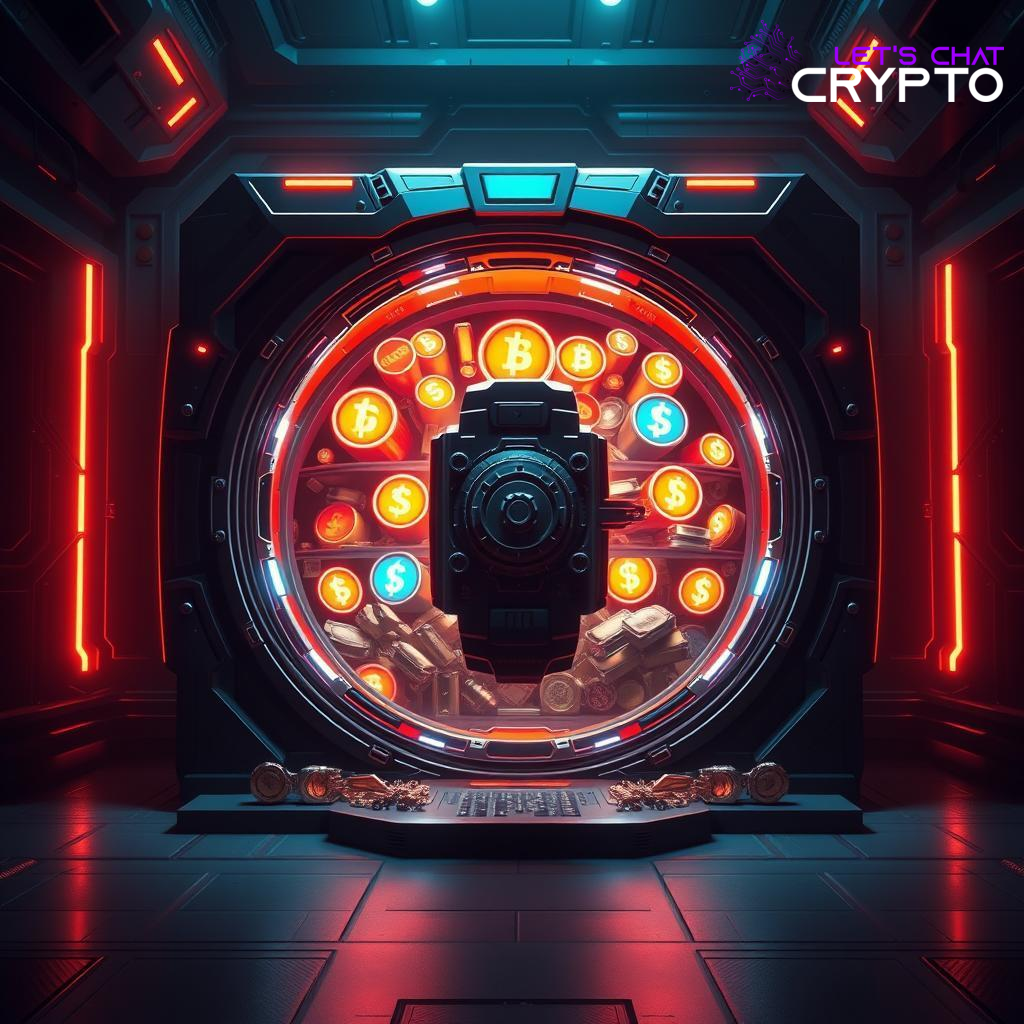
In a pressing development that underscores the persistent security challenges within the cryptocurrency ecosystem, Coinkite, the manufacturer of the widely used Coldcard hardware wallet, has issued a critical warning to users of its Mk3 device. The advisory comes in the wake of disturbing reports detailing the theft of approximately 594 Bitcoin (BTC), valued at tens of millions of dollars, linked to alleged vulnerabilities or compromised devices.
Immediate Action Recommended for Mk3 Owners
Coinkite’s urgent recommendation for all Mk3 users is to establish a robust and unique BIP-39 passphrase directly on their device. This crucial security layer, also known as a "25th word," adds an additional layer of entropy to the wallet's seed phrase, making it significantly more difficult for unauthorized parties to access funds even if the primary seed is compromised. Following the creation of this passphrase, users are strongly advised to transfer their existing funds to the new wallet address generated by this enhanced security setup.
The BIP-39 passphrase essentially creates a hidden wallet, with a different set of addresses derived from the same seed phrase but secured by the additional word. Without this specific passphrase, the funds in the hidden wallet remain inaccessible, even if someone gains possession of the physical device or the primary 24-word seed phrase.
Understanding the Reported Incidents
While Coinkite has not publicly detailed the specific nature of the vulnerabilities or the exact vectors of the reported 594 BTC thefts, the proactive and strong recommendation points to a significant concern regarding the security posture of Mk3 devices that do not utilize a passphrase. The incidents serve as a stark reminder of the sophisticated threats targeting high-value crypto assets and the importance of adopting all available security measures.
Hardware wallets are generally considered one of the most secure methods for storing cryptocurrency due to their offline nature, which insulates private keys from online threats. However, even these devices can be subject to supply chain attacks, sophisticated malware, or user error if best practices are not rigorously followed.
Broader Implications for Hardware Wallet Security
This incident reverberates throughout the broader cryptocurrency community, highlighting the continuous arms race between security developers and malicious actors. It reinforces the principle that even with cutting-edge hardware, user vigilance and the implementation of advanced security features are paramount. The BIP-39 passphrase, while offering superior protection, requires careful management and memorization, or secure offline storage, as its loss would render funds irrecoverable.
The situation also underscores the responsibility of hardware wallet manufacturers to transparently communicate potential risks and guide users through critical security updates and best practices, as Coinkite has done in this instance.
Summary
Coldcard Mk3 users face an elevated risk, prompted by Coinkite's urgent advisory to create a unique BIP-39 passphrase on their devices and transfer funds to the new passphrase-protected wallet. This recommendation comes amidst reports of a substantial 594 BTC theft, emphasizing the critical need for enhanced security measures. The incident serves as a stark reminder of the vulnerabilities in even advanced hardware wallets and the indispensable role of user-implemented security protocols in safeguarding digital assets.
Resources
- Coinkite Official Announcement/Blog (Presumed to be the source of the direct warning, though specific link may vary with time, general guidance often found on their support or blog sections): Coinkite.com
- Bitcoin Magazine: Reputable source for cryptocurrency news and analysis, likely to cover major security incidents affecting hardware wallets.
- Decrypt: A prominent news outlet covering cryptocurrency and Web3, providing in-depth reports on industry-relevant security issues.
Details
Author
Top articles




 }})
You can now watch HBO Max for $10
Latest articles



You can now watch HBO Max for $10
In a pressing development that underscores the persistent security challenges within the cryptocurrency ecosystem, Coinkite, the manufacturer of the widely used Coldcard hardware wallet, has issued a critical warning to users of its Mk3 device. The advisory comes in the wake of disturbing reports detailing the theft of approximately 594 Bitcoin (BTC), valued at tens of millions of dollars, linked to alleged vulnerabilities or compromised devices.
Immediate Action Recommended for Mk3 Owners
Coinkite’s urgent recommendation for all Mk3 users is to establish a robust and unique BIP-39 passphrase directly on their device. This crucial security layer, also known as a "25th word," adds an additional layer of entropy to the wallet's seed phrase, making it significantly more difficult for unauthorized parties to access funds even if the primary seed is compromised. Following the creation of this passphrase, users are strongly advised to transfer their existing funds to the new wallet address generated by this enhanced security setup.
The BIP-39 passphrase essentially creates a hidden wallet, with a different set of addresses derived from the same seed phrase but secured by the additional word. Without this specific passphrase, the funds in the hidden wallet remain inaccessible, even if someone gains possession of the physical device or the primary 24-word seed phrase.
Understanding the Reported Incidents
While Coinkite has not publicly detailed the specific nature of the vulnerabilities or the exact vectors of the reported 594 BTC thefts, the proactive and strong recommendation points to a significant concern regarding the security posture of Mk3 devices that do not utilize a passphrase. The incidents serve as a stark reminder of the sophisticated threats targeting high-value crypto assets and the importance of adopting all available security measures.
Hardware wallets are generally considered one of the most secure methods for storing cryptocurrency due to their offline nature, which insulates private keys from online threats. However, even these devices can be subject to supply chain attacks, sophisticated malware, or user error if best practices are not rigorously followed.
Broader Implications for Hardware Wallet Security
This incident reverberates throughout the broader cryptocurrency community, highlighting the continuous arms race between security developers and malicious actors. It reinforces the principle that even with cutting-edge hardware, user vigilance and the implementation of advanced security features are paramount. The BIP-39 passphrase, while offering superior protection, requires careful management and memorization, or secure offline storage, as its loss would render funds irrecoverable.
The situation also underscores the responsibility of hardware wallet manufacturers to transparently communicate potential risks and guide users through critical security updates and best practices, as Coinkite has done in this instance.
Summary
Coldcard Mk3 users face an elevated risk, prompted by Coinkite's urgent advisory to create a unique BIP-39 passphrase on their devices and transfer funds to the new passphrase-protected wallet. This recommendation comes amidst reports of a substantial 594 BTC theft, emphasizing the critical need for enhanced security measures. The incident serves as a stark reminder of the vulnerabilities in even advanced hardware wallets and the indispensable role of user-implemented security protocols in safeguarding digital assets.
Resources
- Coinkite Official Announcement/Blog (Presumed to be the source of the direct warning, though specific link may vary with time, general guidance often found on their support or blog sections): Coinkite.com
- Bitcoin Magazine: Reputable source for cryptocurrency news and analysis, likely to cover major security incidents affecting hardware wallets.
- Decrypt: A prominent news outlet covering cryptocurrency and Web3, providing in-depth reports on industry-relevant security issues.
Top articles
You can now watch HBO Max for $10
Latest articles
You can now watch HBO Max for $10
Similar posts


This is a page that only logged-in people can visit. Don't you feel special? Try clicking on a button below to do some things you can't do when you're logged out.
Example modal
At your leisure, please peruse this excerpt from a whale of a tale.
Chapter 1: Loomings.
Call me Ishmael. Some years ago—never mind how long precisely—having little or no money in my purse, and nothing particular to interest me on shore, I thought I would sail about a little and see the watery part of the world. It is a way I have of driving off the spleen and regulating the circulation. Whenever I find myself growing grim about the mouth; whenever it is a damp, drizzly November in my soul; whenever I find myself involuntarily pausing before coffin warehouses, and bringing up the rear of every funeral I meet; and especially whenever my hypos get such an upper hand of me, that it requires a strong moral principle to prevent me from deliberately stepping into the street, and methodically knocking people's hats off—then, I account it high time to get to sea as soon as I can. This is my substitute for pistol and ball. With a philosophical flourish Cato throws himself upon his sword; I quietly take to the ship. There is nothing surprising in this. If they but knew it, almost all men in their degree, some time or other, cherish very nearly the same feelings towards the ocean with me.
Comment