UK Financial Regulator Explores Limited Crypto Exposure for Retail Funds Amidst Evolving Digital Asset Landscape
Introduction
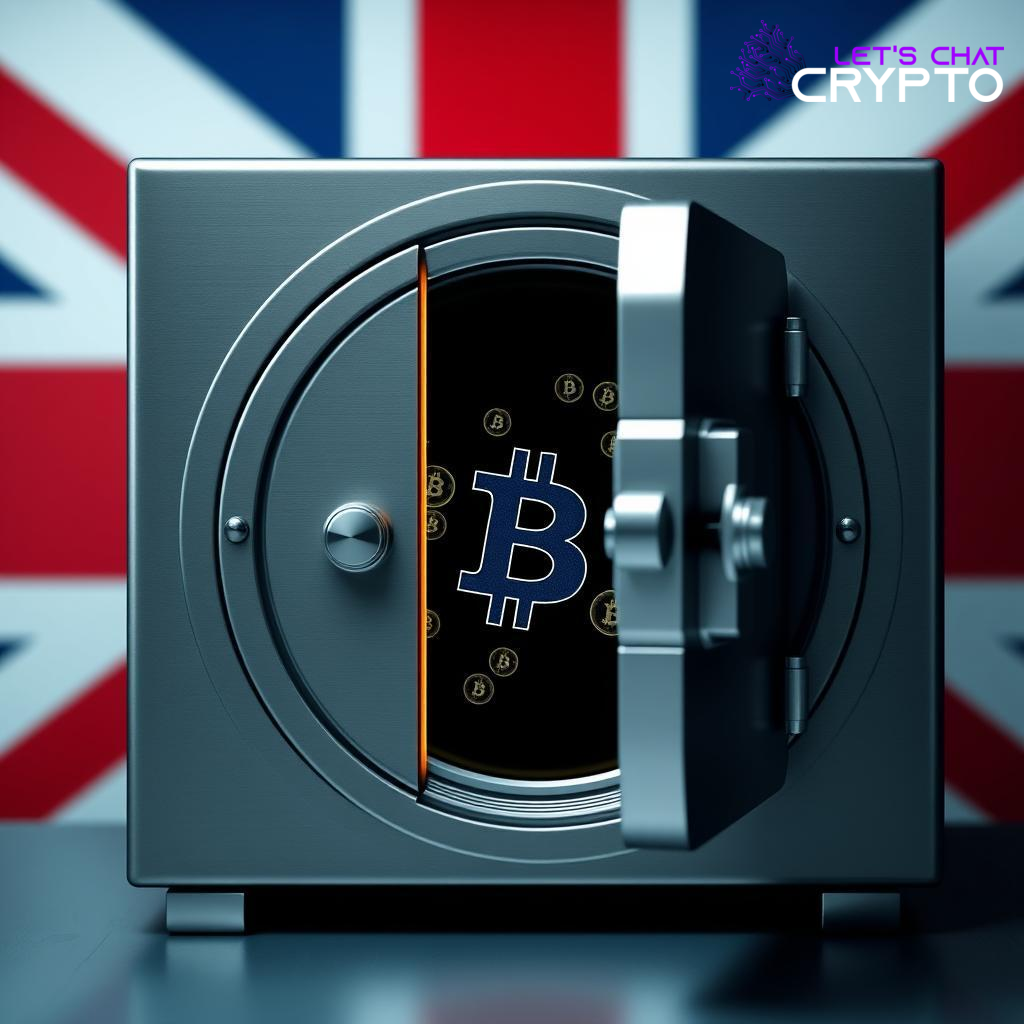
The UK's Financial Conduct Authority (FCA) has initiated discussions regarding a potential policy shift that could permit retail-focused investment funds to allocate up to 10% of their portfolios to crypto assets. This proposition signals a pragmatic approach by the regulator to integrate digital assets into mainstream finance, provided such exposure aligns explicitly with the fund's "disclosed investment objectives." The move underscores a growing recognition of cryptocurrency's evolving role in the global financial ecosystem, while simultaneously emphasizing the paramount importance of investor protection.
FCA's Consultative Stance
The FCA's exploration into this area is rooted in a broader consultation aimed at modernizing the UK's regulatory framework for asset management. The idea of a 10% crypto allocation for retail funds, though a significant departure from previous cautious stances, is framed within stringent conditions. Funds would be required to transparently communicate their intentions and risks associated with crypto investments to their clients. This includes a clear articulation within their investment objectives and a robust risk management framework to safeguard retail investors from the inherent volatility and complexities of the crypto market.
This initiative reflects a nuanced understanding from the regulator that outright prohibition might stifle innovation and push retail investors towards unregulated, riskier avenues. Instead, by providing a regulated pathway, the FCA aims to introduce a controlled environment for exposure, enabling investors to participate in the digital asset space with a degree of oversight and transparency.
Implications for Retail Investors and the Market
Should this proposal materialize, it would represent a pivotal moment for retail investors in the UK, offering them indirect access to cryptocurrencies through regulated investment vehicles. This could potentially democratize access to digital assets, traditionally more accessible to institutional or sophisticated investors, albeit within prescribed limits.
For the broader market, allowing regulated funds to hold crypto could lead to increased institutional interest and liquidity in the UK's digital asset sector. Fund managers would need to develop expertise in crypto asset selection, custody solutions, and risk modeling. However, the proposal also comes with inherent challenges, including the complexities of valuing illiquid crypto assets, managing cybersecurity risks, and ensuring compliance with evolving anti-money laundering (AML) and counter-terrorist financing (CTF) regulations.
Summary
The FCA's deliberation on allowing up to 10% crypto allocations for retail funds marks a significant step towards regulatory accommodation of digital assets in the UK. It represents a careful balancing act: fostering financial innovation and offering new investment opportunities, while maintaining a firm commitment to consumer protection through transparency and rigorous risk management. The ultimate implementation of such a policy will depend on the outcomes of ongoing consultations and the regulator's assessment of market readiness and investor safeguards.
Resources
- Financial Conduct Authority (FCA) Official Consultations
- City A.M.
- Reuters
Details
Author
Top articles





 }})
You can now watch HBO Max for $10
Latest articles





You can now watch HBO Max for $10
Introduction
The UK's Financial Conduct Authority (FCA) has initiated discussions regarding a potential policy shift that could permit retail-focused investment funds to allocate up to 10% of their portfolios to crypto assets. This proposition signals a pragmatic approach by the regulator to integrate digital assets into mainstream finance, provided such exposure aligns explicitly with the fund's "disclosed investment objectives." The move underscores a growing recognition of cryptocurrency's evolving role in the global financial ecosystem, while simultaneously emphasizing the paramount importance of investor protection.
FCA's Consultative Stance
The FCA's exploration into this area is rooted in a broader consultation aimed at modernizing the UK's regulatory framework for asset management. The idea of a 10% crypto allocation for retail funds, though a significant departure from previous cautious stances, is framed within stringent conditions. Funds would be required to transparently communicate their intentions and risks associated with crypto investments to their clients. This includes a clear articulation within their investment objectives and a robust risk management framework to safeguard retail investors from the inherent volatility and complexities of the crypto market.
This initiative reflects a nuanced understanding from the regulator that outright prohibition might stifle innovation and push retail investors towards unregulated, riskier avenues. Instead, by providing a regulated pathway, the FCA aims to introduce a controlled environment for exposure, enabling investors to participate in the digital asset space with a degree of oversight and transparency.
Implications for Retail Investors and the Market
Should this proposal materialize, it would represent a pivotal moment for retail investors in the UK, offering them indirect access to cryptocurrencies through regulated investment vehicles. This could potentially democratize access to digital assets, traditionally more accessible to institutional or sophisticated investors, albeit within prescribed limits.
For the broader market, allowing regulated funds to hold crypto could lead to increased institutional interest and liquidity in the UK's digital asset sector. Fund managers would need to develop expertise in crypto asset selection, custody solutions, and risk modeling. However, the proposal also comes with inherent challenges, including the complexities of valuing illiquid crypto assets, managing cybersecurity risks, and ensuring compliance with evolving anti-money laundering (AML) and counter-terrorist financing (CTF) regulations.
Summary
The FCA's deliberation on allowing up to 10% crypto allocations for retail funds marks a significant step towards regulatory accommodation of digital assets in the UK. It represents a careful balancing act: fostering financial innovation and offering new investment opportunities, while maintaining a firm commitment to consumer protection through transparency and rigorous risk management. The ultimate implementation of such a policy will depend on the outcomes of ongoing consultations and the regulator's assessment of market readiness and investor safeguards.
Resources
- Financial Conduct Authority (FCA) Official Consultations
- City A.M.
- Reuters
Top articles
You can now watch HBO Max for $10
Latest articles
You can now watch HBO Max for $10
Similar posts




This is a page that only logged-in people can visit. Don't you feel special? Try clicking on a button below to do some things you can't do when you're logged out.
Example modal
At your leisure, please peruse this excerpt from a whale of a tale.
Chapter 1: Loomings.
Call me Ishmael. Some years ago—never mind how long precisely—having little or no money in my purse, and nothing particular to interest me on shore, I thought I would sail about a little and see the watery part of the world. It is a way I have of driving off the spleen and regulating the circulation. Whenever I find myself growing grim about the mouth; whenever it is a damp, drizzly November in my soul; whenever I find myself involuntarily pausing before coffin warehouses, and bringing up the rear of every funeral I meet; and especially whenever my hypos get such an upper hand of me, that it requires a strong moral principle to prevent me from deliberately stepping into the street, and methodically knocking people's hats off—then, I account it high time to get to sea as soon as I can. This is my substitute for pistol and ball. With a philosophical flourish Cato throws himself upon his sword; I quietly take to the ship. There is nothing surprising in this. If they but knew it, almost all men in their degree, some time or other, cherish very nearly the same feelings towards the ocean with me.
Comment