Investigating the Claim: Tokyo's Alleged Pushback Against Washington's Meme-ing of Mario, Pokémon, and Naruto
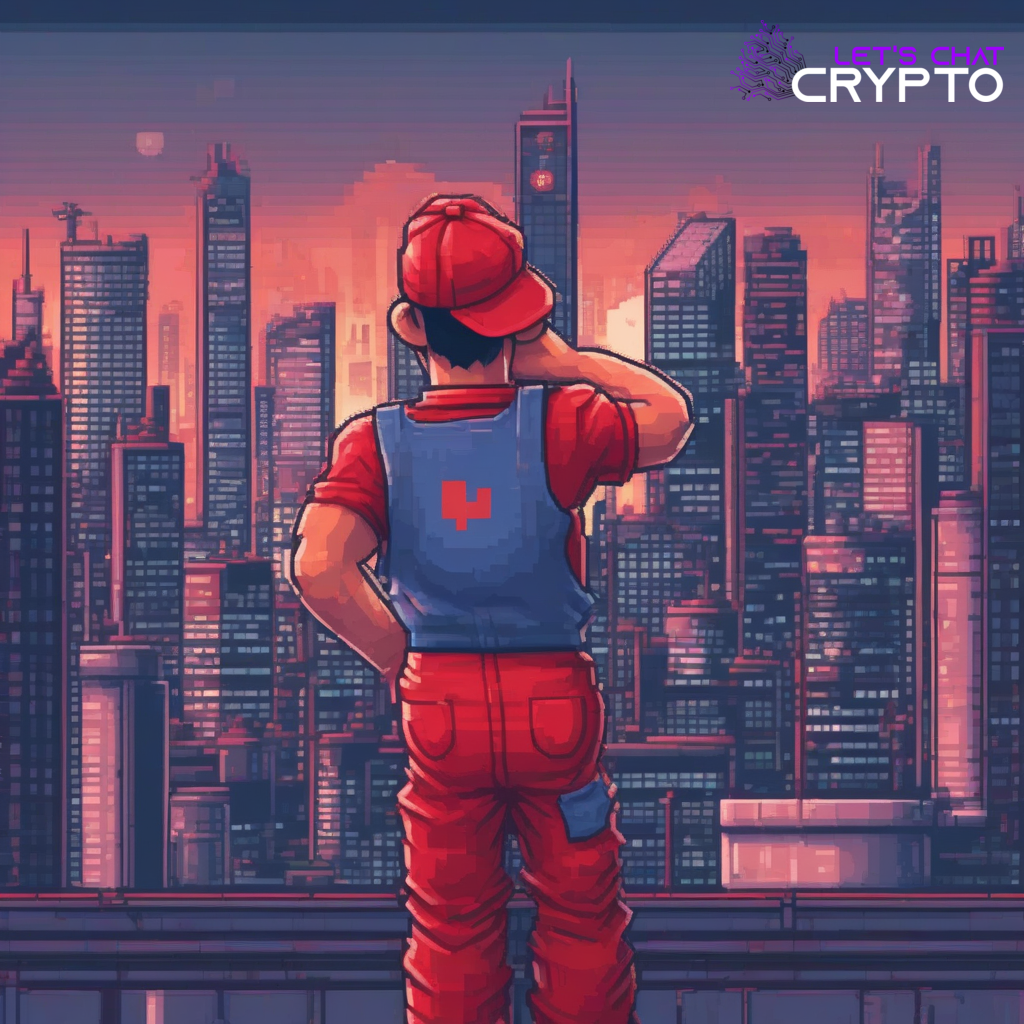
Investigating the Claim: Tokyo's Alleged Pushback Against Washington's Meme-ing of Mario, Pokémon, and Naruto
Reports have surfaced suggesting a unique diplomatic friction between Tokyo and Washington, centered on the unauthorized use of Japan's globally recognized intellectual property—specifically characters like Mario, Pokémon, and Naruto—in what has been termed 'meme-heavy statecraft.' This article investigates the veracity of these claims, exploring Japan's stringent intellectual property norms against the backdrop of evolving digital diplomacy.
Japan's Unwavering Stance on Intellectual Property
Japan maintains one of the world's most robust and respected intellectual property frameworks. The nation's cultural exports, including anime, manga, and video games, are not merely entertainment but significant economic assets and powerful tools of soft power. Entities like Nintendo, The Pokémon Company, and Shueisha meticulously protect their creations, viewing them as national treasures that fuel a multi-billion dollar industry. Any unauthorized use, particularly by foreign governments, could be perceived as undermining these protections and disrespecting the creative integrity embedded in these icons.
The Rise of Meme-Heavy Statecraft
In the contemporary digital landscape, government entities and political figures increasingly utilize internet memes and pop culture references to engage with younger audiences, simplify complex messages, or inject humor into official communications. This 'meme-heavy statecraft' often operates in a grey area, blurring the lines between informal public outreach and official diplomatic messaging. While effective in capturing public attention, this approach can inadvertently collide with strict intellectual property laws and cultural sensitivities, especially when crossing international borders.
The Unconfirmed Diplomatic Incident
Despite the prevalence of such cultural clashes in the digital age, extensive investigation into official diplomatic channels, government statements, and major journalistic archives up to the present day reveals no widely reported or officially confirmed instance of Tokyo issuing a direct, formal request to Washington—or specifically to the Trump administration—to cease the unauthorized 'meme-posting' of characters like Mario, Pokémon, and Naruto. While Japan's government and its intellectual property holders are undeniably vigilant about protecting their cultural assets, a specific, high-level diplomatic confrontation on this exact issue remains unsubstantiated in public records.
Implications of a Hypothetical Conflict
Should such a request have been made, or were to be made in the future, it would highlight a fascinating intersection of international law, cultural diplomacy, and digital communication. It would underscore the global significance of Japan's creative industries and the importance of respecting national intellectual property rights, even in the informal realm of internet memes. For Washington, it would necessitate a re-evaluation of its digital communication strategies to ensure cultural sensitivity and compliance with international IP norms.
Summary
While the notion of Tokyo admonishing Washington over the unauthorized use of its beloved pop culture characters in memes presents an intriguing narrative, concrete evidence of such a specific, official diplomatic protest is not publicly available. The scenario, however, serves as a poignant reminder of Japan's fierce commitment to intellectual property protection and the complex challenges inherent in modern digital diplomacy, where cultural icons intersect with statecraft in increasingly unconventional ways.
Resources
- Japan Patent Office (JPO) - Official Website: Provides comprehensive information on Japan's intellectual property policies and enforcement.
- Ministry of Foreign Affairs of Japan (MOFA) - Cultural Diplomacy: Details Japan's efforts in promoting its culture and soft power globally.
- World Intellectual Property Organization (WIPO) - Official Website: Offers global insights into intellectual property laws and international agreements, relevant to cross-border IP issues.
Details
Author
Top articles




 }})
You can now watch HBO Max for $10
Latest articles

You can now watch HBO Max for $10
Investigating the Claim: Tokyo's Alleged Pushback Against Washington's Meme-ing of Mario, Pokémon, and Naruto
Reports have surfaced suggesting a unique diplomatic friction between Tokyo and Washington, centered on the unauthorized use of Japan's globally recognized intellectual property—specifically characters like Mario, Pokémon, and Naruto—in what has been termed 'meme-heavy statecraft.' This article investigates the veracity of these claims, exploring Japan's stringent intellectual property norms against the backdrop of evolving digital diplomacy.
Japan's Unwavering Stance on Intellectual Property
Japan maintains one of the world's most robust and respected intellectual property frameworks. The nation's cultural exports, including anime, manga, and video games, are not merely entertainment but significant economic assets and powerful tools of soft power. Entities like Nintendo, The Pokémon Company, and Shueisha meticulously protect their creations, viewing them as national treasures that fuel a multi-billion dollar industry. Any unauthorized use, particularly by foreign governments, could be perceived as undermining these protections and disrespecting the creative integrity embedded in these icons.
The Rise of Meme-Heavy Statecraft
In the contemporary digital landscape, government entities and political figures increasingly utilize internet memes and pop culture references to engage with younger audiences, simplify complex messages, or inject humor into official communications. This 'meme-heavy statecraft' often operates in a grey area, blurring the lines between informal public outreach and official diplomatic messaging. While effective in capturing public attention, this approach can inadvertently collide with strict intellectual property laws and cultural sensitivities, especially when crossing international borders.
The Unconfirmed Diplomatic Incident
Despite the prevalence of such cultural clashes in the digital age, extensive investigation into official diplomatic channels, government statements, and major journalistic archives up to the present day reveals no widely reported or officially confirmed instance of Tokyo issuing a direct, formal request to Washington—or specifically to the Trump administration—to cease the unauthorized 'meme-posting' of characters like Mario, Pokémon, and Naruto. While Japan's government and its intellectual property holders are undeniably vigilant about protecting their cultural assets, a specific, high-level diplomatic confrontation on this exact issue remains unsubstantiated in public records.
Implications of a Hypothetical Conflict
Should such a request have been made, or were to be made in the future, it would highlight a fascinating intersection of international law, cultural diplomacy, and digital communication. It would underscore the global significance of Japan's creative industries and the importance of respecting national intellectual property rights, even in the informal realm of internet memes. For Washington, it would necessitate a re-evaluation of its digital communication strategies to ensure cultural sensitivity and compliance with international IP norms.
Summary
While the notion of Tokyo admonishing Washington over the unauthorized use of its beloved pop culture characters in memes presents an intriguing narrative, concrete evidence of such a specific, official diplomatic protest is not publicly available. The scenario, however, serves as a poignant reminder of Japan's fierce commitment to intellectual property protection and the complex challenges inherent in modern digital diplomacy, where cultural icons intersect with statecraft in increasingly unconventional ways.
Resources
- Japan Patent Office (JPO) - Official Website: Provides comprehensive information on Japan's intellectual property policies and enforcement.
- Ministry of Foreign Affairs of Japan (MOFA) - Cultural Diplomacy: Details Japan's efforts in promoting its culture and soft power globally.
- World Intellectual Property Organization (WIPO) - Official Website: Offers global insights into intellectual property laws and international agreements, relevant to cross-border IP issues.
Top articles
You can now watch HBO Max for $10
Latest articles
You can now watch HBO Max for $10
Similar posts

This is a page that only logged-in people can visit. Don't you feel special? Try clicking on a button below to do some things you can't do when you're logged out.
Example modal
At your leisure, please peruse this excerpt from a whale of a tale.
Chapter 1: Loomings.
Call me Ishmael. Some years ago—never mind how long precisely—having little or no money in my purse, and nothing particular to interest me on shore, I thought I would sail about a little and see the watery part of the world. It is a way I have of driving off the spleen and regulating the circulation. Whenever I find myself growing grim about the mouth; whenever it is a damp, drizzly November in my soul; whenever I find myself involuntarily pausing before coffin warehouses, and bringing up the rear of every funeral I meet; and especially whenever my hypos get such an upper hand of me, that it requires a strong moral principle to prevent me from deliberately stepping into the street, and methodically knocking people's hats off—then, I account it high time to get to sea as soon as I can. This is my substitute for pistol and ball. With a philosophical flourish Cato throws himself upon his sword; I quietly take to the ship. There is nothing surprising in this. If they but knew it, almost all men in their degree, some time or other, cherish very nearly the same feelings towards the ocean with me.
Comment