Bitcoin Holds Below $65,000 Mark as Geopolitical Storm Brews in the Middle East
Geopolitical Tensions Cast Shadow on Crypto Markets
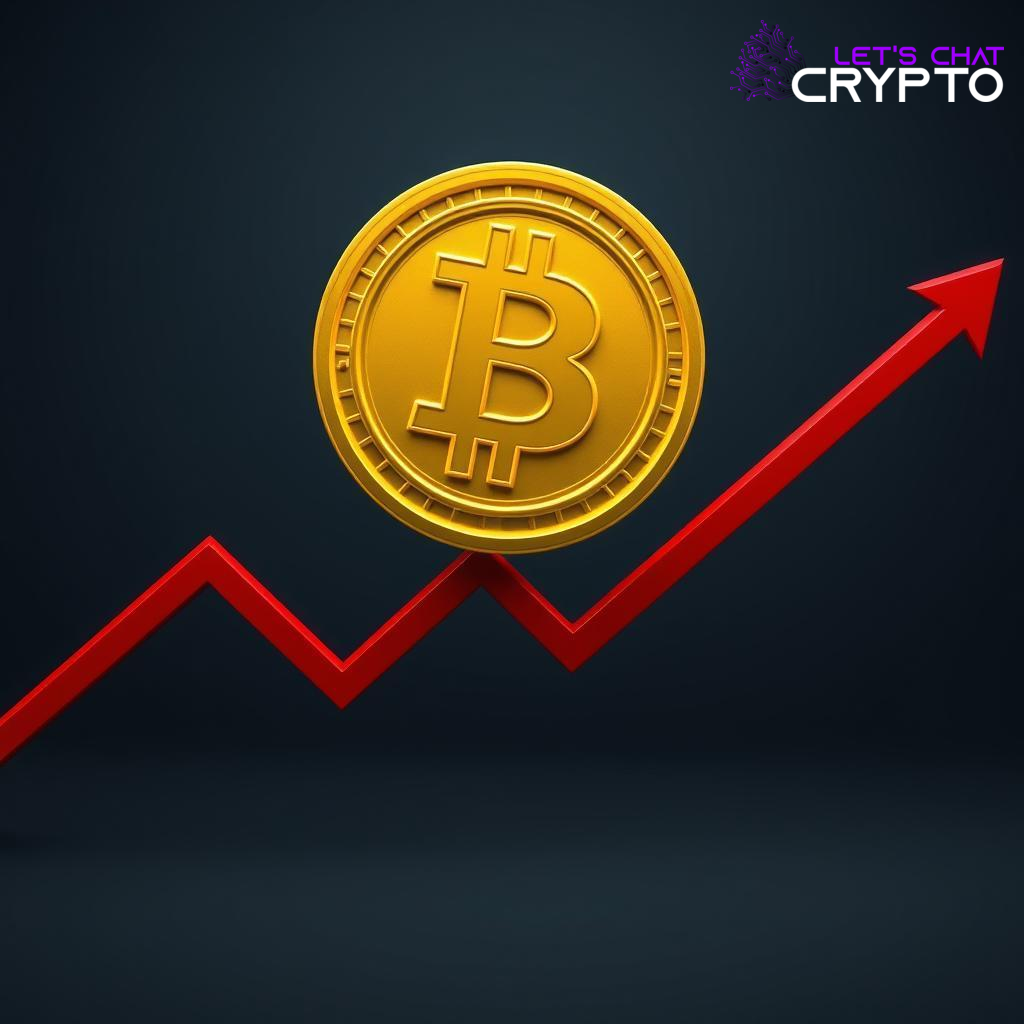
As the geopolitical landscape in the Middle East continues to intensify, global financial markets are reacting with heightened volatility. Bitcoin, the world's largest cryptocurrency, has remained tethered below the critical $65,000 threshold, reflecting an underlying caution among investors amidst escalating regional tensions. This trepidation in the crypto market runs parallel to significant movements in traditional commodities, particularly crude oil, which often serves as a barometer for global instability.
The latest flashpoint saw Brent crude futures climb above $83 a barrel. This surge was primarily triggered by recent attacks attributed to Yemen’s Iran-linked Houthis on key Saudi Arabian infrastructure. Such incidents underscore a deepening fragility in the region, directly impacting energy supply chains and, by extension, global economic stability. The intertwined nature of these events suggests that digital assets, despite their decentralized premise, are not immune to the ripple effects of international conflict.
The Interplay of Digital Assets and Geopolitics
Historically, Bitcoin has occasionally been perceived as a safe-haven asset, akin to gold, during periods of economic uncertainty or geopolitical unrest. However, its recent performance indicates a more nuanced reaction, where the immediate impact of regional conflicts often introduces selling pressure or leads to sideways trading as investors de-risk across various asset classes. The current climate suggests that while some might seek refuge in Bitcoin, a broader sentiment of caution prevails, preventing a decisive upward break.
Market analysts note that the confluence of rising energy costs—which feed into inflation concerns—and the broader implications of an unstable Middle East tend to dampen appetite for riskier assets. This includes cryptocurrencies, which, despite growing institutional adoption, are still largely viewed through a speculative lens by a significant portion of the investment community. The prevailing narrative is one where investors are prioritizing capital preservation, waiting for clearer signals from both the geopolitical arena and central bank policies.
Oil's Ascent and its Economic Repercussions
The upward trajectory of Brent crude is not merely a reflection of regional conflict but also carries substantial economic repercussions globally. Higher oil prices translate into increased input costs for businesses and higher prices at the pump for consumers, potentially exacerbating inflationary pressures. Central banks, already grappling with persistent inflation, face a delicate balancing act. The prospect of sustained high energy costs could complicate efforts to cut interest rates, further tightening monetary conditions and potentially stifling economic growth.
This environment of uncertainty around interest rates and inflation adds another layer of complexity for Bitcoin. A narrative of 'higher for longer' interest rates typically acts as a headwind for assets like cryptocurrencies that do not offer a yield. Therefore, the ongoing Middle East tensions, by driving up oil prices and thus influencing central bank policy, indirectly exert downward pressure or limit the upside potential for digital currencies.
Summary
The current market dynamics illustrate a strong correlation between escalating Middle East tensions and the performance of global assets, including Bitcoin. While Brent crude surges in response to direct attacks, signaling deepening regional instability, Bitcoin remains subdued, unable to break significantly above $65,000. This reflects a broader investor caution driven by geopolitical risks, potential inflationary pressures from rising oil prices, and the subsequent implications for global monetary policy. The digital asset market, while maturing, continues to navigate the complex interplay of traditional economic and geopolitical forces.
Resources
- Reuters: "Oil rises as Middle East tensions escalate further after Iran-backed Houthis attack Saudi Arabia"
- Bloomberg: "Bitcoin Stays Below $65,000 as Geopolitical Risks Weigh"
- Financial Times: "Middle East Conflict: How it Impacts Global Markets"
Details
Author
Top articles



 }})
You can now watch HBO Max for $10
Latest articles


You can now watch HBO Max for $10
Geopolitical Tensions Cast Shadow on Crypto Markets
As the geopolitical landscape in the Middle East continues to intensify, global financial markets are reacting with heightened volatility. Bitcoin, the world's largest cryptocurrency, has remained tethered below the critical $65,000 threshold, reflecting an underlying caution among investors amidst escalating regional tensions. This trepidation in the crypto market runs parallel to significant movements in traditional commodities, particularly crude oil, which often serves as a barometer for global instability.
The latest flashpoint saw Brent crude futures climb above $83 a barrel. This surge was primarily triggered by recent attacks attributed to Yemen’s Iran-linked Houthis on key Saudi Arabian infrastructure. Such incidents underscore a deepening fragility in the region, directly impacting energy supply chains and, by extension, global economic stability. The intertwined nature of these events suggests that digital assets, despite their decentralized premise, are not immune to the ripple effects of international conflict.
The Interplay of Digital Assets and Geopolitics
Historically, Bitcoin has occasionally been perceived as a safe-haven asset, akin to gold, during periods of economic uncertainty or geopolitical unrest. However, its recent performance indicates a more nuanced reaction, where the immediate impact of regional conflicts often introduces selling pressure or leads to sideways trading as investors de-risk across various asset classes. The current climate suggests that while some might seek refuge in Bitcoin, a broader sentiment of caution prevails, preventing a decisive upward break.
Market analysts note that the confluence of rising energy costs—which feed into inflation concerns—and the broader implications of an unstable Middle East tend to dampen appetite for riskier assets. This includes cryptocurrencies, which, despite growing institutional adoption, are still largely viewed through a speculative lens by a significant portion of the investment community. The prevailing narrative is one where investors are prioritizing capital preservation, waiting for clearer signals from both the geopolitical arena and central bank policies.
Oil's Ascent and its Economic Repercussions
The upward trajectory of Brent crude is not merely a reflection of regional conflict but also carries substantial economic repercussions globally. Higher oil prices translate into increased input costs for businesses and higher prices at the pump for consumers, potentially exacerbating inflationary pressures. Central banks, already grappling with persistent inflation, face a delicate balancing act. The prospect of sustained high energy costs could complicate efforts to cut interest rates, further tightening monetary conditions and potentially stifling economic growth.
This environment of uncertainty around interest rates and inflation adds another layer of complexity for Bitcoin. A narrative of 'higher for longer' interest rates typically acts as a headwind for assets like cryptocurrencies that do not offer a yield. Therefore, the ongoing Middle East tensions, by driving up oil prices and thus influencing central bank policy, indirectly exert downward pressure or limit the upside potential for digital currencies.
Summary
The current market dynamics illustrate a strong correlation between escalating Middle East tensions and the performance of global assets, including Bitcoin. While Brent crude surges in response to direct attacks, signaling deepening regional instability, Bitcoin remains subdued, unable to break significantly above $65,000. This reflects a broader investor caution driven by geopolitical risks, potential inflationary pressures from rising oil prices, and the subsequent implications for global monetary policy. The digital asset market, while maturing, continues to navigate the complex interplay of traditional economic and geopolitical forces.
Resources
- Reuters: "Oil rises as Middle East tensions escalate further after Iran-backed Houthis attack Saudi Arabia"
- Bloomberg: "Bitcoin Stays Below $65,000 as Geopolitical Risks Weigh"
- Financial Times: "Middle East Conflict: How it Impacts Global Markets"
Top articles
You can now watch HBO Max for $10
Latest articles
You can now watch HBO Max for $10
Similar posts

This is a page that only logged-in people can visit. Don't you feel special? Try clicking on a button below to do some things you can't do when you're logged out.
Example modal
At your leisure, please peruse this excerpt from a whale of a tale.
Chapter 1: Loomings.
Call me Ishmael. Some years ago—never mind how long precisely—having little or no money in my purse, and nothing particular to interest me on shore, I thought I would sail about a little and see the watery part of the world. It is a way I have of driving off the spleen and regulating the circulation. Whenever I find myself growing grim about the mouth; whenever it is a damp, drizzly November in my soul; whenever I find myself involuntarily pausing before coffin warehouses, and bringing up the rear of every funeral I meet; and especially whenever my hypos get such an upper hand of me, that it requires a strong moral principle to prevent me from deliberately stepping into the street, and methodically knocking people's hats off—then, I account it high time to get to sea as soon as I can. This is my substitute for pistol and ball. With a philosophical flourish Cato throws himself upon his sword; I quietly take to the ship. There is nothing surprising in this. If they but knew it, almost all men in their degree, some time or other, cherish very nearly the same feelings towards the ocean with me.
Comment