tBTC Bridge Partially Restores Services Amidst Lingering $120M Aave Reserve Freeze Post-Linux Vulnerability Fix

Decentralized Bridges Face Renewed Scrutiny Following Critical Vulnerability and Partial Resumption
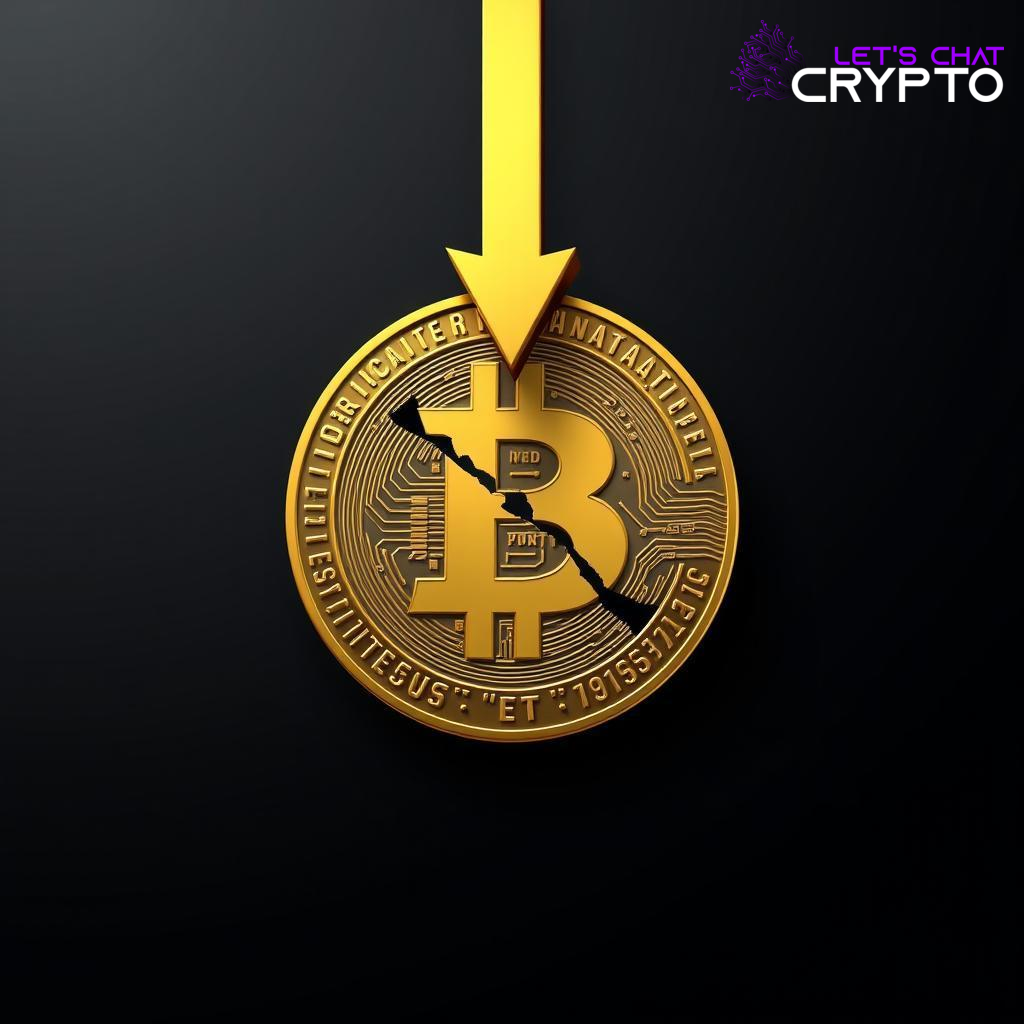
The tBTC bridge, a crucial component in the decentralized finance (DeFi) ecosystem, has partially resumed its operations following a critical halt on October 30. The suspension was a necessary measure by Threshold Network operators to address a severe Linux kernel vulnerability (CVE-2023-4911) that posed a significant risk, potentially allowing remote code execution on unpatched servers. This incident underscores the persistent security challenges within the blockchain infrastructure, even as efforts are made to enhance resilience.
Threshold's Proactive Halt and Technical Remediation
Threshold Network, the entity behind the tBTC bridge, took decisive action by temporarily halting the bridge to mitigate potential exploitation of the "Looney Tunables" vulnerability. This flaw could have compromised the underlying infrastructure supporting the bridge, leading to devastating consequences for user funds. The proactive approach by Threshold allowed operators to apply necessary patches and conduct thorough security assessments before cautiously re-enabling services. While the immediate threat has been addressed, the incident serves as a stark reminder of the sophisticated and evolving nature of cyber threats in the blockchain space.
Aave’s $120 Million Reserve Remains Inactive
Despite the partial resumption of the tBTC bridge, a significant collateral reserve on the Aave lending protocol, estimated at approximately $120 million, remains frozen. These funds, primarily in tBTC, became inaccessible following the initial bridge halt, impacting liquidity and user accessibility. The continued inaccessibility highlights the cascading effects of infrastructure-level vulnerabilities on interconnected DeFi protocols. While Aave’s protocol itself was not directly exploited, its reliance on external bridges like tBTC means that issues originating elsewhere can critically impair its functionality and user experience. The unfreezing of these assets is contingent upon the full and secure operational status of the tBTC bridge and potentially further assessments by the Aave governance community.
Broader Implications for Cross-Chain Interoperability
The tBTC incident and its repercussions extend beyond the immediate technical fix and asset status. It casts a spotlight on the inherent risks associated with cross-chain interoperability solutions, which are vital for the growth and scalability of the multi-chain ecosystem. The reliance on external software components and infrastructure introduces points of failure that demand continuous vigilance and robust incident response frameworks. As the industry moves towards greater interconnectedness, the development of more resilient, fault-tolerant, and rapidly patchable systems will be paramount to safeguarding billions in user assets and maintaining trust in decentralized technologies.
Summary
The partial re-activation of the tBTC bridge marks a cautious step forward after a critical Linux kernel vulnerability forced its shutdown. While the immediate technical threat appears managed, the continued freeze of $120 million in tBTC collateral on Aave underscores the complex and interconnected vulnerabilities within the DeFi landscape. This event emphasizes the critical need for continuous security audits, rapid incident response, and robust infrastructure resilience to protect digital assets and maintain the integrity of decentralized finance.
Resources
- CoinDesk
- The Block
- Threshold Network Official Communications
Details
Author
Top articles




 }})
You can now watch HBO Max for $10
Latest articles



You can now watch HBO Max for $10
Decentralized Bridges Face Renewed Scrutiny Following Critical Vulnerability and Partial Resumption
The tBTC bridge, a crucial component in the decentralized finance (DeFi) ecosystem, has partially resumed its operations following a critical halt on October 30. The suspension was a necessary measure by Threshold Network operators to address a severe Linux kernel vulnerability (CVE-2023-4911) that posed a significant risk, potentially allowing remote code execution on unpatched servers. This incident underscores the persistent security challenges within the blockchain infrastructure, even as efforts are made to enhance resilience.
Threshold's Proactive Halt and Technical Remediation
Threshold Network, the entity behind the tBTC bridge, took decisive action by temporarily halting the bridge to mitigate potential exploitation of the "Looney Tunables" vulnerability. This flaw could have compromised the underlying infrastructure supporting the bridge, leading to devastating consequences for user funds. The proactive approach by Threshold allowed operators to apply necessary patches and conduct thorough security assessments before cautiously re-enabling services. While the immediate threat has been addressed, the incident serves as a stark reminder of the sophisticated and evolving nature of cyber threats in the blockchain space.
Aave’s $120 Million Reserve Remains Inactive
Despite the partial resumption of the tBTC bridge, a significant collateral reserve on the Aave lending protocol, estimated at approximately $120 million, remains frozen. These funds, primarily in tBTC, became inaccessible following the initial bridge halt, impacting liquidity and user accessibility. The continued inaccessibility highlights the cascading effects of infrastructure-level vulnerabilities on interconnected DeFi protocols. While Aave’s protocol itself was not directly exploited, its reliance on external bridges like tBTC means that issues originating elsewhere can critically impair its functionality and user experience. The unfreezing of these assets is contingent upon the full and secure operational status of the tBTC bridge and potentially further assessments by the Aave governance community.
Broader Implications for Cross-Chain Interoperability
The tBTC incident and its repercussions extend beyond the immediate technical fix and asset status. It casts a spotlight on the inherent risks associated with cross-chain interoperability solutions, which are vital for the growth and scalability of the multi-chain ecosystem. The reliance on external software components and infrastructure introduces points of failure that demand continuous vigilance and robust incident response frameworks. As the industry moves towards greater interconnectedness, the development of more resilient, fault-tolerant, and rapidly patchable systems will be paramount to safeguarding billions in user assets and maintaining trust in decentralized technologies.
Summary
The partial re-activation of the tBTC bridge marks a cautious step forward after a critical Linux kernel vulnerability forced its shutdown. While the immediate technical threat appears managed, the continued freeze of $120 million in tBTC collateral on Aave underscores the complex and interconnected vulnerabilities within the DeFi landscape. This event emphasizes the critical need for continuous security audits, rapid incident response, and robust infrastructure resilience to protect digital assets and maintain the integrity of decentralized finance.
Resources
- CoinDesk
- The Block
- Threshold Network Official Communications
Top articles
You can now watch HBO Max for $10
Latest articles
You can now watch HBO Max for $10
Similar posts


This is a page that only logged-in people can visit. Don't you feel special? Try clicking on a button below to do some things you can't do when you're logged out.
Example modal
At your leisure, please peruse this excerpt from a whale of a tale.
Chapter 1: Loomings.
Call me Ishmael. Some years ago—never mind how long precisely—having little or no money in my purse, and nothing particular to interest me on shore, I thought I would sail about a little and see the watery part of the world. It is a way I have of driving off the spleen and regulating the circulation. Whenever I find myself growing grim about the mouth; whenever it is a damp, drizzly November in my soul; whenever I find myself involuntarily pausing before coffin warehouses, and bringing up the rear of every funeral I meet; and especially whenever my hypos get such an upper hand of me, that it requires a strong moral principle to prevent me from deliberately stepping into the street, and methodically knocking people's hats off—then, I account it high time to get to sea as soon as I can. This is my substitute for pistol and ball. With a philosophical flourish Cato throws himself upon his sword; I quietly take to the ship. There is nothing surprising in this. If they but knew it, almost all men in their degree, some time or other, cherish very nearly the same feelings towards the ocean with me.
Comment