The $100 Million Crypto PAC for Trump-Aligned Causes: A Promise Unfulfilled
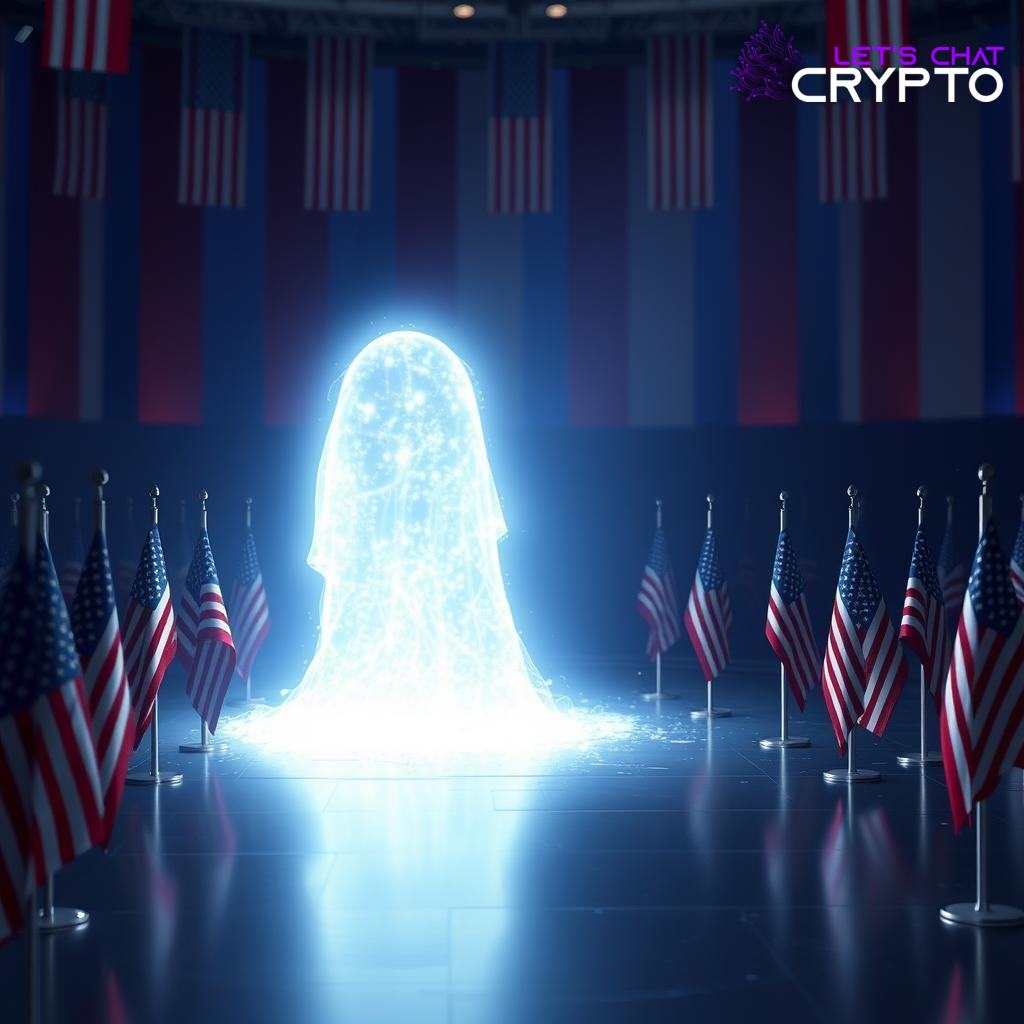
The Unseen War Chest: A $100 Million Crypto Political Fund That Never Appeared
In the realm of political fundraising, a $100 million commitment signals a significant force capable of swaying elections and shaping policy. Such a promise emerged early this year from "The Fellowship for American Renewal," a political action committee (PAC) reportedly focused on advancing pro-crypto candidates, often with a discernible lean towards Donald Trump and his allies. Yet, as the election cycle progresses, this substantial war chest remains largely unfunded and unspent, raising questions about the intersection of digital assets and traditional political power.
The Genesis of a Grand Vision
Reports in early 2024 detailed the formation of The Fellowship PAC, with ambitious plans to inject a staggering $100 million into the American political landscape. The narrative quickly tied the PAC to prominent figures within the cryptocurrency space, including entrepreneur Brock Pierce, and crucially, rumors suggested a potential backing from Tether, the issuer of the world's largest stablecoin, USDT. The intent was clear: to mobilize the burgeoning crypto community's financial power in support of candidates sympathetic to blockchain technology and digital asset innovation, often interpreting this through a lens aligned with the former President's political movement.
The Discrepancy: Promise Versus Reality
Despite the grand pronouncements, the tangible impact of The Fellowship PAC has been negligible. Investigations into Federal Election Commission (FEC) filings, which publicly track political donations and expenditures, have revealed a stark contrast between the promised $100 million and actual activity. As of current reports, the PAC has not reported the significant financial inflows or outflows commensurate with its stated goal. This operational silence stands in sharp relief against the initial fanfare, leaving many observers to question the ultimate veracity of the original pledge.
Tether's Position and Broader Implications
The rumored involvement of Tether as a principal backer added a layer of intrigue and controversy to The Fellowship PAC's story. Tether, however, has consistently distanced itself from direct political campaign funding, reiterating its corporate focus on maintaining the stability and integrity of its stablecoin operations. While the company has engaged with policy makers and industry groups, its official stance has been one of non-partisanship in direct electoral financing.
The failure of this high-profile crypto PAC to materialize as promised offers a salient lesson in the evolving relationship between cryptocurrency and political influence. It underscores the challenges of translating digital wealth into effective political capital within existing regulatory frameworks and highlights the potential for inflated claims in a nascent industry seeking mainstream legitimacy. The episode also prompts scrutiny into the due diligence surrounding such large-scale financial commitments within the political arena.
Summary
The Fellowship for American Renewal PAC's promise of a $100 million crypto-backed fund to support pro-Trump-aligned candidates has largely gone unfulfilled. Despite initial reports linking the initiative to major crypto entities like Tether, public records indicate minimal financial activity. This situation highlights a significant disconnect between ambitious announcements and concrete action in the cryptocurrency political lobbying space, raising questions about accountability and transparency.
Resources
- Bloomberg Law
- CoinDesk
- Federal Election Commission (FEC)
Details
Author
Top articles





 }})
You can now watch HBO Max for $10
Latest articles



You can now watch HBO Max for $10
The Unseen War Chest: A $100 Million Crypto Political Fund That Never Appeared
In the realm of political fundraising, a $100 million commitment signals a significant force capable of swaying elections and shaping policy. Such a promise emerged early this year from "The Fellowship for American Renewal," a political action committee (PAC) reportedly focused on advancing pro-crypto candidates, often with a discernible lean towards Donald Trump and his allies. Yet, as the election cycle progresses, this substantial war chest remains largely unfunded and unspent, raising questions about the intersection of digital assets and traditional political power.
The Genesis of a Grand Vision
Reports in early 2024 detailed the formation of The Fellowship PAC, with ambitious plans to inject a staggering $100 million into the American political landscape. The narrative quickly tied the PAC to prominent figures within the cryptocurrency space, including entrepreneur Brock Pierce, and crucially, rumors suggested a potential backing from Tether, the issuer of the world's largest stablecoin, USDT. The intent was clear: to mobilize the burgeoning crypto community's financial power in support of candidates sympathetic to blockchain technology and digital asset innovation, often interpreting this through a lens aligned with the former President's political movement.
The Discrepancy: Promise Versus Reality
Despite the grand pronouncements, the tangible impact of The Fellowship PAC has been negligible. Investigations into Federal Election Commission (FEC) filings, which publicly track political donations and expenditures, have revealed a stark contrast between the promised $100 million and actual activity. As of current reports, the PAC has not reported the significant financial inflows or outflows commensurate with its stated goal. This operational silence stands in sharp relief against the initial fanfare, leaving many observers to question the ultimate veracity of the original pledge.
Tether's Position and Broader Implications
The rumored involvement of Tether as a principal backer added a layer of intrigue and controversy to The Fellowship PAC's story. Tether, however, has consistently distanced itself from direct political campaign funding, reiterating its corporate focus on maintaining the stability and integrity of its stablecoin operations. While the company has engaged with policy makers and industry groups, its official stance has been one of non-partisanship in direct electoral financing.
The failure of this high-profile crypto PAC to materialize as promised offers a salient lesson in the evolving relationship between cryptocurrency and political influence. It underscores the challenges of translating digital wealth into effective political capital within existing regulatory frameworks and highlights the potential for inflated claims in a nascent industry seeking mainstream legitimacy. The episode also prompts scrutiny into the due diligence surrounding such large-scale financial commitments within the political arena.
Summary
The Fellowship for American Renewal PAC's promise of a $100 million crypto-backed fund to support pro-Trump-aligned candidates has largely gone unfulfilled. Despite initial reports linking the initiative to major crypto entities like Tether, public records indicate minimal financial activity. This situation highlights a significant disconnect between ambitious announcements and concrete action in the cryptocurrency political lobbying space, raising questions about accountability and transparency.
Resources
- Bloomberg Law
- CoinDesk
- Federal Election Commission (FEC)
Top articles
You can now watch HBO Max for $10
Latest articles
You can now watch HBO Max for $10
Similar posts




This is a page that only logged-in people can visit. Don't you feel special? Try clicking on a button below to do some things you can't do when you're logged out.
Example modal
At your leisure, please peruse this excerpt from a whale of a tale.
Chapter 1: Loomings.
Call me Ishmael. Some years ago—never mind how long precisely—having little or no money in my purse, and nothing particular to interest me on shore, I thought I would sail about a little and see the watery part of the world. It is a way I have of driving off the spleen and regulating the circulation. Whenever I find myself growing grim about the mouth; whenever it is a damp, drizzly November in my soul; whenever I find myself involuntarily pausing before coffin warehouses, and bringing up the rear of every funeral I meet; and especially whenever my hypos get such an upper hand of me, that it requires a strong moral principle to prevent me from deliberately stepping into the street, and methodically knocking people's hats off—then, I account it high time to get to sea as soon as I can. This is my substitute for pistol and ball. With a philosophical flourish Cato throws himself upon his sword; I quietly take to the ship. There is nothing surprising in this. If they but knew it, almost all men in their degree, some time or other, cherish very nearly the same feelings towards the ocean with me.
Comment