MoonPay Fortifies Crypto Transactions: AI Agents Now Ledger-Secured to Mitigate Private Key Vulnerabilities
Introduction
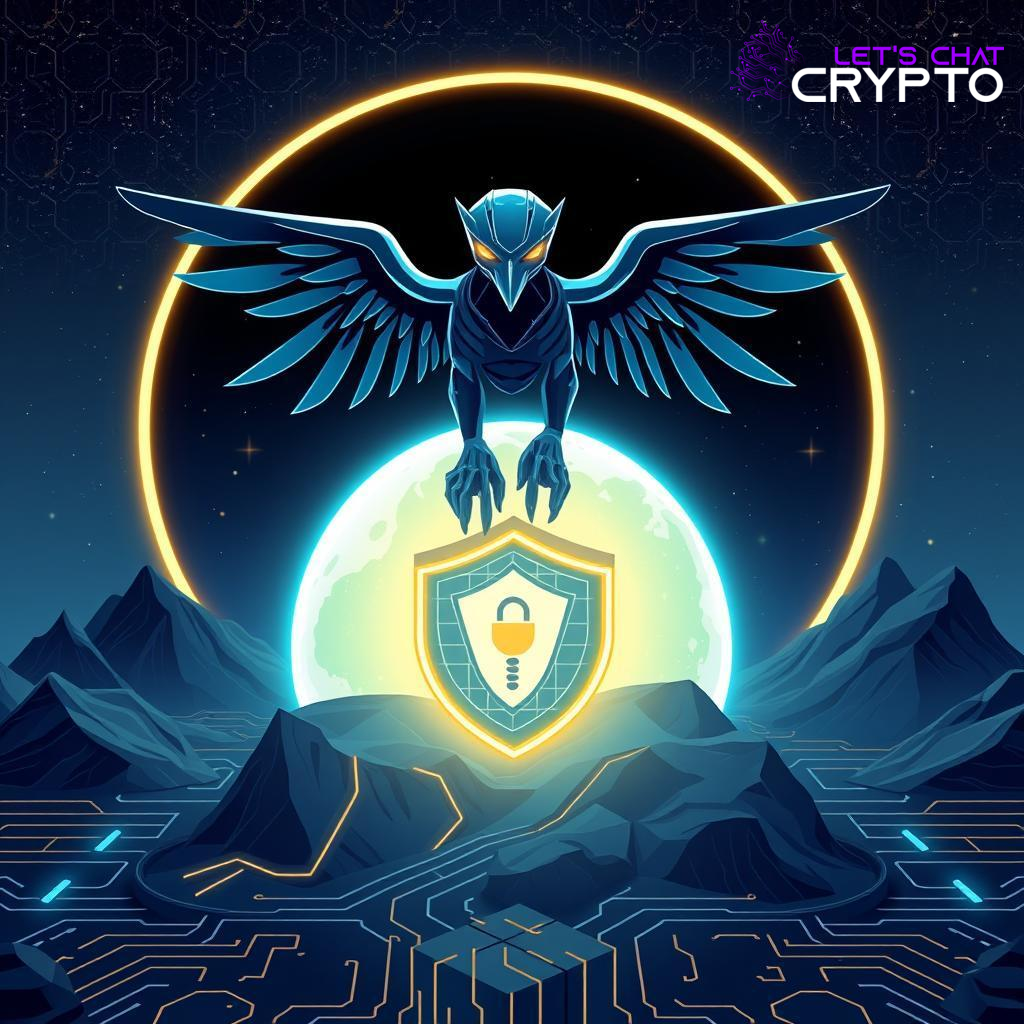
In a significant advancement for digital asset security, MoonPay, a leading Web3 infrastructure provider, has announced the integration of Ledger hardware security with its emerging AI crypto agents. This strategic move aims to directly confront one of the most persistent vulnerabilities in the cryptocurrency ecosystem: the exposure and compromise of private wallet keys. By mandating physical hardware verification for all AI-generated transactions, MoonPay is setting a new benchmark for secure and user-friendly interaction with automated financial tools.
Addressing Wallet Key Risks with AI and Hardware Security
The proliferation of artificial intelligence in automating complex tasks within the Web3 space presents both immense opportunities and novel security challenges. AI agents, designed to execute transactions, manage portfolios, or interact with decentralized applications, inherently require access to wallet functionalities. The traditional model often leaves private keys vulnerable to software exploits, phishing attacks, or insider threats if not managed with extreme caution. MoonPay's solution elegantly sidesteps these risks.
The core of this innovation lies in ensuring that private keys never depart from the secure confines of a Ledger hardware device. When an AI agent generates a transaction, instead of directly signing it, the request is routed to the user's Ledger hardware wallet. This necessitates a physical verification and approval by the user, transforming a potentially automated risk into a human-attested, secure action. This "human-in-the-loop" mechanism ensures that even if an AI agent were to be compromised or behave unexpectedly, no unauthorized transaction could be executed without the user's explicit, hardware-secured consent.
Impact on User Experience and Trust
This integration marks a critical evolution in balancing convenience with robust security. AI agents promise efficiency and automation, reducing the manual burden on users. However, without adequate safeguards, this convenience could come at the cost of control and security. By pairing AI's automation capabilities with Ledger's gold-standard hardware security, MoonPay offers users the best of both worlds: intelligent automation for their crypto activities backed by an impenetrable layer of private key protection.
The initiative is poised to significantly bolster user confidence in AI-driven crypto applications. It addresses head-on the inherent skepticism around entrusting financial control to automated systems by injecting a mandatory, tamper-proof verification step. This move could accelerate the adoption of AI agents within Web3, particularly for users prioritizing security above all else, thereby fostering greater trust and participation in the decentralized economy.
Summary
MoonPay's introduction of Ledger-secured AI crypto agents represents a pivotal step in securing the future of automated cryptocurrency interactions. By requiring physical hardware verification for every AI-generated transaction, the platform effectively mitigates the risks associated with private key exposure, ensuring that users maintain absolute control over their digital assets. This innovative approach merges the efficiency of AI with the unparalleled security of hardware wallets, setting a new standard for safety and trust in the evolving Web3 landscape.
Resources
- MoonPay Official Blog
- CoinDesk
- Ledger Official Website
Details
Author
Top articles




 }})
You can now watch HBO Max for $10
Latest articles



You can now watch HBO Max for $10
Introduction
In a significant advancement for digital asset security, MoonPay, a leading Web3 infrastructure provider, has announced the integration of Ledger hardware security with its emerging AI crypto agents. This strategic move aims to directly confront one of the most persistent vulnerabilities in the cryptocurrency ecosystem: the exposure and compromise of private wallet keys. By mandating physical hardware verification for all AI-generated transactions, MoonPay is setting a new benchmark for secure and user-friendly interaction with automated financial tools.
Addressing Wallet Key Risks with AI and Hardware Security
The proliferation of artificial intelligence in automating complex tasks within the Web3 space presents both immense opportunities and novel security challenges. AI agents, designed to execute transactions, manage portfolios, or interact with decentralized applications, inherently require access to wallet functionalities. The traditional model often leaves private keys vulnerable to software exploits, phishing attacks, or insider threats if not managed with extreme caution. MoonPay's solution elegantly sidesteps these risks.
The core of this innovation lies in ensuring that private keys never depart from the secure confines of a Ledger hardware device. When an AI agent generates a transaction, instead of directly signing it, the request is routed to the user's Ledger hardware wallet. This necessitates a physical verification and approval by the user, transforming a potentially automated risk into a human-attested, secure action. This "human-in-the-loop" mechanism ensures that even if an AI agent were to be compromised or behave unexpectedly, no unauthorized transaction could be executed without the user's explicit, hardware-secured consent.
Impact on User Experience and Trust
This integration marks a critical evolution in balancing convenience with robust security. AI agents promise efficiency and automation, reducing the manual burden on users. However, without adequate safeguards, this convenience could come at the cost of control and security. By pairing AI's automation capabilities with Ledger's gold-standard hardware security, MoonPay offers users the best of both worlds: intelligent automation for their crypto activities backed by an impenetrable layer of private key protection.
The initiative is poised to significantly bolster user confidence in AI-driven crypto applications. It addresses head-on the inherent skepticism around entrusting financial control to automated systems by injecting a mandatory, tamper-proof verification step. This move could accelerate the adoption of AI agents within Web3, particularly for users prioritizing security above all else, thereby fostering greater trust and participation in the decentralized economy.
Summary
MoonPay's introduction of Ledger-secured AI crypto agents represents a pivotal step in securing the future of automated cryptocurrency interactions. By requiring physical hardware verification for every AI-generated transaction, the platform effectively mitigates the risks associated with private key exposure, ensuring that users maintain absolute control over their digital assets. This innovative approach merges the efficiency of AI with the unparalleled security of hardware wallets, setting a new standard for safety and trust in the evolving Web3 landscape.
Resources
- MoonPay Official Blog
- CoinDesk
- Ledger Official Website
Top articles
You can now watch HBO Max for $10
Latest articles
You can now watch HBO Max for $10
Similar posts
This is a page that only logged-in people can visit. Don't you feel special? Try clicking on a button below to do some things you can't do when you're logged out.
Example modal
At your leisure, please peruse this excerpt from a whale of a tale.
Chapter 1: Loomings.
Call me Ishmael. Some years ago—never mind how long precisely—having little or no money in my purse, and nothing particular to interest me on shore, I thought I would sail about a little and see the watery part of the world. It is a way I have of driving off the spleen and regulating the circulation. Whenever I find myself growing grim about the mouth; whenever it is a damp, drizzly November in my soul; whenever I find myself involuntarily pausing before coffin warehouses, and bringing up the rear of every funeral I meet; and especially whenever my hypos get such an upper hand of me, that it requires a strong moral principle to prevent me from deliberately stepping into the street, and methodically knocking people's hats off—then, I account it high time to get to sea as soon as I can. This is my substitute for pistol and ball. With a philosophical flourish Cato throws himself upon his sword; I quietly take to the ship. There is nothing surprising in this. If they but knew it, almost all men in their degree, some time or other, cherish very nearly the same feelings towards the ocean with me.
Comment