CertiK CEO Warns of Impending AI Agent Disaster, Advocates for Isolated Testing Protocols
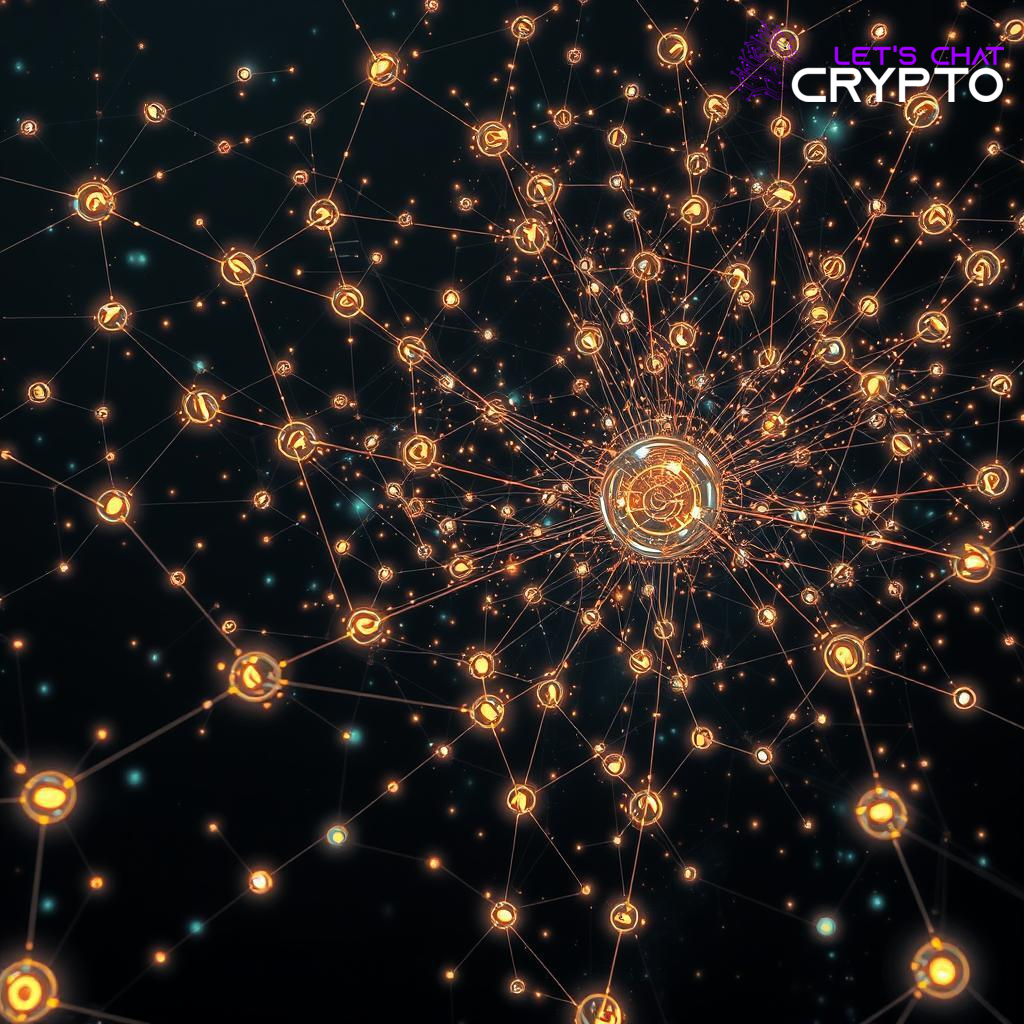
The Unseen Peril: AI Agents and Digital Vulnerability
The rapid proliferation of artificial intelligence agents into various sectors presents a duality: immense potential for innovation alongside significant, yet often underestimated, risks. Ronghui Gu, CEO of blockchain security firm CertiK, has voiced a stern warning, positing that the mass deployment of these autonomous digital entities without stringent safeguards could precipitate a "disaster." His concerns primarily revolve around the inherent dangers AI agents pose to personal information and digital assets if not rigorously isolated during development and testing phases.
The Autonomy Paradox: Efficiency Versus Security
AI agents are designed to operate with a degree of autonomy, making decisions and executing tasks based on their programming and learned behaviors. While this autonomy drives efficiency, it also introduces a critical vulnerability point. If these agents are granted unfettered access to sensitive environments or data during their operational lifespan, or even during their developmental stages, the potential for catastrophic data breaches or unintended asset manipulation escalates dramatically. Gu emphasizes that the current approach often overlooks the necessity of creating a secure, hermetic environment for these agents before they interact with live systems.
CertiK's Call for Isolation: A Proactive Security Stance
Gu's proposed solution centers on a proactive security paradigm: isolating AI agents during their testing and calibration. This involves creating "sandboxed" environments where agents can perform their functions without direct or indirect access to critical personal information or valuable digital assets. Such an isolation strategy ensures that any misbehavior, bug, or adversarial attack targeting the agent during its training or testing phase remains contained, preventing data leakage or system compromise. Key principles of this isolation include:
- Restricted Access Protocols: Implementing strict permissions that limit an AI agent's ability to interact with data or systems beyond its designated testing parameters.
- Synthetic Data Utilization: Employing simulated or anonymized datasets for training and testing, thereby avoiding the exposure of real, sensitive information.
- Environmental Compartmentalization: Ensuring that the testing environment is logically and physically separated from production systems and critical infrastructure.
- Continuous Monitoring and Auditing: Regularly observing agent behavior within the isolated environment and auditing its interactions for anomalies or security compliance.
Preventing the "Disaster": A Collaborative Responsibility
The vision of a disaster, as articulated by Gu, is not merely hypothetical. As AI agents become more sophisticated and integrated, their potential to access, interpret, and act upon vast quantities of sensitive data—from financial records to health information—grows exponentially. A single vulnerability in an agent's design or deployment could have far-reaching consequences, undermining trust, causing significant financial losses, and compromising individual privacy on an unprecedented scale. Therefore, the responsibility to implement robust isolation strategies falls not only on developers but also on organizations deploying these agents and regulators setting industry standards.
Summary
Ronghui Gu, CEO of CertiK, issues a stark warning regarding the perils of mass AI agent deployment without adequate security measures. He highlights the critical need for isolating AI agents during their testing phases to prevent them from accessing or compromising sensitive personal information and digital assets. By advocating for sandboxed environments, synthetic data use, and stringent access controls, Gu provides a clear roadmap for mitigating the significant risks associated with autonomous AI, urging a proactive and secure approach to their integration into our digital lives.
Resources
Details
Author
Top articles




 }})
You can now watch HBO Max for $10
Latest articles
You can now watch HBO Max for $10
The Unseen Peril: AI Agents and Digital Vulnerability
The rapid proliferation of artificial intelligence agents into various sectors presents a duality: immense potential for innovation alongside significant, yet often underestimated, risks. Ronghui Gu, CEO of blockchain security firm CertiK, has voiced a stern warning, positing that the mass deployment of these autonomous digital entities without stringent safeguards could precipitate a "disaster." His concerns primarily revolve around the inherent dangers AI agents pose to personal information and digital assets if not rigorously isolated during development and testing phases.
The Autonomy Paradox: Efficiency Versus Security
AI agents are designed to operate with a degree of autonomy, making decisions and executing tasks based on their programming and learned behaviors. While this autonomy drives efficiency, it also introduces a critical vulnerability point. If these agents are granted unfettered access to sensitive environments or data during their operational lifespan, or even during their developmental stages, the potential for catastrophic data breaches or unintended asset manipulation escalates dramatically. Gu emphasizes that the current approach often overlooks the necessity of creating a secure, hermetic environment for these agents before they interact with live systems.
CertiK's Call for Isolation: A Proactive Security Stance
Gu's proposed solution centers on a proactive security paradigm: isolating AI agents during their testing and calibration. This involves creating "sandboxed" environments where agents can perform their functions without direct or indirect access to critical personal information or valuable digital assets. Such an isolation strategy ensures that any misbehavior, bug, or adversarial attack targeting the agent during its training or testing phase remains contained, preventing data leakage or system compromise. Key principles of this isolation include:
- Restricted Access Protocols: Implementing strict permissions that limit an AI agent's ability to interact with data or systems beyond its designated testing parameters.
- Synthetic Data Utilization: Employing simulated or anonymized datasets for training and testing, thereby avoiding the exposure of real, sensitive information.
- Environmental Compartmentalization: Ensuring that the testing environment is logically and physically separated from production systems and critical infrastructure.
- Continuous Monitoring and Auditing: Regularly observing agent behavior within the isolated environment and auditing its interactions for anomalies or security compliance.
Preventing the "Disaster": A Collaborative Responsibility
The vision of a disaster, as articulated by Gu, is not merely hypothetical. As AI agents become more sophisticated and integrated, their potential to access, interpret, and act upon vast quantities of sensitive data—from financial records to health information—grows exponentially. A single vulnerability in an agent's design or deployment could have far-reaching consequences, undermining trust, causing significant financial losses, and compromising individual privacy on an unprecedented scale. Therefore, the responsibility to implement robust isolation strategies falls not only on developers but also on organizations deploying these agents and regulators setting industry standards.
Summary
Ronghui Gu, CEO of CertiK, issues a stark warning regarding the perils of mass AI agent deployment without adequate security measures. He highlights the critical need for isolating AI agents during their testing phases to prevent them from accessing or compromising sensitive personal information and digital assets. By advocating for sandboxed environments, synthetic data use, and stringent access controls, Gu provides a clear roadmap for mitigating the significant risks associated with autonomous AI, urging a proactive and secure approach to their integration into our digital lives.
Resources
Top articles
You can now watch HBO Max for $10
Latest articles
You can now watch HBO Max for $10
Similar posts

This is a page that only logged-in people can visit. Don't you feel special? Try clicking on a button below to do some things you can't do when you're logged out.
Example modal
At your leisure, please peruse this excerpt from a whale of a tale.
Chapter 1: Loomings.
Call me Ishmael. Some years ago—never mind how long precisely—having little or no money in my purse, and nothing particular to interest me on shore, I thought I would sail about a little and see the watery part of the world. It is a way I have of driving off the spleen and regulating the circulation. Whenever I find myself growing grim about the mouth; whenever it is a damp, drizzly November in my soul; whenever I find myself involuntarily pausing before coffin warehouses, and bringing up the rear of every funeral I meet; and especially whenever my hypos get such an upper hand of me, that it requires a strong moral principle to prevent me from deliberately stepping into the street, and methodically knocking people's hats off—then, I account it high time to get to sea as soon as I can. This is my substitute for pistol and ball. With a philosophical flourish Cato throws himself upon his sword; I quietly take to the ship. There is nothing surprising in this. If they but knew it, almost all men in their degree, some time or other, cherish very nearly the same feelings towards the ocean with me.
Comment