Bitcoin Confronts Quantum Threat: BIP 361 Unveils Divisive Migration Path for Frozen or Stolen Coins

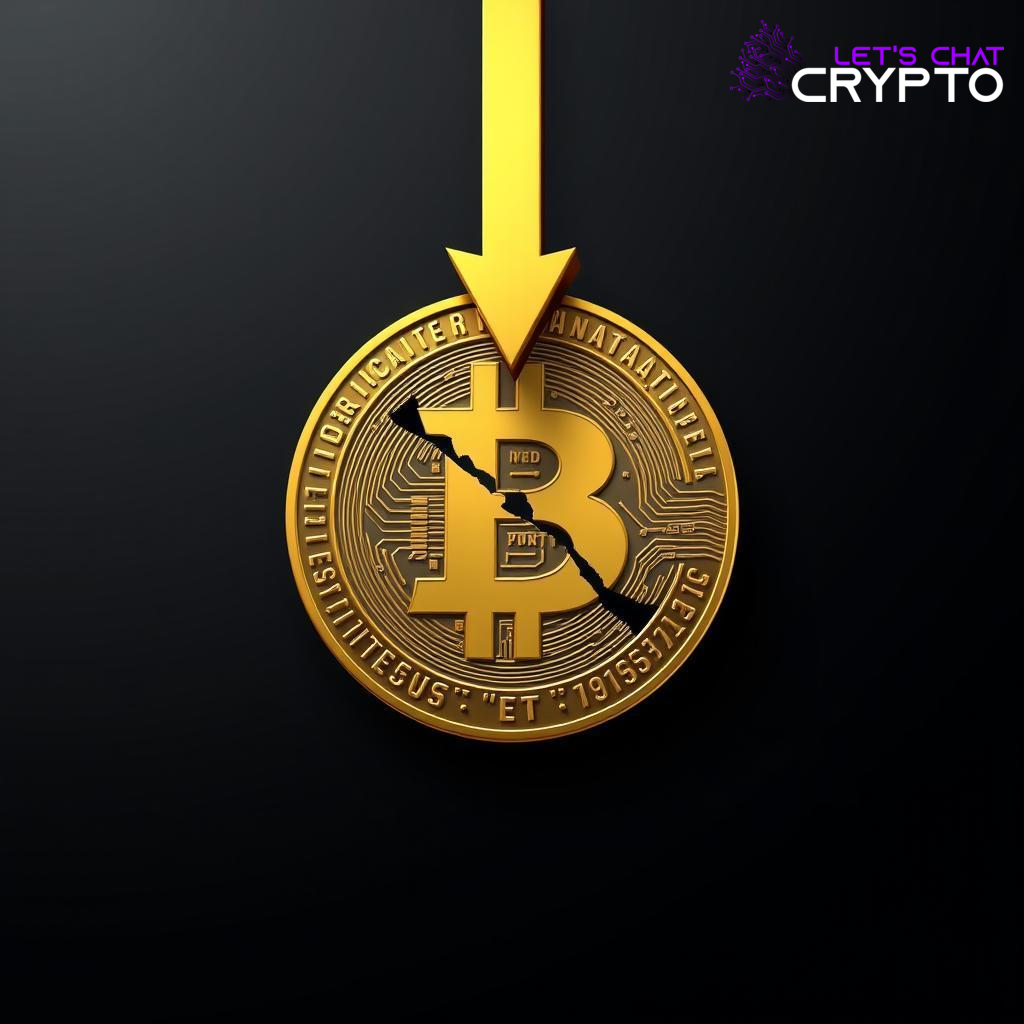
The specter of quantum computing looms over the cryptographic foundations of Bitcoin, prompting an urgent and complex debate within its development community. On April 14, 2024, Bitcoin Improvement Proposal 361 (BIP 361), titled “Post Quantum Migration and Legacy Signature Sunset,” was formally introduced into Bitcoin’s official proposal repository. This draft proposal outlines a multi-phase plan to transition the network away from its current ECDSA and Schnorr signature schemes, which are theoretically vulnerable to sufficiently advanced quantum attacks, towards quantum-resistant alternatives.
The Quantum Dilemma: Frozen or Stolen?
At the heart of BIP 361 lies a profound dilemma with significant political and economic ramifications for the Bitcoin network: how to manage existing bitcoins in a post-quantum world. The current cryptographic signatures, particularly ECDSA, could be compromised by quantum computers capable of Shor's algorithm. This threat is especially acute for unspent transaction outputs (UTXOs) where the public key has already been revealed, such as those that have previously spent funds. Such UTXOs would theoretically be vulnerable to having their private keys derived by a quantum adversary, leading to the theft of funds.
BIP 361 attempts to address this by proposing a three-phase migration. While the specifics are still under discussion and subject to change, the core idea is to introduce new, quantum-resistant output types. However, migrating existing coins presents a substantial challenge. If a mechanism forces the migration of funds to new addresses, it raises questions about consent and control. Alternatively, if a significant portion of the network fails to migrate their coins before a quantum attack becomes feasible, these funds could be irrecoverably lost to theft (stolen) or become practically unspendable (frozen) due to network rule changes invalidating old signature types.
Understanding BIP 361: A Phased Approach
The proposal’s three phases aim to systematically de-risk Bitcoin from quantum threats:
Phase 1: Quantum-Resistant Output Type Introduction
This initial phase focuses on introducing a new, quantum-secure signature scheme and corresponding output type. This would allow new transactions and wallets to immediately adopt more robust cryptography, safeguarding future funds from quantum attacks.
Phase 2: Opt-In Migration for Existing Funds
Following the introduction of the new output type, Phase 2 would enable users to voluntarily migrate their existing bitcoins to quantum-resistant addresses. This opt-in mechanism is crucial for respecting individual sovereignty over funds but relies on widespread participation to be effective.
Phase 3: Legacy Signature Sunset
The most contentious phase involves a "sunset" or eventual deprecation of the legacy ECDSA and Schnorr signature types. This implies that at some point, transactions using these older, vulnerable schemes might no longer be valid on the Bitcoin network. This phase directly triggers the "frozen or stolen" debate, as unmigrated funds could become inaccessible if their legacy signatures are no longer accepted, or stolen if quantum computers emerge before migration is complete.
Implications and Challenges
The implications of BIP 361 are far-reaching. While proactive defense against quantum threats is paramount for Bitcoin's long-term viability, the proposed sunsetting of legacy signatures introduces a significant social and technical coordination challenge. Ensuring a smooth transition requires an unprecedented level of consensus and user action. Without careful implementation, a substantial portion of the existing Bitcoin supply could face a dilemma of either being migrated under potentially forced conditions or risking permanent inaccessibility or theft. The debate underscores the delicate balance between technological advancement, security imperatives, and the fundamental principles of decentralization and user control that define Bitcoin.
Summary
BIP 361 represents Bitcoin's most concrete step yet towards addressing the existential threat of quantum computing. By proposing a multi-phase plan to introduce quantum-resistant cryptography and eventually sunset legacy signatures, the network aims to secure its future. However, this necessary evolution introduces a profound challenge regarding existing bitcoins: how to ensure their security without inadvertently leading to their permanent freezing or theft. The discussion around BIP 361 highlights the complex interplay of technical security, economic incentives, and social consensus required to navigate Bitcoin through the quantum age.
Resources
Details
Author
Top articles




 }})
You can now watch HBO Max for $10
Latest articles


You can now watch HBO Max for $10
The specter of quantum computing looms over the cryptographic foundations of Bitcoin, prompting an urgent and complex debate within its development community. On April 14, 2024, Bitcoin Improvement Proposal 361 (BIP 361), titled “Post Quantum Migration and Legacy Signature Sunset,” was formally introduced into Bitcoin’s official proposal repository. This draft proposal outlines a multi-phase plan to transition the network away from its current ECDSA and Schnorr signature schemes, which are theoretically vulnerable to sufficiently advanced quantum attacks, towards quantum-resistant alternatives.
The Quantum Dilemma: Frozen or Stolen?
At the heart of BIP 361 lies a profound dilemma with significant political and economic ramifications for the Bitcoin network: how to manage existing bitcoins in a post-quantum world. The current cryptographic signatures, particularly ECDSA, could be compromised by quantum computers capable of Shor's algorithm. This threat is especially acute for unspent transaction outputs (UTXOs) where the public key has already been revealed, such as those that have previously spent funds. Such UTXOs would theoretically be vulnerable to having their private keys derived by a quantum adversary, leading to the theft of funds.
BIP 361 attempts to address this by proposing a three-phase migration. While the specifics are still under discussion and subject to change, the core idea is to introduce new, quantum-resistant output types. However, migrating existing coins presents a substantial challenge. If a mechanism forces the migration of funds to new addresses, it raises questions about consent and control. Alternatively, if a significant portion of the network fails to migrate their coins before a quantum attack becomes feasible, these funds could be irrecoverably lost to theft (stolen) or become practically unspendable (frozen) due to network rule changes invalidating old signature types.
Understanding BIP 361: A Phased Approach
The proposal’s three phases aim to systematically de-risk Bitcoin from quantum threats:
Phase 1: Quantum-Resistant Output Type Introduction
This initial phase focuses on introducing a new, quantum-secure signature scheme and corresponding output type. This would allow new transactions and wallets to immediately adopt more robust cryptography, safeguarding future funds from quantum attacks.
Phase 2: Opt-In Migration for Existing Funds
Following the introduction of the new output type, Phase 2 would enable users to voluntarily migrate their existing bitcoins to quantum-resistant addresses. This opt-in mechanism is crucial for respecting individual sovereignty over funds but relies on widespread participation to be effective.
Phase 3: Legacy Signature Sunset
The most contentious phase involves a "sunset" or eventual deprecation of the legacy ECDSA and Schnorr signature types. This implies that at some point, transactions using these older, vulnerable schemes might no longer be valid on the Bitcoin network. This phase directly triggers the "frozen or stolen" debate, as unmigrated funds could become inaccessible if their legacy signatures are no longer accepted, or stolen if quantum computers emerge before migration is complete.
Implications and Challenges
The implications of BIP 361 are far-reaching. While proactive defense against quantum threats is paramount for Bitcoin's long-term viability, the proposed sunsetting of legacy signatures introduces a significant social and technical coordination challenge. Ensuring a smooth transition requires an unprecedented level of consensus and user action. Without careful implementation, a substantial portion of the existing Bitcoin supply could face a dilemma of either being migrated under potentially forced conditions or risking permanent inaccessibility or theft. The debate underscores the delicate balance between technological advancement, security imperatives, and the fundamental principles of decentralization and user control that define Bitcoin.
Summary
BIP 361 represents Bitcoin's most concrete step yet towards addressing the existential threat of quantum computing. By proposing a multi-phase plan to introduce quantum-resistant cryptography and eventually sunset legacy signatures, the network aims to secure its future. However, this necessary evolution introduces a profound challenge regarding existing bitcoins: how to ensure their security without inadvertently leading to their permanent freezing or theft. The discussion around BIP 361 highlights the complex interplay of technical security, economic incentives, and social consensus required to navigate Bitcoin through the quantum age.
Resources
Top articles
You can now watch HBO Max for $10
Latest articles
You can now watch HBO Max for $10
Similar posts


This is a page that only logged-in people can visit. Don't you feel special? Try clicking on a button below to do some things you can't do when you're logged out.
Example modal
At your leisure, please peruse this excerpt from a whale of a tale.
Chapter 1: Loomings.
Call me Ishmael. Some years ago—never mind how long precisely—having little or no money in my purse, and nothing particular to interest me on shore, I thought I would sail about a little and see the watery part of the world. It is a way I have of driving off the spleen and regulating the circulation. Whenever I find myself growing grim about the mouth; whenever it is a damp, drizzly November in my soul; whenever I find myself involuntarily pausing before coffin warehouses, and bringing up the rear of every funeral I meet; and especially whenever my hypos get such an upper hand of me, that it requires a strong moral principle to prevent me from deliberately stepping into the street, and methodically knocking people's hats off—then, I account it high time to get to sea as soon as I can. This is my substitute for pistol and ball. With a philosophical flourish Cato throws himself upon his sword; I quietly take to the ship. There is nothing surprising in this. If they but knew it, almost all men in their degree, some time or other, cherish very nearly the same feelings towards the ocean with me.
Comment