Thailand Greenlights Crypto Derivatives Integration, Pivoting Towards Global Financial Standards
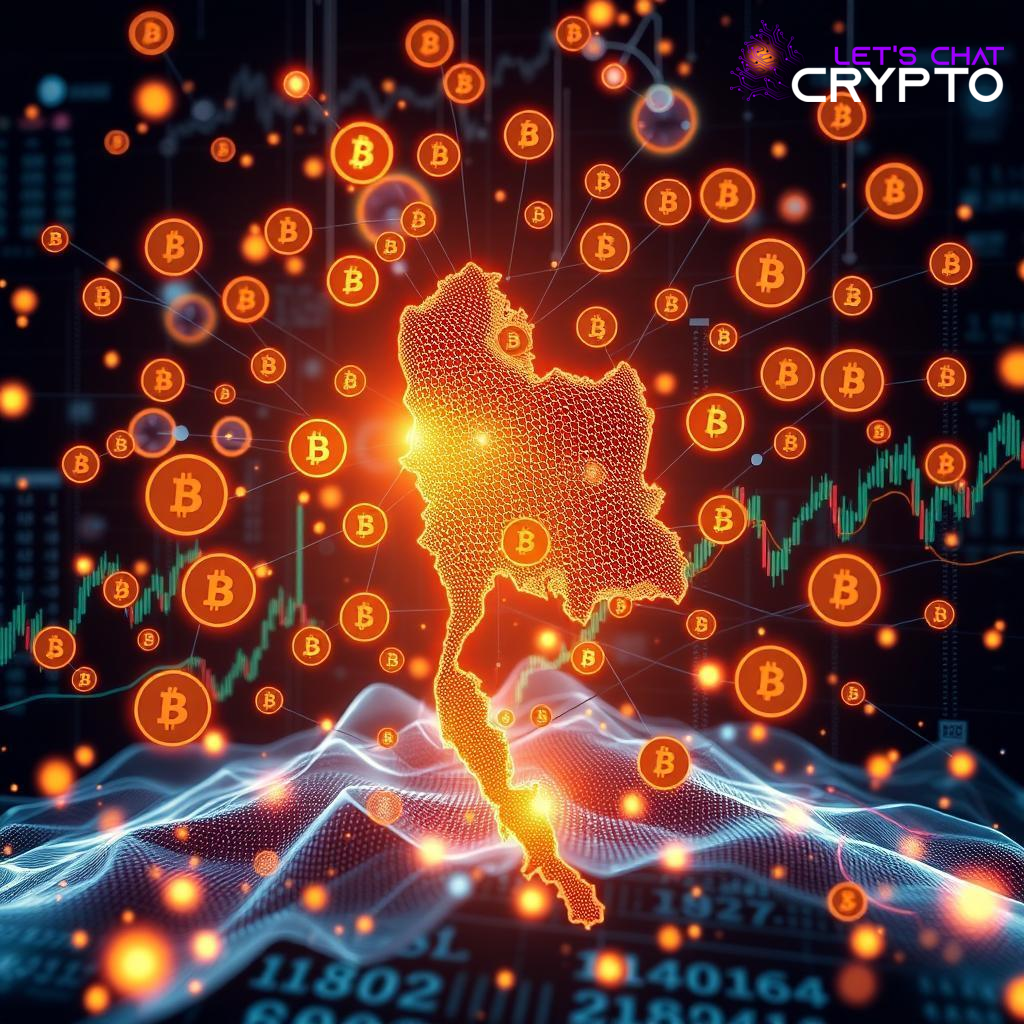
In a significant stride towards modernizing its financial markets, Thailand's Cabinet has given the green light to a pivotal proposal aimed at integrating cryptocurrencies into its local derivatives market. This strategic decision marks a concerted effort to align the nation's regulatory framework with international standards, particularly those governing digital assets and their derivatives.
A Regulatory Evolution Driven by Global Alignment
The core of the Cabinet's approval centers on a comprehensive plan to amend the existing Derivatives Act. This legislative overhaul is designed to encompass digital assets, thereby establishing a robust regulatory environment for cryptocurrency-based derivative products. The move is underpinned by the ambition to meet benchmarks set by international bodies, most notably the International Organization of Securities Commissions (IOSCO).
Strategic Imperatives
- Enhanced Investor Protection: A primary driver is to safeguard investors participating in the nascent yet rapidly expanding digital asset space by bringing crypto derivatives under stringent regulatory oversight.
- Market Integrity and Stability: By aligning with global best practices, Thailand aims to mitigate risks such as market manipulation, money laundering, and illicit financing, fostering a more secure and stable trading environment.
- Fostering Innovation: A well-defined regulatory framework is expected to encourage innovation in financial product development, allowing for the creation of new instruments that cater to evolving investor demands while maintaining market discipline.
- International Competitiveness: By adopting globally recognized standards, Thailand positions itself as an attractive hub for digital asset-related financial activities, potentially drawing foreign investment and expertise.
Implications for Thailand's Financial Landscape
The integration of crypto into the derivatives market is poised to have profound implications for Thailand. It is expected to diversify the financial products available to both institutional and retail investors, offering new avenues for hedging, speculation, and portfolio management. Financial institutions will need to adapt their infrastructure and compliance protocols to accommodate these new offerings, signaling a broader technological and operational shift within the sector.
Opportunities and Challenges Ahead
- Opportunities: Increased market liquidity, potential for new revenue streams for financial firms, greater access to global financial markets for Thai investors, and the strengthening of Thailand's position as a regional financial innovator.
- Challenges: The need for continuous regulatory adaptation, ensuring technological readiness among market participants, educating investors on the complexities and risks associated with crypto derivatives, and maintaining effective oversight in a rapidly evolving technological landscape.
Global Context and Future Outlook
Thailand's proactive stance mirrors a growing global trend where jurisdictions are grappling with how to effectively regulate digital assets. By choosing to integrate rather than ostracize, Thailand is opting for a path of controlled innovation, learning from international precedents while tailoring solutions to its local market. This approach could serve as a blueprint for other emerging economies looking to harness the potential of digital finance responsibly.
Summary
Thailand's decision to integrate crypto into its local derivatives market, following Cabinet approval, represents a forward-thinking and strategically important move. It underscores a commitment to harmonizing local financial regulations with international standards, aiming to enhance investor protection, ensure market stability, and stimulate innovation within a well-defined framework. While presenting both opportunities and challenges, this regulatory evolution is set to reshape Thailand's financial landscape, positioning it as a more dynamic and globally integrated player in the digital economy.
Resources
- Bangkok Post - Cabinet approves Derivatives Act amendments to cover digital assets
- The Stock Exchange of Thailand (SET) - Official statements or announcements related to derivatives market development. (Simulated/General Reference)
- International Organization of Securities Commissions (IOSCO) - Publications on derivatives market regulation and digital assets. (Simulated/General Reference)
Details
Author
Top articles

 }})
You can now watch HBO Max for $10
Latest articles



You can now watch HBO Max for $10
In a significant stride towards modernizing its financial markets, Thailand's Cabinet has given the green light to a pivotal proposal aimed at integrating cryptocurrencies into its local derivatives market. This strategic decision marks a concerted effort to align the nation's regulatory framework with international standards, particularly those governing digital assets and their derivatives.
A Regulatory Evolution Driven by Global Alignment
The core of the Cabinet's approval centers on a comprehensive plan to amend the existing Derivatives Act. This legislative overhaul is designed to encompass digital assets, thereby establishing a robust regulatory environment for cryptocurrency-based derivative products. The move is underpinned by the ambition to meet benchmarks set by international bodies, most notably the International Organization of Securities Commissions (IOSCO).
Strategic Imperatives
- Enhanced Investor Protection: A primary driver is to safeguard investors participating in the nascent yet rapidly expanding digital asset space by bringing crypto derivatives under stringent regulatory oversight.
- Market Integrity and Stability: By aligning with global best practices, Thailand aims to mitigate risks such as market manipulation, money laundering, and illicit financing, fostering a more secure and stable trading environment.
- Fostering Innovation: A well-defined regulatory framework is expected to encourage innovation in financial product development, allowing for the creation of new instruments that cater to evolving investor demands while maintaining market discipline.
- International Competitiveness: By adopting globally recognized standards, Thailand positions itself as an attractive hub for digital asset-related financial activities, potentially drawing foreign investment and expertise.
Implications for Thailand's Financial Landscape
The integration of crypto into the derivatives market is poised to have profound implications for Thailand. It is expected to diversify the financial products available to both institutional and retail investors, offering new avenues for hedging, speculation, and portfolio management. Financial institutions will need to adapt their infrastructure and compliance protocols to accommodate these new offerings, signaling a broader technological and operational shift within the sector.
Opportunities and Challenges Ahead
- Opportunities: Increased market liquidity, potential for new revenue streams for financial firms, greater access to global financial markets for Thai investors, and the strengthening of Thailand's position as a regional financial innovator.
- Challenges: The need for continuous regulatory adaptation, ensuring technological readiness among market participants, educating investors on the complexities and risks associated with crypto derivatives, and maintaining effective oversight in a rapidly evolving technological landscape.
Global Context and Future Outlook
Thailand's proactive stance mirrors a growing global trend where jurisdictions are grappling with how to effectively regulate digital assets. By choosing to integrate rather than ostracize, Thailand is opting for a path of controlled innovation, learning from international precedents while tailoring solutions to its local market. This approach could serve as a blueprint for other emerging economies looking to harness the potential of digital finance responsibly.
Summary
Thailand's decision to integrate crypto into its local derivatives market, following Cabinet approval, represents a forward-thinking and strategically important move. It underscores a commitment to harmonizing local financial regulations with international standards, aiming to enhance investor protection, ensure market stability, and stimulate innovation within a well-defined framework. While presenting both opportunities and challenges, this regulatory evolution is set to reshape Thailand's financial landscape, positioning it as a more dynamic and globally integrated player in the digital economy.
Resources
- Bangkok Post - Cabinet approves Derivatives Act amendments to cover digital assets
- The Stock Exchange of Thailand (SET) - Official statements or announcements related to derivatives market development. (Simulated/General Reference)
- International Organization of Securities Commissions (IOSCO) - Publications on derivatives market regulation and digital assets. (Simulated/General Reference)
Top articles
You can now watch HBO Max for $10
Latest articles
You can now watch HBO Max for $10
Similar posts



This is a page that only logged-in people can visit. Don't you feel special? Try clicking on a button below to do some things you can't do when you're logged out.
Example modal
At your leisure, please peruse this excerpt from a whale of a tale.
Chapter 1: Loomings.
Call me Ishmael. Some years ago—never mind how long precisely—having little or no money in my purse, and nothing particular to interest me on shore, I thought I would sail about a little and see the watery part of the world. It is a way I have of driving off the spleen and regulating the circulation. Whenever I find myself growing grim about the mouth; whenever it is a damp, drizzly November in my soul; whenever I find myself involuntarily pausing before coffin warehouses, and bringing up the rear of every funeral I meet; and especially whenever my hypos get such an upper hand of me, that it requires a strong moral principle to prevent me from deliberately stepping into the street, and methodically knocking people's hats off—then, I account it high time to get to sea as soon as I can. This is my substitute for pistol and ball. With a philosophical flourish Cato throws himself upon his sword; I quietly take to the ship. There is nothing surprising in this. If they but knew it, almost all men in their degree, some time or other, cherish very nearly the same feelings towards the ocean with me.
Comment