Bitcoin Wallet Makers Face Steep Climb Towards Quantum Resistance: Trezor CTO Outlines Key Trade-offs

The Looming Quantum Threat to Bitcoin's Foundation
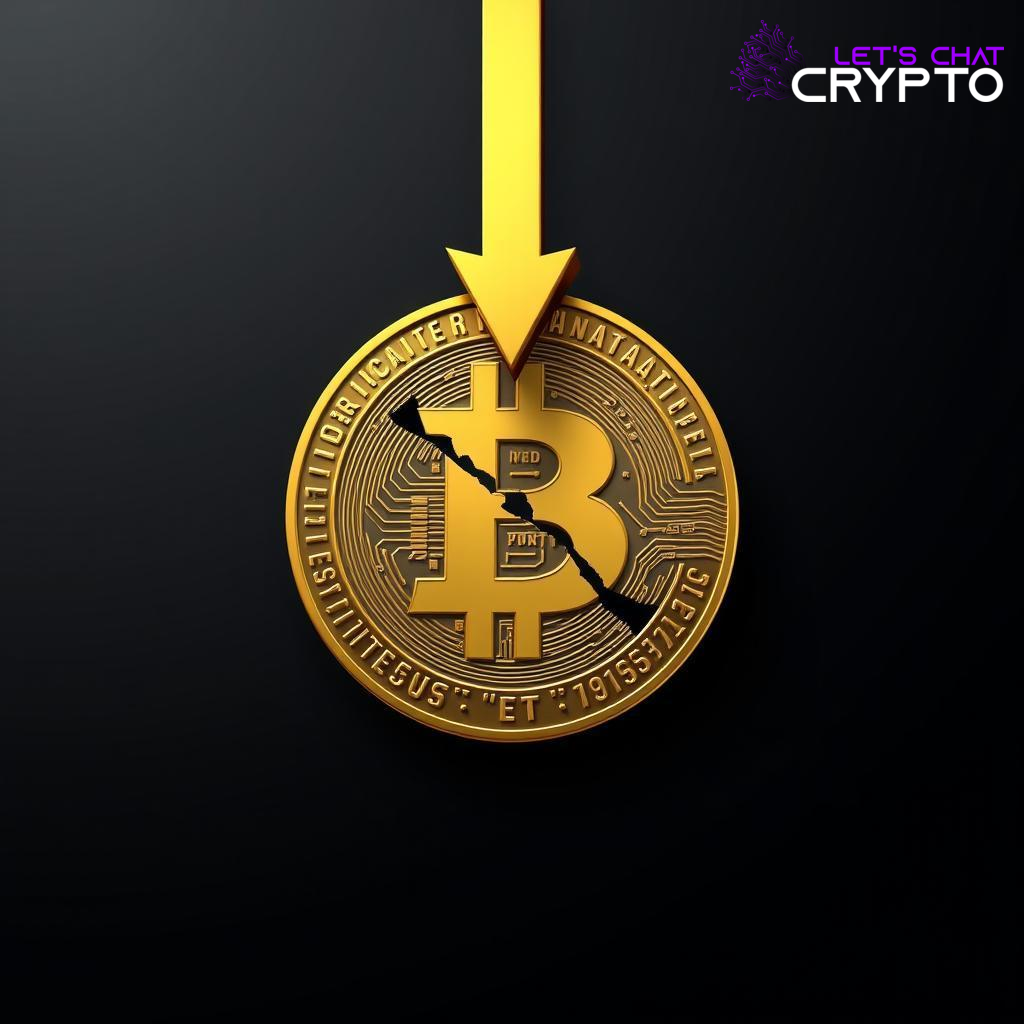
As the theoretical threat of quantum computing advances, the cryptocurrency world, particularly Bitcoin, grapples with the imperative of quantum resistance. While a fully functional quantum computer capable of breaking current cryptographic standards remains speculative, proactive measures are critical for long-term security. However, for Bitcoin wallet manufacturers, transitioning to post-quantum cryptography (PQC) schemes presents a formidable uphill battle, fraught with technical and practical trade-offs.
Tomáš Sušánka on the Post-Quantum Conundrum
Tomáš Sušánka, Chief Technology Officer at Trezor, a leading hardware wallet provider, has been vocal about the complexities involved in integrating post-quantum signature schemes into Bitcoin. He highlights that the "leading" post-quantum signature candidates, while offering enhanced security against future quantum attacks, come with significant operational costs that challenge Bitcoin's fundamental characteristics of efficiency and decentralization.
Sušánka points to several critical areas of compromise:
- Increased Transaction Size: Post-quantum signatures are substantially larger than their elliptical curve cryptography (ECC) counterparts currently used by Bitcoin. This increase directly translates to larger transaction sizes.
- Higher Transaction Fees: Larger transactions consume more block space, inevitably leading to higher transaction fees for users. This undermines Bitcoin's accessibility and affordability, especially for smaller transactions.
- Blockchain Bloat: A widespread adoption of larger post-quantum transactions would cause a significant increase in the size of the Bitcoin blockchain. This "bloat" would make it more resource-intensive for nodes to store and synchronize the blockchain, potentially jeopardizing network decentralization by excluding smaller participants.
- Performance Impact: Processing larger signatures and transactions demands greater computational resources from both hardware wallets and network nodes. This could slow down transaction verification and overall network performance.
- User Experience Challenges: The integration of new cryptographic primitives requires careful implementation within hardware wallets. Ensuring these changes are seamless, secure, and user-friendly, without introducing new vectors for attack or complexity, is a substantial engineering task.
Navigating the Path Forward
The core dilemma, as articulated by Sušánka, lies in balancing enhanced future security with the immediate practical implications for Bitcoin's usability and network health. Moving to a new signature scheme would necessitate a network-wide soft or hard fork, a complex and politically charged process that requires broad consensus among developers, miners, and users.
While research into more compact and efficient post-quantum signature schemes continues, wallet makers like Trezor face the immediate challenge of evaluating current proposals and preparing their infrastructure for a future that demands robust, quantum-resistant security without compromising the very attributes that make Bitcoin valuable.
Summary
The journey towards quantum resistance for Bitcoin is paved with considerable technical and economic challenges, as illuminated by Trezor CTO Tomáš Sušánka. While the security imperative is clear, the current generation of post-quantum signature schemes demands trade-offs in transaction size, fees, blockchain efficiency, and network decentralization. Overcoming these hurdles will require innovative cryptographic solutions, careful implementation by wallet providers, and broad community consensus within the Bitcoin ecosystem.
Resources
Details
Author
Top articles




 }})
You can now watch HBO Max for $10
Latest articles




You can now watch HBO Max for $10
The Looming Quantum Threat to Bitcoin's Foundation
As the theoretical threat of quantum computing advances, the cryptocurrency world, particularly Bitcoin, grapples with the imperative of quantum resistance. While a fully functional quantum computer capable of breaking current cryptographic standards remains speculative, proactive measures are critical for long-term security. However, for Bitcoin wallet manufacturers, transitioning to post-quantum cryptography (PQC) schemes presents a formidable uphill battle, fraught with technical and practical trade-offs.
Tomáš Sušánka on the Post-Quantum Conundrum
Tomáš Sušánka, Chief Technology Officer at Trezor, a leading hardware wallet provider, has been vocal about the complexities involved in integrating post-quantum signature schemes into Bitcoin. He highlights that the "leading" post-quantum signature candidates, while offering enhanced security against future quantum attacks, come with significant operational costs that challenge Bitcoin's fundamental characteristics of efficiency and decentralization.
Sušánka points to several critical areas of compromise:
- Increased Transaction Size: Post-quantum signatures are substantially larger than their elliptical curve cryptography (ECC) counterparts currently used by Bitcoin. This increase directly translates to larger transaction sizes.
- Higher Transaction Fees: Larger transactions consume more block space, inevitably leading to higher transaction fees for users. This undermines Bitcoin's accessibility and affordability, especially for smaller transactions.
- Blockchain Bloat: A widespread adoption of larger post-quantum transactions would cause a significant increase in the size of the Bitcoin blockchain. This "bloat" would make it more resource-intensive for nodes to store and synchronize the blockchain, potentially jeopardizing network decentralization by excluding smaller participants.
- Performance Impact: Processing larger signatures and transactions demands greater computational resources from both hardware wallets and network nodes. This could slow down transaction verification and overall network performance.
- User Experience Challenges: The integration of new cryptographic primitives requires careful implementation within hardware wallets. Ensuring these changes are seamless, secure, and user-friendly, without introducing new vectors for attack or complexity, is a substantial engineering task.
Navigating the Path Forward
The core dilemma, as articulated by Sušánka, lies in balancing enhanced future security with the immediate practical implications for Bitcoin's usability and network health. Moving to a new signature scheme would necessitate a network-wide soft or hard fork, a complex and politically charged process that requires broad consensus among developers, miners, and users.
While research into more compact and efficient post-quantum signature schemes continues, wallet makers like Trezor face the immediate challenge of evaluating current proposals and preparing their infrastructure for a future that demands robust, quantum-resistant security without compromising the very attributes that make Bitcoin valuable.
Summary
The journey towards quantum resistance for Bitcoin is paved with considerable technical and economic challenges, as illuminated by Trezor CTO Tomáš Sušánka. While the security imperative is clear, the current generation of post-quantum signature schemes demands trade-offs in transaction size, fees, blockchain efficiency, and network decentralization. Overcoming these hurdles will require innovative cryptographic solutions, careful implementation by wallet providers, and broad community consensus within the Bitcoin ecosystem.
Resources
Top articles
You can now watch HBO Max for $10
Latest articles
You can now watch HBO Max for $10
Similar posts



This is a page that only logged-in people can visit. Don't you feel special? Try clicking on a button below to do some things you can't do when you're logged out.
Example modal
At your leisure, please peruse this excerpt from a whale of a tale.
Chapter 1: Loomings.
Call me Ishmael. Some years ago—never mind how long precisely—having little or no money in my purse, and nothing particular to interest me on shore, I thought I would sail about a little and see the watery part of the world. It is a way I have of driving off the spleen and regulating the circulation. Whenever I find myself growing grim about the mouth; whenever it is a damp, drizzly November in my soul; whenever I find myself involuntarily pausing before coffin warehouses, and bringing up the rear of every funeral I meet; and especially whenever my hypos get such an upper hand of me, that it requires a strong moral principle to prevent me from deliberately stepping into the street, and methodically knocking people's hats off—then, I account it high time to get to sea as soon as I can. This is my substitute for pistol and ball. With a philosophical flourish Cato throws himself upon his sword; I quietly take to the ship. There is nothing surprising in this. If they but knew it, almost all men in their degree, some time or other, cherish very nearly the same feelings towards the ocean with me.
Comment