Bitcoin's Hashrate Stagnation: AI's Voracious Power Demand Poses a New Obstacle to Mining Recovery
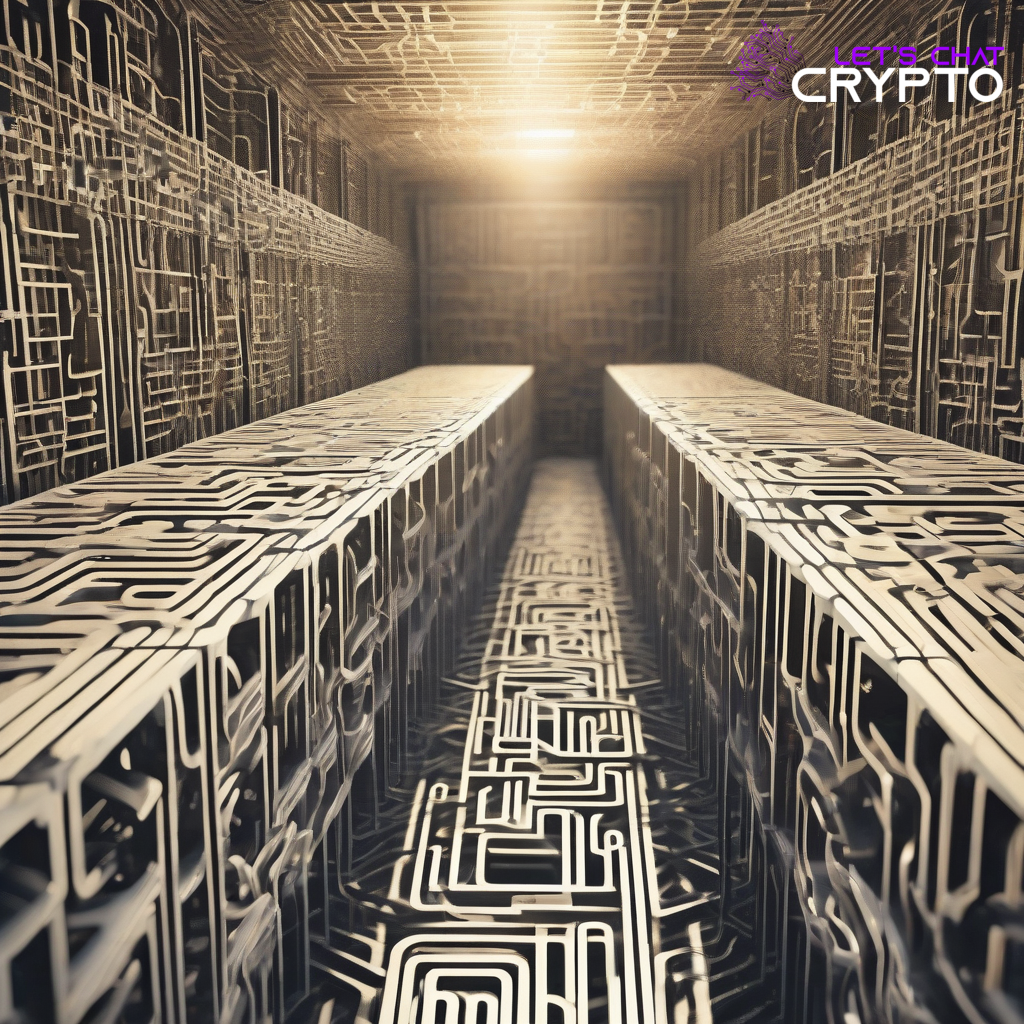
For over 316 days, the Bitcoin network has experienced a significant lull in its hashrate growth, a period that signals more than just typical market fluctuations. This prolonged stagnation, or "drought," in computational power committed to securing the blockchain, comes amidst rising network difficulty, paradoxically making the mining landscape tougher while new capacity remains muted. This peculiar dynamic is increasingly influenced by a powerful, emerging competitor for energy-intensive infrastructure: Artificial Intelligence (AI) and High-Performance Computing (HPC) operations.
The Evolving Landscape of Bitcoin Hashrate and Difficulty
Bitcoin's hashrate, a measure of the total computational power dedicated to processing transactions and mining new blocks, has historically shown a relentless upward trajectory, reflecting continuous investment and expansion in the mining sector. However, the recent extended period of flatlining or marginally declining hashrate marks a departure from this trend. Concurrently, the network's mining difficulty, which adjusts to ensure blocks are found approximately every ten minutes, has continued its ascent, putting pressure on miners. Higher difficulty with stagnant hashrate implies that existing miners are working harder for the same, or potentially fewer, block rewards, squeezing profit margins for less efficient operations.
AI and HPC: A New Energy Leviathan
The burgeoning demand for AI and HPC has created an unprecedented competitive environment for prime power assets. Training sophisticated AI models and running complex simulations requires immense computational resources, powered by vast arrays of Graphics Processing Units (GPUs) that consume prodigious amounts of electricity. Data centers designed for AI are now some of the most power-hungry facilities globally, with energy requirements often dwarfing those of even large-scale Bitcoin mining sites.
Operators of facilities with access to substantial, affordable power are increasingly finding more attractive and stable revenue streams by converting or dedicating their infrastructure to AI and HPC workloads. Unlike Bitcoin mining, which is subject to volatile cryptocurrency prices and periodic halving events that reduce block rewards, AI/HPC offers the potential for long-term contracts with major technology companies and research institutions, providing a more predictable financial outlook. This shift is not merely about adapting existing structures; it represents a fundamental re-evaluation of capital allocation in the power-intensive digital infrastructure sector.
Implications for Bitcoin Mining's Future
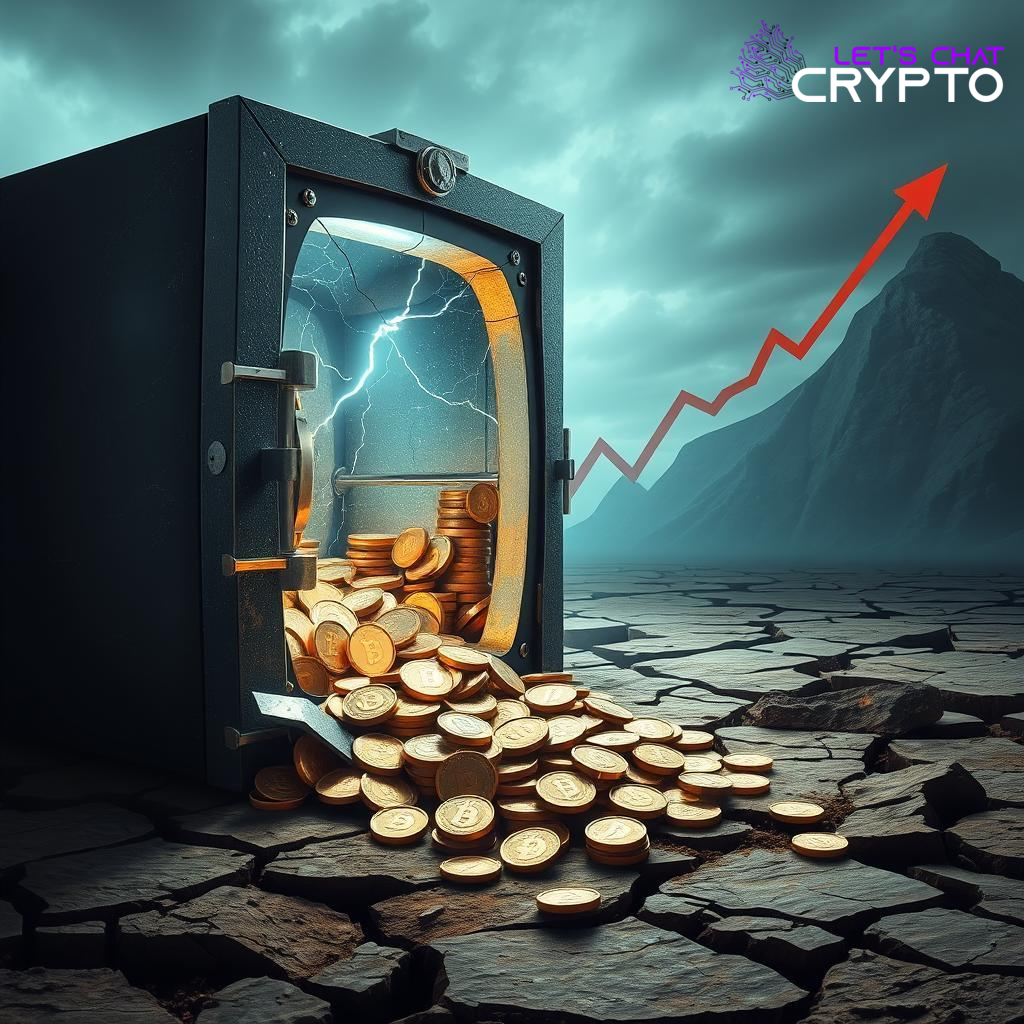
The allure of AI/HPC revenue streams introduces a significant hurdle for Bitcoin mining's recovery from its current hashrate drought. Even if Bitcoin's price experiences a substantial rally, the ability to rapidly scale mining operations may be hampered by the scarcity of available, cost-effective power sites. Facilities that might have once been prime candidates for new Bitcoin mining ventures are now being aggressively pursued or repurposed for AI/HPC. This competition drives up the cost of power, land, and even the specialized engineering required to run these operations, making it harder for Bitcoin miners to expand or for new entrants to establish themselves.
The specialized hardware for Bitcoin mining (ASICs) is distinct from the GPUs used for AI, yet the underlying infrastructure – massive electrical grids, advanced cooling systems, and physical data center space – is largely interchangeable or adaptable. The financial incentives are now tilting away from the cyclical and often unpredictable nature of cryptocurrency mining towards the robust and growing demand from the AI industry, potentially prolonging the hashrate stagnation and making a rapid reversal of this mining downturn considerably more challenging.
Summary
Bitcoin's prolonged hashrate drought, coupled with rising network difficulty, underscores a critical juncture for the cryptocurrency's mining ecosystem. The relentless, high-demand growth of Artificial Intelligence and High-Performance Computing is creating a formidable competitor for energy-intensive infrastructure, offering more stable and potentially lucrative revenue streams than traditional Bitcoin mining. This shift poses a significant challenge to the future expansion and recovery of Bitcoin's hashrate, suggesting that the current downturn could be more entrenched than previous cycles, fundamentally altering the economics of global digital infrastructure.
Resources
- Cambridge Centre for Alternative Finance (CCAF) Bitcoin Electricity Consumption Index
- Arcane Research / Glassnode Industry Reports
- Various Industry Reports on Data Center and AI Infrastructure Development
Details
Author
Top articles




 }})
You can now watch HBO Max for $10
Latest articles



You can now watch HBO Max for $10
For over 316 days, the Bitcoin network has experienced a significant lull in its hashrate growth, a period that signals more than just typical market fluctuations. This prolonged stagnation, or "drought," in computational power committed to securing the blockchain, comes amidst rising network difficulty, paradoxically making the mining landscape tougher while new capacity remains muted. This peculiar dynamic is increasingly influenced by a powerful, emerging competitor for energy-intensive infrastructure: Artificial Intelligence (AI) and High-Performance Computing (HPC) operations.
The Evolving Landscape of Bitcoin Hashrate and Difficulty
Bitcoin's hashrate, a measure of the total computational power dedicated to processing transactions and mining new blocks, has historically shown a relentless upward trajectory, reflecting continuous investment and expansion in the mining sector. However, the recent extended period of flatlining or marginally declining hashrate marks a departure from this trend. Concurrently, the network's mining difficulty, which adjusts to ensure blocks are found approximately every ten minutes, has continued its ascent, putting pressure on miners. Higher difficulty with stagnant hashrate implies that existing miners are working harder for the same, or potentially fewer, block rewards, squeezing profit margins for less efficient operations.
AI and HPC: A New Energy Leviathan
The burgeoning demand for AI and HPC has created an unprecedented competitive environment for prime power assets. Training sophisticated AI models and running complex simulations requires immense computational resources, powered by vast arrays of Graphics Processing Units (GPUs) that consume prodigious amounts of electricity. Data centers designed for AI are now some of the most power-hungry facilities globally, with energy requirements often dwarfing those of even large-scale Bitcoin mining sites.
Operators of facilities with access to substantial, affordable power are increasingly finding more attractive and stable revenue streams by converting or dedicating their infrastructure to AI and HPC workloads. Unlike Bitcoin mining, which is subject to volatile cryptocurrency prices and periodic halving events that reduce block rewards, AI/HPC offers the potential for long-term contracts with major technology companies and research institutions, providing a more predictable financial outlook. This shift is not merely about adapting existing structures; it represents a fundamental re-evaluation of capital allocation in the power-intensive digital infrastructure sector.
Implications for Bitcoin Mining's Future
The allure of AI/HPC revenue streams introduces a significant hurdle for Bitcoin mining's recovery from its current hashrate drought. Even if Bitcoin's price experiences a substantial rally, the ability to rapidly scale mining operations may be hampered by the scarcity of available, cost-effective power sites. Facilities that might have once been prime candidates for new Bitcoin mining ventures are now being aggressively pursued or repurposed for AI/HPC. This competition drives up the cost of power, land, and even the specialized engineering required to run these operations, making it harder for Bitcoin miners to expand or for new entrants to establish themselves.
The specialized hardware for Bitcoin mining (ASICs) is distinct from the GPUs used for AI, yet the underlying infrastructure – massive electrical grids, advanced cooling systems, and physical data center space – is largely interchangeable or adaptable. The financial incentives are now tilting away from the cyclical and often unpredictable nature of cryptocurrency mining towards the robust and growing demand from the AI industry, potentially prolonging the hashrate stagnation and making a rapid reversal of this mining downturn considerably more challenging.
Summary
Bitcoin's prolonged hashrate drought, coupled with rising network difficulty, underscores a critical juncture for the cryptocurrency's mining ecosystem. The relentless, high-demand growth of Artificial Intelligence and High-Performance Computing is creating a formidable competitor for energy-intensive infrastructure, offering more stable and potentially lucrative revenue streams than traditional Bitcoin mining. This shift poses a significant challenge to the future expansion and recovery of Bitcoin's hashrate, suggesting that the current downturn could be more entrenched than previous cycles, fundamentally altering the economics of global digital infrastructure.
Resources
- Cambridge Centre for Alternative Finance (CCAF) Bitcoin Electricity Consumption Index
- Arcane Research / Glassnode Industry Reports
- Various Industry Reports on Data Center and AI Infrastructure Development
Top articles
You can now watch HBO Max for $10
Latest articles
You can now watch HBO Max for $10
Similar posts



This is a page that only logged-in people can visit. Don't you feel special? Try clicking on a button below to do some things you can't do when you're logged out.
Example modal
At your leisure, please peruse this excerpt from a whale of a tale.
Chapter 1: Loomings.
Call me Ishmael. Some years ago—never mind how long precisely—having little or no money in my purse, and nothing particular to interest me on shore, I thought I would sail about a little and see the watery part of the world. It is a way I have of driving off the spleen and regulating the circulation. Whenever I find myself growing grim about the mouth; whenever it is a damp, drizzly November in my soul; whenever I find myself involuntarily pausing before coffin warehouses, and bringing up the rear of every funeral I meet; and especially whenever my hypos get such an upper hand of me, that it requires a strong moral principle to prevent me from deliberately stepping into the street, and methodically knocking people's hats off—then, I account it high time to get to sea as soon as I can. This is my substitute for pistol and ball. With a philosophical flourish Cato throws himself upon his sword; I quietly take to the ship. There is nothing surprising in this. If they but knew it, almost all men in their degree, some time or other, cherish very nearly the same feelings towards the ocean with me.
Comment