US Clarity Act Stalls: A Four-Way Regulatory Impasse Threatens Crypto Market Structure

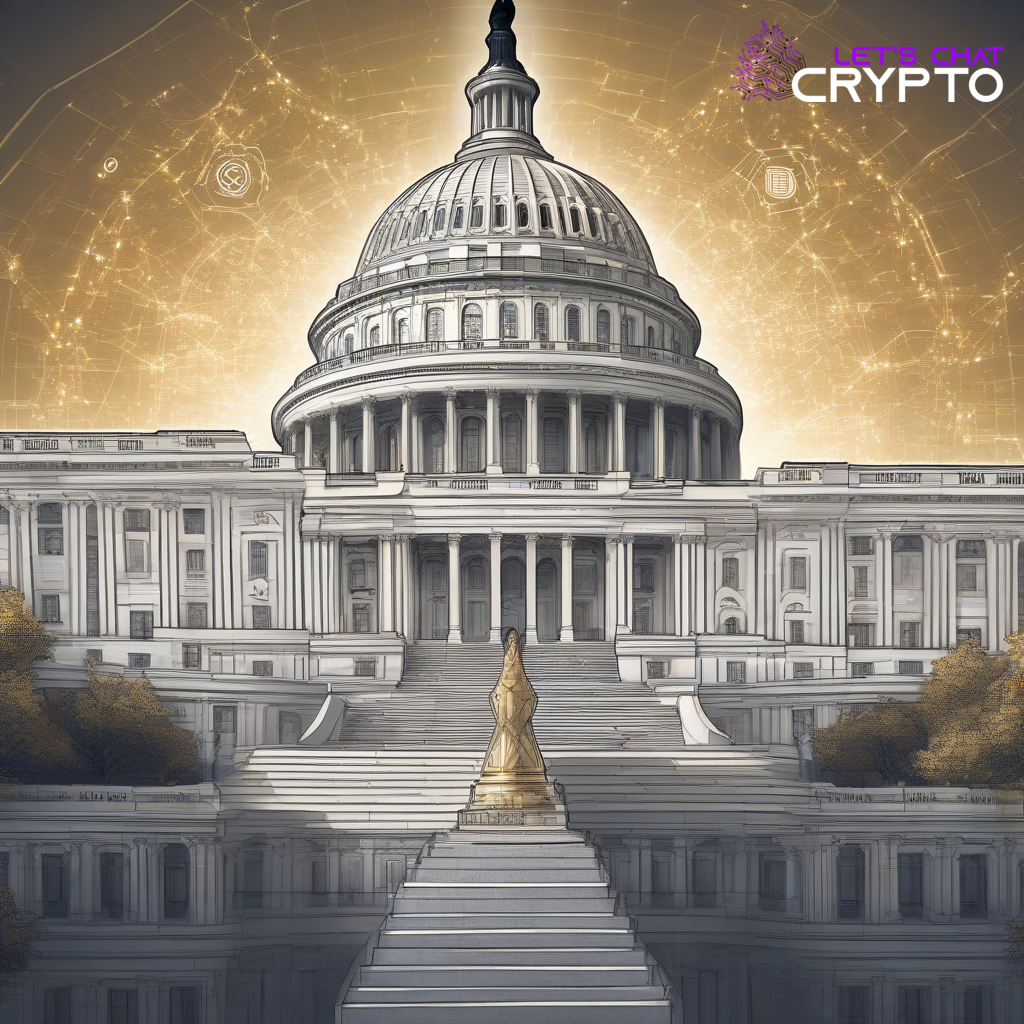
The ambitious bid to impose a durable market structure on the burgeoning crypto industry through the US Clarity Act, or similar legislative efforts like the FIT21 Act, has devolved into a complex four-way deadlock. This legislative paralysis underscores fundamental disagreements among key stakeholders over jurisdiction, market design, revenue streams, and the extent to which existing financial regulations should govern novel digital assets.
The Quest for Clarity
Originally conceived to provide much-needed regulatory certainty, bills like the Clarity Act sought to delineate clear boundaries for digital assets. The core objective was to establish whether a cryptocurrency functions as a security, falling under the purview of the Securities and Exchange Commission (SEC), or a commodity, regulated by the Commodity Futures Trading Commission (CFTC). This distinction is pivotal for market participants, offering a stable environment for innovation and investment.
The Four Pillars of Impasse
The current gridlock stems from divergent interests and clashing regulatory philosophies, creating a stalemate that each primary player has the power to resolve, yet none are willing to concede.
1. The Securities and Exchange Commission (SEC)
Under Chairman Gary Gensler, the SEC maintains an assertive stance, largely viewing most cryptocurrencies as unregistered securities. The agency advocates for applying existing securities laws, arguing they are robust enough to cover digital assets and protect investors. The SEC is reluctant to cede jurisdiction, believing a carve-out for crypto would undermine established regulatory principles and potentially expose investors to undue risk.
2. The Commodity Futures Trading Commission (CFTC)
In contrast, the CFTC, led by Chairman Rostin Behnam, has actively sought expanded authority over the spot markets for digital commodities. The agency contends that many cryptocurrencies function more like commodities and require a dedicated regulatory framework that acknowledges their unique technological characteristics. The CFTC sees itself as the more appropriate primary regulator for a significant portion of the crypto market, aiming to foster innovation while ensuring market integrity.
3. The Crypto Industry and Innovators
The industry, ranging from startups to established exchanges, desperately seeks regulatory clarity. Their primary concern is the current uncertainty, which often forces them into a reactive "regulation by enforcement" environment. Many industry participants advocate for a framework that is purpose-built for digital assets, often favoring the CFTC's approach over what they perceive as the SEC's restrictive and outdated interpretations. They seek clear rules to innovate, attract investment, and operate within the United States without fear of arbitrary legal action.
4. Congressional Divisions and Political Dynamics
Within Congress, bipartisan efforts to legislate crypto regulation have been met with significant internal divisions. While some lawmakers push for comprehensive bills that codify jurisdictional lines and establish consumer protections, others express caution, citing concerns about market volatility, illicit finance, and the potential for regulatory arbitrage. The political landscape, coupled with differing ideological approaches to market intervention and innovation, makes consensus building exceptionally challenging, allowing the deadlock to persist.
Consequences of Stalled Legislation
The ongoing regulatory ambiguity has tangible consequences. It fosters an environment of legal uncertainty, potentially stifling innovation within the United States as companies explore more hospitable jurisdictions. Investors face heightened risks due to inconsistent enforcement actions and a lack of standardized disclosures. Furthermore, the absence of clear rules complicates efforts to combat illicit financial activities and integrate digital assets into the broader financial system responsibly.
Summary
The US Clarity Act, and similar legislative proposals, remains trapped in a profound four-way deadlock, preventing the establishment of a clear, durable regulatory framework for digital assets. The Securities and Exchange Commission, the Commodity Futures Trading Commission, the crypto industry, and a divided Congress each hold distinct interests and the power to influence the legislative outcome. Until a delicate balance can be struck, reconciling the imperative for investor protection with the drive for technological innovation, the digital asset landscape in the U.S. will likely continue to navigate a path of uncertainty and piecemeal enforcement.
Resources
- Congressional Research Service (CRS) Reports on Digital Asset Legislation
- Statements and Testimonies by SEC Chairman Gary Gensler and CFTC Chairman Rostin Behnam
- Analysis from Reputable Financial News Outlets (e.g., Bloomberg, Wall Street Journal) on US Crypto Policy
Details
Author
Top articles





 }})
You can now watch HBO Max for $10
Latest articles




You can now watch HBO Max for $10
The ambitious bid to impose a durable market structure on the burgeoning crypto industry through the US Clarity Act, or similar legislative efforts like the FIT21 Act, has devolved into a complex four-way deadlock. This legislative paralysis underscores fundamental disagreements among key stakeholders over jurisdiction, market design, revenue streams, and the extent to which existing financial regulations should govern novel digital assets.
The Quest for Clarity
Originally conceived to provide much-needed regulatory certainty, bills like the Clarity Act sought to delineate clear boundaries for digital assets. The core objective was to establish whether a cryptocurrency functions as a security, falling under the purview of the Securities and Exchange Commission (SEC), or a commodity, regulated by the Commodity Futures Trading Commission (CFTC). This distinction is pivotal for market participants, offering a stable environment for innovation and investment.
The Four Pillars of Impasse
The current gridlock stems from divergent interests and clashing regulatory philosophies, creating a stalemate that each primary player has the power to resolve, yet none are willing to concede.
1. The Securities and Exchange Commission (SEC)
Under Chairman Gary Gensler, the SEC maintains an assertive stance, largely viewing most cryptocurrencies as unregistered securities. The agency advocates for applying existing securities laws, arguing they are robust enough to cover digital assets and protect investors. The SEC is reluctant to cede jurisdiction, believing a carve-out for crypto would undermine established regulatory principles and potentially expose investors to undue risk.
2. The Commodity Futures Trading Commission (CFTC)
In contrast, the CFTC, led by Chairman Rostin Behnam, has actively sought expanded authority over the spot markets for digital commodities. The agency contends that many cryptocurrencies function more like commodities and require a dedicated regulatory framework that acknowledges their unique technological characteristics. The CFTC sees itself as the more appropriate primary regulator for a significant portion of the crypto market, aiming to foster innovation while ensuring market integrity.
3. The Crypto Industry and Innovators
The industry, ranging from startups to established exchanges, desperately seeks regulatory clarity. Their primary concern is the current uncertainty, which often forces them into a reactive "regulation by enforcement" environment. Many industry participants advocate for a framework that is purpose-built for digital assets, often favoring the CFTC's approach over what they perceive as the SEC's restrictive and outdated interpretations. They seek clear rules to innovate, attract investment, and operate within the United States without fear of arbitrary legal action.
4. Congressional Divisions and Political Dynamics
Within Congress, bipartisan efforts to legislate crypto regulation have been met with significant internal divisions. While some lawmakers push for comprehensive bills that codify jurisdictional lines and establish consumer protections, others express caution, citing concerns about market volatility, illicit finance, and the potential for regulatory arbitrage. The political landscape, coupled with differing ideological approaches to market intervention and innovation, makes consensus building exceptionally challenging, allowing the deadlock to persist.
Consequences of Stalled Legislation
The ongoing regulatory ambiguity has tangible consequences. It fosters an environment of legal uncertainty, potentially stifling innovation within the United States as companies explore more hospitable jurisdictions. Investors face heightened risks due to inconsistent enforcement actions and a lack of standardized disclosures. Furthermore, the absence of clear rules complicates efforts to combat illicit financial activities and integrate digital assets into the broader financial system responsibly.
Summary
The US Clarity Act, and similar legislative proposals, remains trapped in a profound four-way deadlock, preventing the establishment of a clear, durable regulatory framework for digital assets. The Securities and Exchange Commission, the Commodity Futures Trading Commission, the crypto industry, and a divided Congress each hold distinct interests and the power to influence the legislative outcome. Until a delicate balance can be struck, reconciling the imperative for investor protection with the drive for technological innovation, the digital asset landscape in the U.S. will likely continue to navigate a path of uncertainty and piecemeal enforcement.
Resources
- Congressional Research Service (CRS) Reports on Digital Asset Legislation
- Statements and Testimonies by SEC Chairman Gary Gensler and CFTC Chairman Rostin Behnam
- Analysis from Reputable Financial News Outlets (e.g., Bloomberg, Wall Street Journal) on US Crypto Policy
Top articles
You can now watch HBO Max for $10
Latest articles
You can now watch HBO Max for $10
Similar posts




This is a page that only logged-in people can visit. Don't you feel special? Try clicking on a button below to do some things you can't do when you're logged out.
Example modal
At your leisure, please peruse this excerpt from a whale of a tale.
Chapter 1: Loomings.
Call me Ishmael. Some years ago—never mind how long precisely—having little or no money in my purse, and nothing particular to interest me on shore, I thought I would sail about a little and see the watery part of the world. It is a way I have of driving off the spleen and regulating the circulation. Whenever I find myself growing grim about the mouth; whenever it is a damp, drizzly November in my soul; whenever I find myself involuntarily pausing before coffin warehouses, and bringing up the rear of every funeral I meet; and especially whenever my hypos get such an upper hand of me, that it requires a strong moral principle to prevent me from deliberately stepping into the street, and methodically knocking people's hats off—then, I account it high time to get to sea as soon as I can. This is my substitute for pistol and ball. With a philosophical flourish Cato throws himself upon his sword; I quietly take to the ship. There is nothing surprising in this. If they but knew it, almost all men in their degree, some time or other, cherish very nearly the same feelings towards the ocean with me.
Comment