Zcash (ZEC): Unpacking the Privacy Cryptocurrency Powered by Zero-Knowledge Proofs
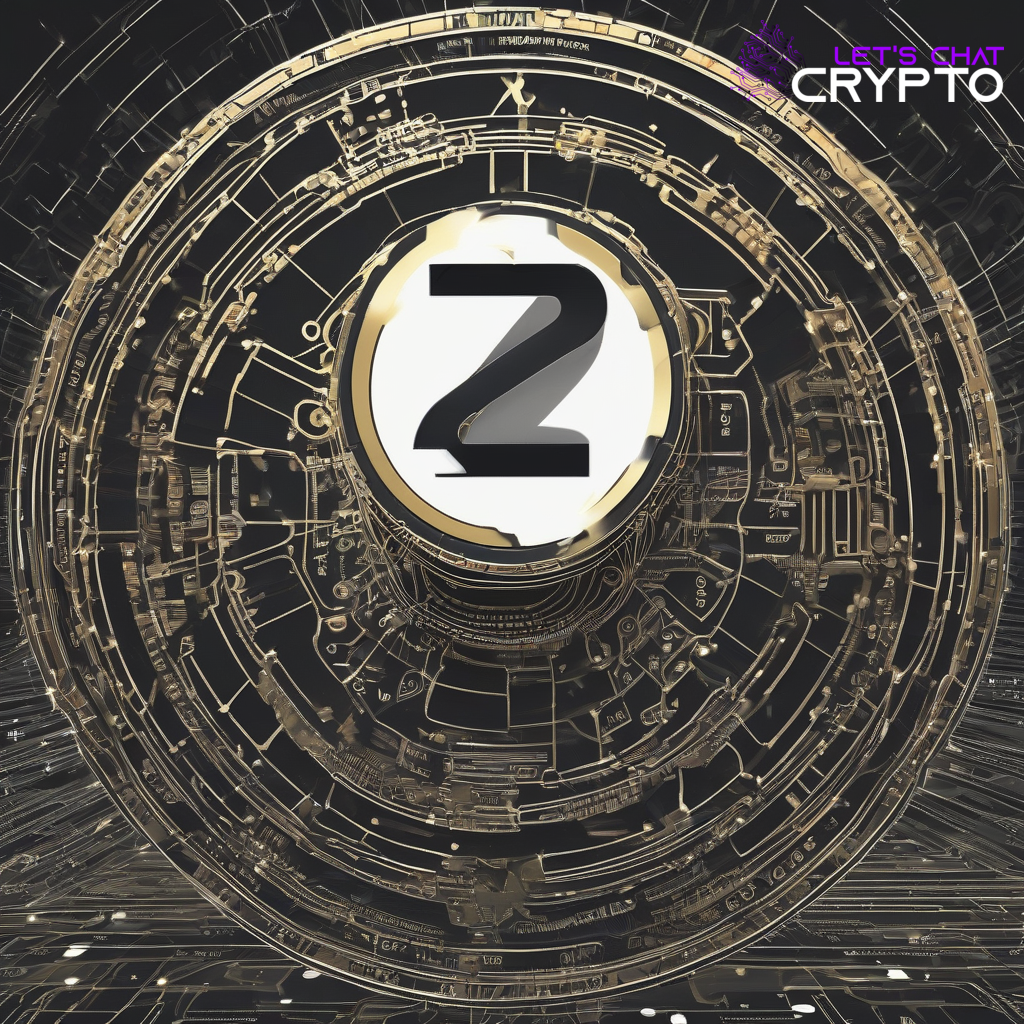
Introduction: The Quest for Transactional Privacy
In an increasingly transparent digital economy, the emergence of cryptocurrencies promising enhanced transactional privacy has garnered significant attention. Among these, Zcash (ZEC) stands out, leveraging advanced cryptographic techniques to offer users the ability to conduct transactions with obscured details. Unlike many conventional digital assets where transaction histories are openly accessible on a public ledger, Zcash provides a crucial layer of confidentiality, addressing a key concern for individuals and organizations seeking to maintain financial discretion.
Zcash and the Power of Zero-Knowledge Proofs (zk-SNARKs)
At the core of Zcash's privacy architecture lies a groundbreaking cryptographic primitive known as zk-SNARKs (Zero-Knowledge Succinct Non-Interactive Argument of Knowledge). This technology allows one party (the prover) to prove to another party (the verifier) that a statement is true, without revealing any information about the statement itself beyond its validity. In the context of Zcash, this means that the network can verify the legitimacy of a transaction—confirming that the sender has sufficient funds and that no double-spending has occurred—without exposing the sender, recipient, or the transaction amount.
Zcash introduces two primary types of addresses: transparent (t-addresses) and shielded (z-addresses). Transactions between t-addresses function similarly to those on Bitcoin, with all details publicly recorded. However, when users opt for shielded transactions between z-addresses, zk-SNARKs come into play. These proofs cryptographically ensure that the sender possesses the necessary private keys, that the input values equal the output values, and that the transaction abides by network rules, all while keeping the actual values and addresses confidential. This selective disclosure mechanism empowers users to choose their desired level of privacy, from fully transparent to completely shielded.
Implications and Use Cases for ZEC
The privacy features inherent in Zcash open up a range of potential implications and use cases. For individuals, it offers a means to conduct financial activities without their spending habits being scrutinized by third parties. This can be particularly appealing in scenarios where financial privacy is paramount, such as protecting business proprietary information or safeguarding personal financial data from unwarranted surveillance.
Furthermore, Zcash's ability to obscure transaction metadata could prove valuable for enterprises seeking to utilize blockchain technology while maintaining commercial confidentiality. Supply chain management, inter-company settlements, and intellectual property transfers could benefit from the assurance that sensitive financial flows remain private. The optionality of privacy—allowing users to reveal transaction details when legally required or for auditing purposes—provides a critical balance between confidentiality and accountability.
Summary
Zcash stands as a significant innovation in the realm of cryptocurrencies, offering a robust solution for transactional privacy through its pioneering use of zk-SNARKs. By enabling verifiable yet confidential transactions, Zcash addresses a fundamental demand for financial discretion in the digital age. Its dual address system allows users to tailor their privacy settings, ensuring flexibility while upholding the integrity and security of the underlying blockchain network. As the landscape of digital finance evolves, Zcash's approach to privacy will likely continue to influence the development of secure and confidential financial technologies.
Resources
Details
Author
Top articles



 }})
You can now watch HBO Max for $10
Latest articles



You can now watch HBO Max for $10
Introduction: The Quest for Transactional Privacy
In an increasingly transparent digital economy, the emergence of cryptocurrencies promising enhanced transactional privacy has garnered significant attention. Among these, Zcash (ZEC) stands out, leveraging advanced cryptographic techniques to offer users the ability to conduct transactions with obscured details. Unlike many conventional digital assets where transaction histories are openly accessible on a public ledger, Zcash provides a crucial layer of confidentiality, addressing a key concern for individuals and organizations seeking to maintain financial discretion.
Zcash and the Power of Zero-Knowledge Proofs (zk-SNARKs)
At the core of Zcash's privacy architecture lies a groundbreaking cryptographic primitive known as zk-SNARKs (Zero-Knowledge Succinct Non-Interactive Argument of Knowledge). This technology allows one party (the prover) to prove to another party (the verifier) that a statement is true, without revealing any information about the statement itself beyond its validity. In the context of Zcash, this means that the network can verify the legitimacy of a transaction—confirming that the sender has sufficient funds and that no double-spending has occurred—without exposing the sender, recipient, or the transaction amount.
Zcash introduces two primary types of addresses: transparent (t-addresses) and shielded (z-addresses). Transactions between t-addresses function similarly to those on Bitcoin, with all details publicly recorded. However, when users opt for shielded transactions between z-addresses, zk-SNARKs come into play. These proofs cryptographically ensure that the sender possesses the necessary private keys, that the input values equal the output values, and that the transaction abides by network rules, all while keeping the actual values and addresses confidential. This selective disclosure mechanism empowers users to choose their desired level of privacy, from fully transparent to completely shielded.
Implications and Use Cases for ZEC
The privacy features inherent in Zcash open up a range of potential implications and use cases. For individuals, it offers a means to conduct financial activities without their spending habits being scrutinized by third parties. This can be particularly appealing in scenarios where financial privacy is paramount, such as protecting business proprietary information or safeguarding personal financial data from unwarranted surveillance.
Furthermore, Zcash's ability to obscure transaction metadata could prove valuable for enterprises seeking to utilize blockchain technology while maintaining commercial confidentiality. Supply chain management, inter-company settlements, and intellectual property transfers could benefit from the assurance that sensitive financial flows remain private. The optionality of privacy—allowing users to reveal transaction details when legally required or for auditing purposes—provides a critical balance between confidentiality and accountability.
Summary
Zcash stands as a significant innovation in the realm of cryptocurrencies, offering a robust solution for transactional privacy through its pioneering use of zk-SNARKs. By enabling verifiable yet confidential transactions, Zcash addresses a fundamental demand for financial discretion in the digital age. Its dual address system allows users to tailor their privacy settings, ensuring flexibility while upholding the integrity and security of the underlying blockchain network. As the landscape of digital finance evolves, Zcash's approach to privacy will likely continue to influence the development of secure and confidential financial technologies.
Resources
Top articles
You can now watch HBO Max for $10
Latest articles
You can now watch HBO Max for $10
Similar posts

This is a page that only logged-in people can visit. Don't you feel special? Try clicking on a button below to do some things you can't do when you're logged out.
Example modal
At your leisure, please peruse this excerpt from a whale of a tale.
Chapter 1: Loomings.
Call me Ishmael. Some years ago—never mind how long precisely—having little or no money in my purse, and nothing particular to interest me on shore, I thought I would sail about a little and see the watery part of the world. It is a way I have of driving off the spleen and regulating the circulation. Whenever I find myself growing grim about the mouth; whenever it is a damp, drizzly November in my soul; whenever I find myself involuntarily pausing before coffin warehouses, and bringing up the rear of every funeral I meet; and especially whenever my hypos get such an upper hand of me, that it requires a strong moral principle to prevent me from deliberately stepping into the street, and methodically knocking people's hats off—then, I account it high time to get to sea as soon as I can. This is my substitute for pistol and ball. With a philosophical flourish Cato throws himself upon his sword; I quietly take to the ship. There is nothing surprising in this. If they but knew it, almost all men in their degree, some time or other, cherish very nearly the same feelings towards the ocean with me.
Comment