Marathon Digital Signals Strategic Pivot: Miner Considers Selling Bitcoin Holdings for Balance Sheet Flexibility

Marathon Digital's Strategic Shift: A New Era for Bitcoin Miners?
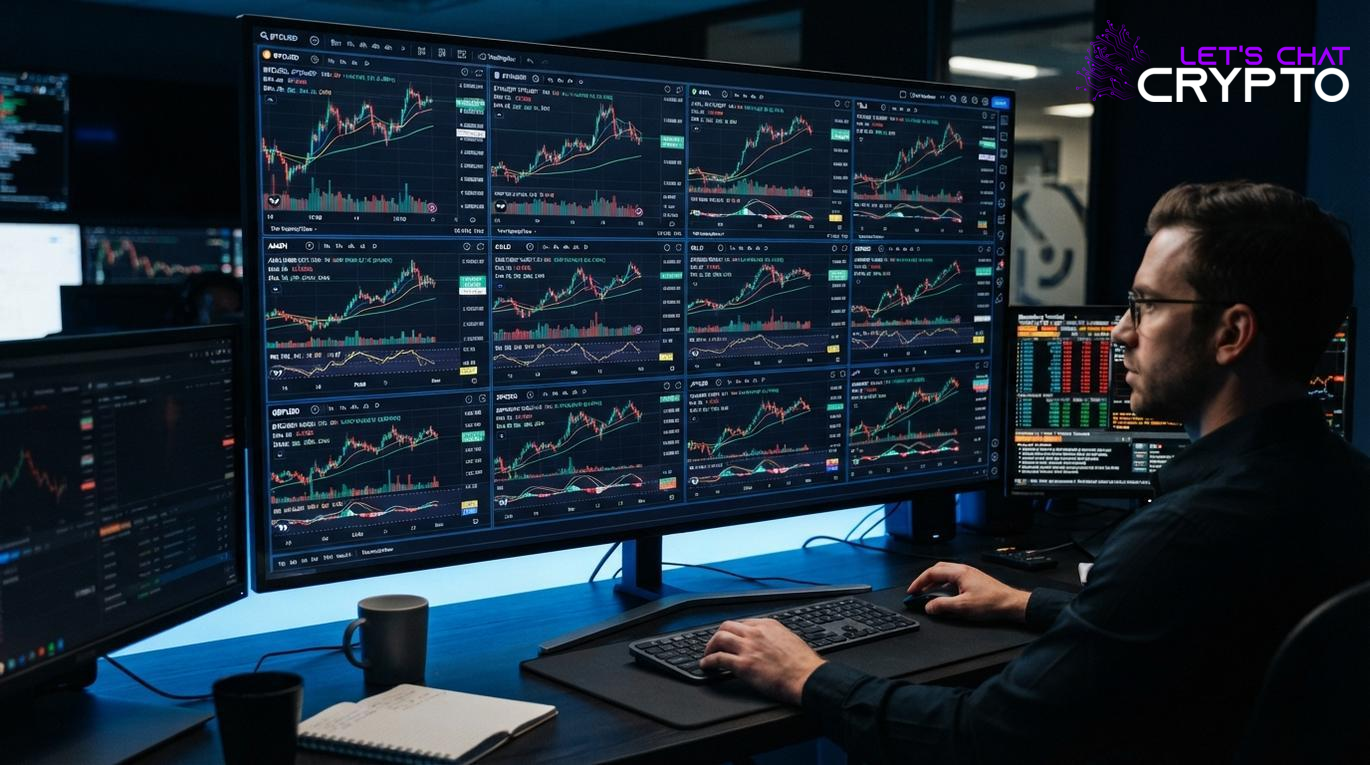
Marathon Digital Holdings (NASDAQ: MARA), a prominent publicly traded Bitcoin miner, has signaled a significant departure from its long-standing "hodl" strategy, indicating it may sell portions of its Bitcoin holdings. This potential shift, disclosed in a recent U.S. Securities and Exchange Commission (SEC) filing, reflects a broader re-evaluation of financial management within the Bitcoin mining industry, particularly in the wake of the recent halving event.
From Accumulation to Dynamic Management
For years, many large-scale Bitcoin miners, including Marathon, have adhered to a strategy of accumulating mined Bitcoin on their balance sheets, banking on long-term price appreciation. This approach, often termed "hodling," minimized immediate selling pressure on the asset but also limited operational flexibility. However, recent disclosures from Marathon suggest a pivot towards a more dynamic capital allocation strategy. The firm indicated that future sales of its mined Bitcoin could be leveraged to fund operational expenses, invest in growth initiatives such as expanding mining capacity or acquiring new facilities, and generally enhance its balance sheet liquidity.
This strategic recalibration underscores the evolving financial landscape for publicly traded miners. The Bitcoin halving, which dramatically reduced block rewards, has intensified the need for efficient capital management and diversified revenue streams. By potentially monetizing its Bitcoin reserves, Marathon aims to navigate post-halving economics more effectively, ensuring sustained growth and operational resilience without solely relying on external financing or the consistent upward trajectory of Bitcoin's price.
Market Implications and Industry Trends
Marathon's decision could set a precedent for other large-scale miners facing similar pressures. A collective move by major mining entities to sell a portion of their Bitcoin reserves to cover costs or fund expansion could introduce increased selling pressure into the market. Conversely, it could also signal a maturation of the industry, where companies prioritize sustainable business models over speculative asset accumulation. The flexibility afforded by selling Bitcoin might enable miners to upgrade their fleets with more efficient hardware, pursue strategic mergers and acquisitions, or invest in renewable energy sources, thereby strengthening their long-term competitive positions.
Summary
Marathon Digital Holdings is exploring a significant strategic shift, moving away from a strict Bitcoin accumulation policy towards a more adaptable approach that includes the potential sale of its BTC holdings. This evolution in strategy, highlighted in a recent SEC filing, aims to bolster the company's financial flexibility, facilitate funding for operations and growth, and adapt to the challenging economics presented by the Bitcoin halving. The industry will be watching closely to see if other miners follow suit, potentially ushering in a new era of balance sheet management within the Bitcoin mining sector.
Resources
- Marathon Digital Holdings Q1 2024 Earnings Report and Form 10-Q (SEC Filing)
- CoinDesk
- Bloomberg
Details
Author
Top articles




 }})
You can now watch HBO Max for $10
Latest articles



You can now watch HBO Max for $10
Marathon Digital's Strategic Shift: A New Era for Bitcoin Miners?
Marathon Digital Holdings (NASDAQ: MARA), a prominent publicly traded Bitcoin miner, has signaled a significant departure from its long-standing "hodl" strategy, indicating it may sell portions of its Bitcoin holdings. This potential shift, disclosed in a recent U.S. Securities and Exchange Commission (SEC) filing, reflects a broader re-evaluation of financial management within the Bitcoin mining industry, particularly in the wake of the recent halving event.
From Accumulation to Dynamic Management
For years, many large-scale Bitcoin miners, including Marathon, have adhered to a strategy of accumulating mined Bitcoin on their balance sheets, banking on long-term price appreciation. This approach, often termed "hodling," minimized immediate selling pressure on the asset but also limited operational flexibility. However, recent disclosures from Marathon suggest a pivot towards a more dynamic capital allocation strategy. The firm indicated that future sales of its mined Bitcoin could be leveraged to fund operational expenses, invest in growth initiatives such as expanding mining capacity or acquiring new facilities, and generally enhance its balance sheet liquidity.
This strategic recalibration underscores the evolving financial landscape for publicly traded miners. The Bitcoin halving, which dramatically reduced block rewards, has intensified the need for efficient capital management and diversified revenue streams. By potentially monetizing its Bitcoin reserves, Marathon aims to navigate post-halving economics more effectively, ensuring sustained growth and operational resilience without solely relying on external financing or the consistent upward trajectory of Bitcoin's price.
Market Implications and Industry Trends
Marathon's decision could set a precedent for other large-scale miners facing similar pressures. A collective move by major mining entities to sell a portion of their Bitcoin reserves to cover costs or fund expansion could introduce increased selling pressure into the market. Conversely, it could also signal a maturation of the industry, where companies prioritize sustainable business models over speculative asset accumulation. The flexibility afforded by selling Bitcoin might enable miners to upgrade their fleets with more efficient hardware, pursue strategic mergers and acquisitions, or invest in renewable energy sources, thereby strengthening their long-term competitive positions.
Summary
Marathon Digital Holdings is exploring a significant strategic shift, moving away from a strict Bitcoin accumulation policy towards a more adaptable approach that includes the potential sale of its BTC holdings. This evolution in strategy, highlighted in a recent SEC filing, aims to bolster the company's financial flexibility, facilitate funding for operations and growth, and adapt to the challenging economics presented by the Bitcoin halving. The industry will be watching closely to see if other miners follow suit, potentially ushering in a new era of balance sheet management within the Bitcoin mining sector.
Resources
- Marathon Digital Holdings Q1 2024 Earnings Report and Form 10-Q (SEC Filing)
- CoinDesk
- Bloomberg
Top articles
You can now watch HBO Max for $10
Latest articles
You can now watch HBO Max for $10
Similar posts



This is a page that only logged-in people can visit. Don't you feel special? Try clicking on a button below to do some things you can't do when you're logged out.
Example modal
At your leisure, please peruse this excerpt from a whale of a tale.
Chapter 1: Loomings.
Call me Ishmael. Some years ago—never mind how long precisely—having little or no money in my purse, and nothing particular to interest me on shore, I thought I would sail about a little and see the watery part of the world. It is a way I have of driving off the spleen and regulating the circulation. Whenever I find myself growing grim about the mouth; whenever it is a damp, drizzly November in my soul; whenever I find myself involuntarily pausing before coffin warehouses, and bringing up the rear of every funeral I meet; and especially whenever my hypos get such an upper hand of me, that it requires a strong moral principle to prevent me from deliberately stepping into the street, and methodically knocking people's hats off—then, I account it high time to get to sea as soon as I can. This is my substitute for pistol and ball. With a philosophical flourish Cato throws himself upon his sword; I quietly take to the ship. There is nothing surprising in this. If they but knew it, almost all men in their degree, some time or other, cherish very nearly the same feelings towards the ocean with me.
Comment