Arkham Exchange Shifts to Decentralized Model Amidst Record DEX Derivatives Surge

Arkham's Strategic Pivot to Decentralization
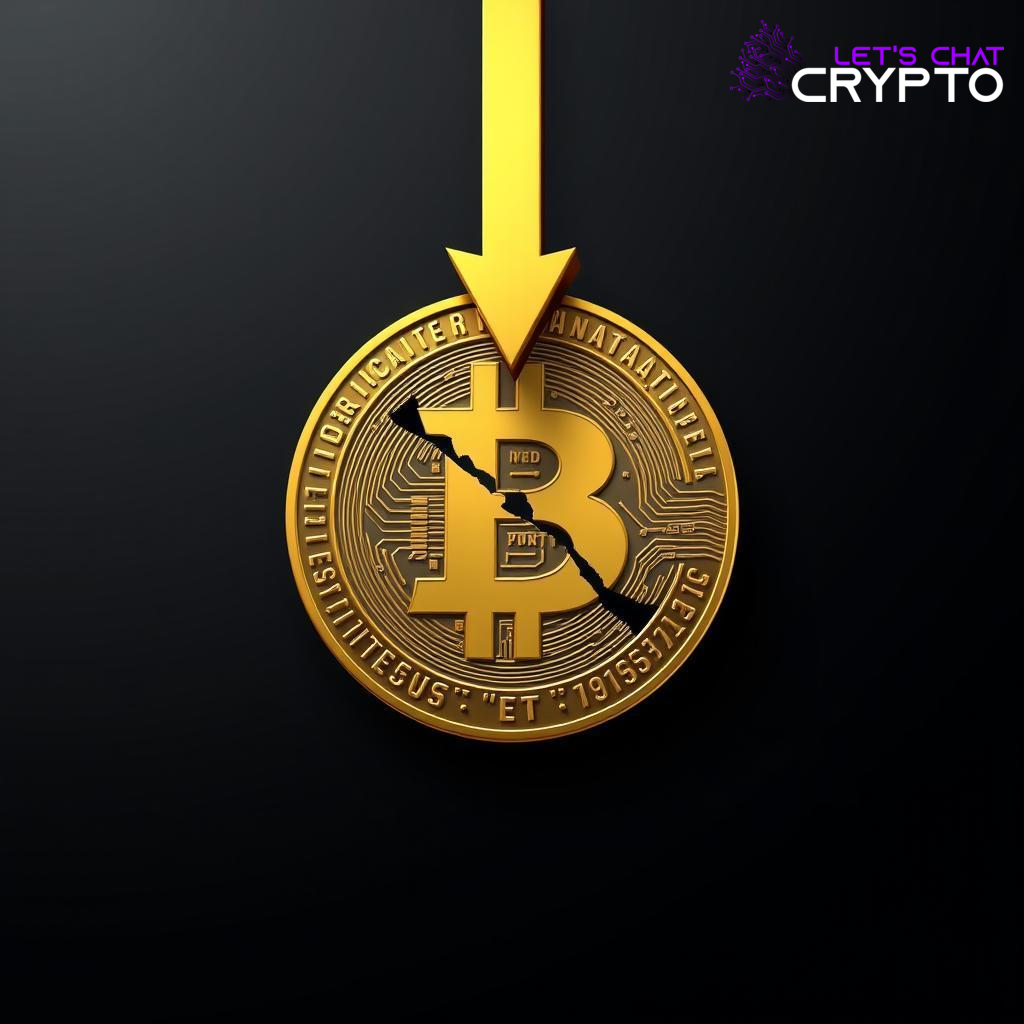
In a significant strategic maneuver, Arkham Exchange is reportedly transitioning from a centralized exchange (CEX) model to a fully decentralized platform. This pivot comes directly from the Arkham CEO, who has vociferously denied recent shutdown rumors that circulated within the crypto community. The move is particularly noteworthy given the current explosive growth observed in the decentralized derivatives sector, signaling a calculated response to evolving market dynamics and investor preferences.
The decision to embrace a decentralized architecture positions Arkham to capitalize on the increasing demand for non-custodial trading solutions. Decentralized exchanges (DEXs) offer users greater control over their assets, transparency through on-chain operations, and often, enhanced privacy—factors that are becoming increasingly paramount for participants in the digital asset space. This shift is not merely a change in operational structure but reflects a fundamental realignment with the core ethos of blockchain technology.
The Rise of DEX Derivatives and Market Context
The backdrop to Arkham's strategic pivot is a robust and rapidly expanding market for decentralized derivatives. Data indicates that trading volumes and user adoption within DEX derivatives platforms have reached unprecedented levels. This surge is driven by innovations in smart contract technology, improved liquidity solutions, and a growing user base seeking alternatives to traditional, centralized financial instruments.
The appeal of DEX derivatives lies in their permissionless nature and resistance to censorship, allowing global participation without the intermediaries often associated with CEXs. As regulatory scrutiny on centralized entities intensifies across various jurisdictions, the decentralized model offers a pathway for sustained operation and growth, particularly in complex financial products like derivatives.
Implications for the Crypto Ecosystem
Arkham's transition could have broader implications for the competitive landscape of cryptocurrency exchanges. By abandoning the CEX model, Arkham is aligning itself with a segment of the market that prioritizes self-custody and on-chain governance. This move could inspire other centralized exchanges to explore similar hybrid or fully decentralized models, further accelerating the trend towards a more open and transparent financial system.
However, the transition is not without its challenges. Decentralized platforms must address issues such as user experience, scalability, and security vulnerabilities inherent in smart contract design. Arkham's success will hinge on its ability to build a robust, user-friendly, and secure decentralized infrastructure that can effectively compete with established DEX players and attract liquidity.
Summary
Arkham Exchange's strategic decision to pivot towards a fully decentralized platform marks a significant moment in its operational history and potentially for the broader crypto industry. Driven by the CEO's denial of shutdown reports and an acknowledgement of the booming DEX derivatives market, this move aims to leverage the benefits of decentralization, including enhanced user control and transparency. While challenges remain, the shift underscores a growing industry trend towards non-custodial solutions and on-chain governance, reflecting a proactive adaptation to both market demand and evolving regulatory landscapes.
Resources
- CoinDesk
- The Block
- CryptoSlate
Details
Author
Top articles




 }})
You can now watch HBO Max for $10
Latest articles



You can now watch HBO Max for $10
Arkham's Strategic Pivot to Decentralization
In a significant strategic maneuver, Arkham Exchange is reportedly transitioning from a centralized exchange (CEX) model to a fully decentralized platform. This pivot comes directly from the Arkham CEO, who has vociferously denied recent shutdown rumors that circulated within the crypto community. The move is particularly noteworthy given the current explosive growth observed in the decentralized derivatives sector, signaling a calculated response to evolving market dynamics and investor preferences.
The decision to embrace a decentralized architecture positions Arkham to capitalize on the increasing demand for non-custodial trading solutions. Decentralized exchanges (DEXs) offer users greater control over their assets, transparency through on-chain operations, and often, enhanced privacy—factors that are becoming increasingly paramount for participants in the digital asset space. This shift is not merely a change in operational structure but reflects a fundamental realignment with the core ethos of blockchain technology.
The Rise of DEX Derivatives and Market Context
The backdrop to Arkham's strategic pivot is a robust and rapidly expanding market for decentralized derivatives. Data indicates that trading volumes and user adoption within DEX derivatives platforms have reached unprecedented levels. This surge is driven by innovations in smart contract technology, improved liquidity solutions, and a growing user base seeking alternatives to traditional, centralized financial instruments.
The appeal of DEX derivatives lies in their permissionless nature and resistance to censorship, allowing global participation without the intermediaries often associated with CEXs. As regulatory scrutiny on centralized entities intensifies across various jurisdictions, the decentralized model offers a pathway for sustained operation and growth, particularly in complex financial products like derivatives.
Implications for the Crypto Ecosystem
Arkham's transition could have broader implications for the competitive landscape of cryptocurrency exchanges. By abandoning the CEX model, Arkham is aligning itself with a segment of the market that prioritizes self-custody and on-chain governance. This move could inspire other centralized exchanges to explore similar hybrid or fully decentralized models, further accelerating the trend towards a more open and transparent financial system.
However, the transition is not without its challenges. Decentralized platforms must address issues such as user experience, scalability, and security vulnerabilities inherent in smart contract design. Arkham's success will hinge on its ability to build a robust, user-friendly, and secure decentralized infrastructure that can effectively compete with established DEX players and attract liquidity.
Summary
Arkham Exchange's strategic decision to pivot towards a fully decentralized platform marks a significant moment in its operational history and potentially for the broader crypto industry. Driven by the CEO's denial of shutdown reports and an acknowledgement of the booming DEX derivatives market, this move aims to leverage the benefits of decentralization, including enhanced user control and transparency. While challenges remain, the shift underscores a growing industry trend towards non-custodial solutions and on-chain governance, reflecting a proactive adaptation to both market demand and evolving regulatory landscapes.
Resources
- CoinDesk
- The Block
- CryptoSlate
Top articles
You can now watch HBO Max for $10
Latest articles
You can now watch HBO Max for $10
Similar posts




This is a page that only logged-in people can visit. Don't you feel special? Try clicking on a button below to do some things you can't do when you're logged out.
Example modal
At your leisure, please peruse this excerpt from a whale of a tale.
Chapter 1: Loomings.
Call me Ishmael. Some years ago—never mind how long precisely—having little or no money in my purse, and nothing particular to interest me on shore, I thought I would sail about a little and see the watery part of the world. It is a way I have of driving off the spleen and regulating the circulation. Whenever I find myself growing grim about the mouth; whenever it is a damp, drizzly November in my soul; whenever I find myself involuntarily pausing before coffin warehouses, and bringing up the rear of every funeral I meet; and especially whenever my hypos get such an upper hand of me, that it requires a strong moral principle to prevent me from deliberately stepping into the street, and methodically knocking people's hats off—then, I account it high time to get to sea as soon as I can. This is my substitute for pistol and ball. With a philosophical flourish Cato throws himself upon his sword; I quietly take to the ship. There is nothing surprising in this. If they but knew it, almost all men in their degree, some time or other, cherish very nearly the same feelings towards the ocean with me.
Comment