RWA: From Skepticism to Mainstream Reality, Fueled by BlackRock's Institutional Embrace and Tokenization Drive
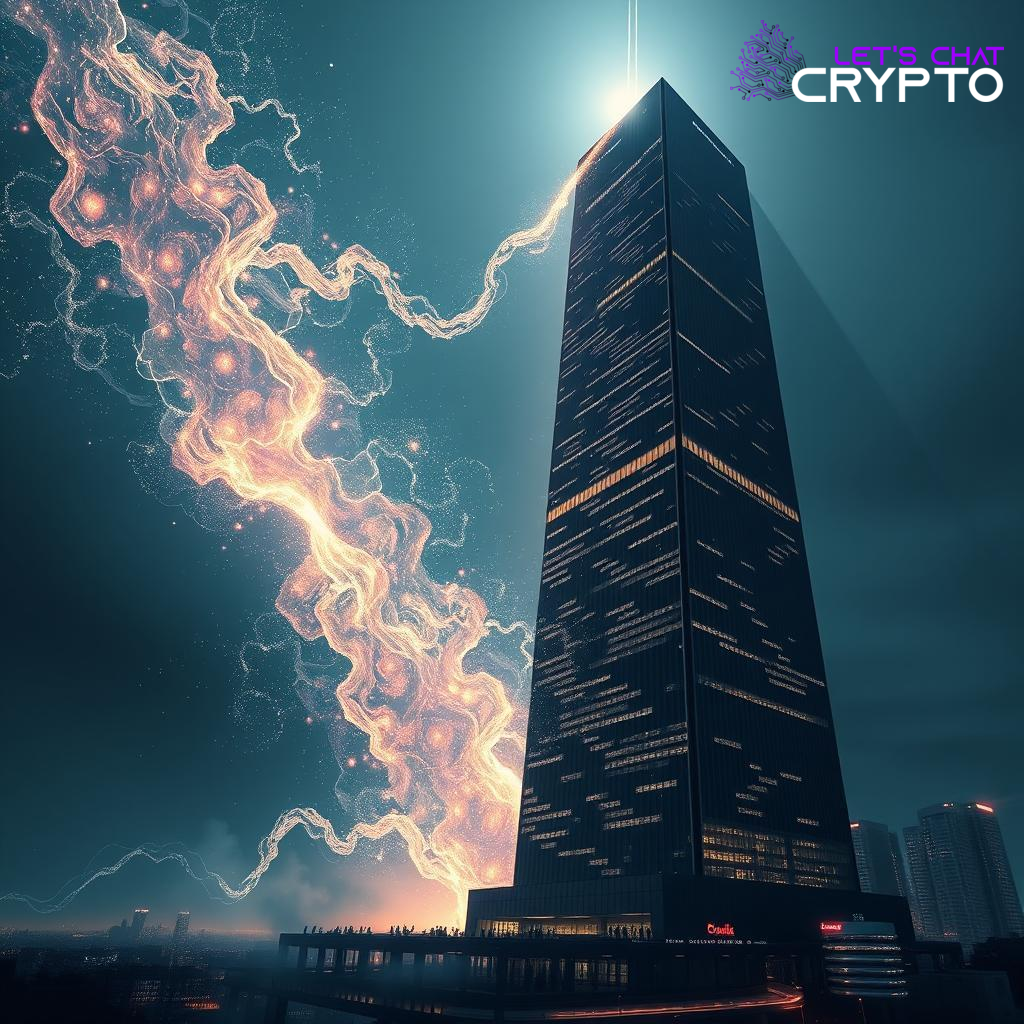
The Dawn of Tokenized Reality: Demystifying Real World Assets
Before we delve into the transformative shifts occurring within global finance, it is crucial to establish a clear understanding of Real World Assets (RWA). As the nomenclature suggests, RWA refers to tangible or traditional financial instruments—ranging from physical real estate and precious metals like gold to highly liquid assets such as U.S. Treasury bills and corporate equities—that are converted into digital tokens on a blockchain. This process, known as tokenization, essentially wraps the legal ownership and economic rights of an asset into a programmable digital representation.
The promise of RWA tokenization lies in its potential to democratize access, enhance liquidity, enable fractional ownership, and introduce unprecedented levels of transparency and efficiency to markets historically characterized by opacity and cumbersome manual processes. Imagine a world where a fractional share of a commercial property or a bond can be traded instantly, 24/7, across global digital rails.
From "Pipe Dream" to Pragmatic Reality
For years, the concept of tokenizing real-world assets lingered in the fringes of fintech innovation, often dismissed as a theoretical "pipe dream." Early proponents faced significant headwinds: nascent blockchain infrastructure, complex regulatory landscapes, and a profound lack of institutional confidence. The skepticism was understandable; bridging the chasm between immutable digital ledgers and entrenched legal frameworks governing physical assets presented formidable challenges.
However, the narrative began to shift dramatically as technological advancements matured, offering more robust and scalable blockchain solutions. Concurrently, a deeper understanding of legal and compliance frameworks emerged, paving the way for more structured and compliant tokenization platforms. The industry slowly began to witness pilot programs and niche applications, signaling a gradual transition from conceptual ideation to practical implementation.
BlackRock's Unmistakable Endorsement: A Market Catalyst
The definitive turning point arrived with the unequivocal entry of institutional behemoths. Leading this charge is BlackRock, the world's largest asset manager, whose recent moves have served as a powerful validation of the RWA thesis. Larry Fink, BlackRock's CEO, has been a vocal advocate for tokenization, articulating its potential to revolutionize financial markets by reducing costs and increasing efficiency.
In a landmark development, BlackRock launched the BlackRock USD Institutional Digital Liquidity Fund (BUILD) in collaboration with tokenization platform Securitize. This fund, tokenized on the Ethereum blockchain, primarily invests in U.S. Treasury bills and repurchase agreements. This strategic initiative by BlackRock is not merely an experiment; it represents a significant institutional embrace of digital asset technology to manage and distribute traditional financial products. It signals to the broader financial world that RWA tokenization is not just viable but is poised to become an integral component of future capital markets.
Implications and Future Outlook
BlackRock's involvement amplifies the credibility of RWA tokenization, potentially catalyzing broader adoption among other financial institutions. This institutional validation promises to unlock trillions of dollars in illiquid assets, transforming them into liquid, tradable digital instruments. The benefits extend beyond liquidity to include enhanced transparency, streamlined settlement processes, and the potential for greater financial inclusion by lowering barriers to investment.
However, challenges persist. Regulatory clarity remains an ongoing pursuit across various jurisdictions, and the interoperability between different blockchain networks and traditional financial systems requires further development. Despite these hurdles, the momentum is undeniable, pointing towards a future where tokenized real-world assets play a pivotal role in a more efficient, accessible, and transparent global financial ecosystem.
Summary
The journey of Real World Assets from a theoretical "pipe dream" to an undeniable reality has been punctuated by technological maturation and, critically, the strategic endorsement of major financial institutions like BlackRock. Their launch of tokenized funds on public blockchains marks a significant inflection point, signaling a broader institutional shift towards integrating digital asset technologies into mainstream finance. While challenges in regulation and interoperability remain, the trajectory for RWA tokenization is firmly set towards widespread adoption and the redefinition of asset ownership and trading.
Resources
- BlackRock Official Statements (e.g., press releases, investor calls regarding BUILD fund)
- Securitize.io (platform involved in BlackRock's BUILD fund)
- Reports from Boston Consulting Group or Citi on Tokenization and RWA Market Size Projections
Details
Author
Top articles


 }})
You can now watch HBO Max for $10
Latest articles


You can now watch HBO Max for $10
The Dawn of Tokenized Reality: Demystifying Real World Assets
Before we delve into the transformative shifts occurring within global finance, it is crucial to establish a clear understanding of Real World Assets (RWA). As the nomenclature suggests, RWA refers to tangible or traditional financial instruments—ranging from physical real estate and precious metals like gold to highly liquid assets such as U.S. Treasury bills and corporate equities—that are converted into digital tokens on a blockchain. This process, known as tokenization, essentially wraps the legal ownership and economic rights of an asset into a programmable digital representation.
The promise of RWA tokenization lies in its potential to democratize access, enhance liquidity, enable fractional ownership, and introduce unprecedented levels of transparency and efficiency to markets historically characterized by opacity and cumbersome manual processes. Imagine a world where a fractional share of a commercial property or a bond can be traded instantly, 24/7, across global digital rails.
From "Pipe Dream" to Pragmatic Reality
For years, the concept of tokenizing real-world assets lingered in the fringes of fintech innovation, often dismissed as a theoretical "pipe dream." Early proponents faced significant headwinds: nascent blockchain infrastructure, complex regulatory landscapes, and a profound lack of institutional confidence. The skepticism was understandable; bridging the chasm between immutable digital ledgers and entrenched legal frameworks governing physical assets presented formidable challenges.
However, the narrative began to shift dramatically as technological advancements matured, offering more robust and scalable blockchain solutions. Concurrently, a deeper understanding of legal and compliance frameworks emerged, paving the way for more structured and compliant tokenization platforms. The industry slowly began to witness pilot programs and niche applications, signaling a gradual transition from conceptual ideation to practical implementation.
BlackRock's Unmistakable Endorsement: A Market Catalyst
The definitive turning point arrived with the unequivocal entry of institutional behemoths. Leading this charge is BlackRock, the world's largest asset manager, whose recent moves have served as a powerful validation of the RWA thesis. Larry Fink, BlackRock's CEO, has been a vocal advocate for tokenization, articulating its potential to revolutionize financial markets by reducing costs and increasing efficiency.
In a landmark development, BlackRock launched the BlackRock USD Institutional Digital Liquidity Fund (BUILD) in collaboration with tokenization platform Securitize. This fund, tokenized on the Ethereum blockchain, primarily invests in U.S. Treasury bills and repurchase agreements. This strategic initiative by BlackRock is not merely an experiment; it represents a significant institutional embrace of digital asset technology to manage and distribute traditional financial products. It signals to the broader financial world that RWA tokenization is not just viable but is poised to become an integral component of future capital markets.
Implications and Future Outlook
BlackRock's involvement amplifies the credibility of RWA tokenization, potentially catalyzing broader adoption among other financial institutions. This institutional validation promises to unlock trillions of dollars in illiquid assets, transforming them into liquid, tradable digital instruments. The benefits extend beyond liquidity to include enhanced transparency, streamlined settlement processes, and the potential for greater financial inclusion by lowering barriers to investment.
However, challenges persist. Regulatory clarity remains an ongoing pursuit across various jurisdictions, and the interoperability between different blockchain networks and traditional financial systems requires further development. Despite these hurdles, the momentum is undeniable, pointing towards a future where tokenized real-world assets play a pivotal role in a more efficient, accessible, and transparent global financial ecosystem.
Summary
The journey of Real World Assets from a theoretical "pipe dream" to an undeniable reality has been punctuated by technological maturation and, critically, the strategic endorsement of major financial institutions like BlackRock. Their launch of tokenized funds on public blockchains marks a significant inflection point, signaling a broader institutional shift towards integrating digital asset technologies into mainstream finance. While challenges in regulation and interoperability remain, the trajectory for RWA tokenization is firmly set towards widespread adoption and the redefinition of asset ownership and trading.
Resources
- BlackRock Official Statements (e.g., press releases, investor calls regarding BUILD fund)
- Securitize.io (platform involved in BlackRock's BUILD fund)
- Reports from Boston Consulting Group or Citi on Tokenization and RWA Market Size Projections
Top articles
You can now watch HBO Max for $10
Latest articles
You can now watch HBO Max for $10
Similar posts
This is a page that only logged-in people can visit. Don't you feel special? Try clicking on a button below to do some things you can't do when you're logged out.
Example modal
At your leisure, please peruse this excerpt from a whale of a tale.
Chapter 1: Loomings.
Call me Ishmael. Some years ago—never mind how long precisely—having little or no money in my purse, and nothing particular to interest me on shore, I thought I would sail about a little and see the watery part of the world. It is a way I have of driving off the spleen and regulating the circulation. Whenever I find myself growing grim about the mouth; whenever it is a damp, drizzly November in my soul; whenever I find myself involuntarily pausing before coffin warehouses, and bringing up the rear of every funeral I meet; and especially whenever my hypos get such an upper hand of me, that it requires a strong moral principle to prevent me from deliberately stepping into the street, and methodically knocking people's hats off—then, I account it high time to get to sea as soon as I can. This is my substitute for pistol and ball. With a philosophical flourish Cato throws himself upon his sword; I quietly take to the ship. There is nothing surprising in this. If they but knew it, almost all men in their degree, some time or other, cherish very nearly the same feelings towards the ocean with me.
Comment