Treasury Demands Input on State Stablecoin Rules as Digital Dollar Market Matures
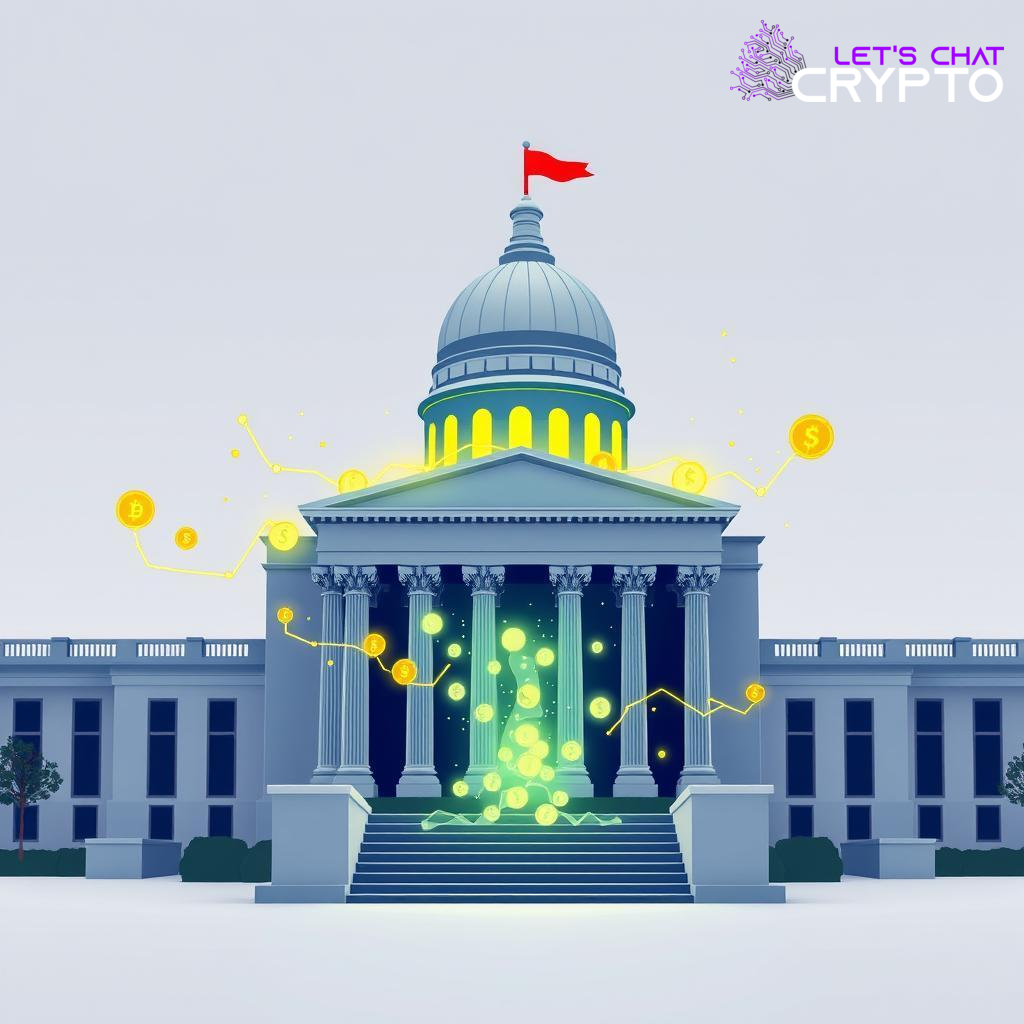
In a significant move signalling continued federal scrutiny of the rapidly evolving digital asset landscape, the U.S. Department of the Treasury has actively sought public input regarding the appropriate regulatory framework for state-level stablecoin activities. This initiative underscores a proactive approach to developing comprehensive oversight, catalyzed by a period when the market capitalization of dollar-pegged stablecoins rapidly approached $300 billion, highlighting their growing systemic importance and potential risks.
The Regulatory Imperative: Addressing a Maturing Market
The urgency for robust stablecoin regulation intensified as these digital assets demonstrated exponential growth, integrating more deeply into the broader financial system. While stablecoins offer potential benefits in payments and financial innovation, their rapid expansion also introduced concerns related to financial stability, consumer and investor protection, and the potential for illicit finance. Regulators, including the Treasury, recognized that a fragmented or inadequate regulatory landscape could pose significant risks, echoing calls from earlier reports by the President's Working Group on Financial Markets (PWG), the Federal Deposit Insurance Corporation (FDIC), and the Office of the Comptroller of the Currency (OCC).
Navigating the Federal-State Dynamic in Stablecoin Oversight
A central challenge in stablecoin regulation is reconciling federal objectives with existing state-level licensing and supervision for money transmission businesses. Many stablecoin issuers and service providers currently operate under state money transmitter licenses, creating a patchwork of varying requirements and oversight standards. The Treasury's efforts to gather public input aim to understand how these disparate state frameworks can be harmonized or how a more unified approach might be achieved to ensure consistent consumer safeguards and mitigate systemic risks without stifling innovation.
Key Areas for Public Input and Consideration
The Treasury’s request for information specifically targeted several critical aspects of state-level stablecoin regulation. These included:
- **Licensing and Prudential Standards:** Examining the adequacy of current state licensing requirements for stablecoin issuers and service providers, including capital requirements, risk management protocols, and governance structures.
- **Supervision and Examination:** Evaluating the effectiveness of state supervisory practices in monitoring stablecoin activities and ensuring compliance with regulatory obligations.
- **Consumer Protection:** Assessing how state laws protect users from fraud, mismanagement, and market manipulation, and exploring avenues for enhancing transparency and disclosure.
- **Interoperability and Systemic Risk:** Understanding how state-level regulations might impact the broader stablecoin ecosystem, including interconnections with traditional finance and potential systemic implications.
- **Resolution and Recovery:** Considering mechanisms for orderly resolution in the event of a stablecoin issuer's failure, ensuring consumer assets are protected.
Implications for the Digital Asset Ecosystem
The Treasury’s proactive engagement signals a pivotal moment for the stablecoin market. The eventual regulatory outcomes, informed by this public input, will likely shape the competitive landscape, influence technological development, and determine the future role of stablecoins within both traditional and digital finance. A clear, consistent, and robust regulatory framework is anticipated to foster greater institutional adoption and public confidence, while poorly designed rules could inadvertently stifle innovation or push activities offshore.
Conclusion: Shaping the Future of Digital Dollars
The U.S. Treasury's call for public input on state-level stablecoin regulations is a critical step toward establishing a coherent and effective oversight regime. By inviting diverse perspectives from industry participants, academics, and the public, the Treasury aims to forge a regulatory path that balances innovation with essential safeguards. The outcome of these deliberations will be instrumental in defining how dollar-pegged stablecoins are integrated into the financial system, ensuring their stability and utility for years to come.
Resources
- U.S. Department of the Treasury. Press Release: Treasury Seeks Public Input on Illicit Finance Risks, Opportunities, and Regulatory Approaches for Digital Assets (December 14, 2023)
- U.S. Department of the Treasury. Fact Sheet: Biden-Harris Administration’s Framework for Responsible Development of Digital Assets (September 16, 2022)
- President’s Working Group on Financial Markets, Federal Deposit Insurance Corporation, and Office of the Comptroller of the Currency. Report on Stablecoins (November 2021)
Details
Author
Top articles



 }})
You can now watch HBO Max for $10
Latest articles

You can now watch HBO Max for $10
In a significant move signalling continued federal scrutiny of the rapidly evolving digital asset landscape, the U.S. Department of the Treasury has actively sought public input regarding the appropriate regulatory framework for state-level stablecoin activities. This initiative underscores a proactive approach to developing comprehensive oversight, catalyzed by a period when the market capitalization of dollar-pegged stablecoins rapidly approached $300 billion, highlighting their growing systemic importance and potential risks.
The Regulatory Imperative: Addressing a Maturing Market
The urgency for robust stablecoin regulation intensified as these digital assets demonstrated exponential growth, integrating more deeply into the broader financial system. While stablecoins offer potential benefits in payments and financial innovation, their rapid expansion also introduced concerns related to financial stability, consumer and investor protection, and the potential for illicit finance. Regulators, including the Treasury, recognized that a fragmented or inadequate regulatory landscape could pose significant risks, echoing calls from earlier reports by the President's Working Group on Financial Markets (PWG), the Federal Deposit Insurance Corporation (FDIC), and the Office of the Comptroller of the Currency (OCC).
Navigating the Federal-State Dynamic in Stablecoin Oversight
A central challenge in stablecoin regulation is reconciling federal objectives with existing state-level licensing and supervision for money transmission businesses. Many stablecoin issuers and service providers currently operate under state money transmitter licenses, creating a patchwork of varying requirements and oversight standards. The Treasury's efforts to gather public input aim to understand how these disparate state frameworks can be harmonized or how a more unified approach might be achieved to ensure consistent consumer safeguards and mitigate systemic risks without stifling innovation.
Key Areas for Public Input and Consideration
The Treasury’s request for information specifically targeted several critical aspects of state-level stablecoin regulation. These included:
- **Licensing and Prudential Standards:** Examining the adequacy of current state licensing requirements for stablecoin issuers and service providers, including capital requirements, risk management protocols, and governance structures.
- **Supervision and Examination:** Evaluating the effectiveness of state supervisory practices in monitoring stablecoin activities and ensuring compliance with regulatory obligations.
- **Consumer Protection:** Assessing how state laws protect users from fraud, mismanagement, and market manipulation, and exploring avenues for enhancing transparency and disclosure.
- **Interoperability and Systemic Risk:** Understanding how state-level regulations might impact the broader stablecoin ecosystem, including interconnections with traditional finance and potential systemic implications.
- **Resolution and Recovery:** Considering mechanisms for orderly resolution in the event of a stablecoin issuer's failure, ensuring consumer assets are protected.
Implications for the Digital Asset Ecosystem
The Treasury’s proactive engagement signals a pivotal moment for the stablecoin market. The eventual regulatory outcomes, informed by this public input, will likely shape the competitive landscape, influence technological development, and determine the future role of stablecoins within both traditional and digital finance. A clear, consistent, and robust regulatory framework is anticipated to foster greater institutional adoption and public confidence, while poorly designed rules could inadvertently stifle innovation or push activities offshore.
Conclusion: Shaping the Future of Digital Dollars
The U.S. Treasury's call for public input on state-level stablecoin regulations is a critical step toward establishing a coherent and effective oversight regime. By inviting diverse perspectives from industry participants, academics, and the public, the Treasury aims to forge a regulatory path that balances innovation with essential safeguards. The outcome of these deliberations will be instrumental in defining how dollar-pegged stablecoins are integrated into the financial system, ensuring their stability and utility for years to come.
Resources
- U.S. Department of the Treasury. Press Release: Treasury Seeks Public Input on Illicit Finance Risks, Opportunities, and Regulatory Approaches for Digital Assets (December 14, 2023)
- U.S. Department of the Treasury. Fact Sheet: Biden-Harris Administration’s Framework for Responsible Development of Digital Assets (September 16, 2022)
- President’s Working Group on Financial Markets, Federal Deposit Insurance Corporation, and Office of the Comptroller of the Currency. Report on Stablecoins (November 2021)
Top articles
You can now watch HBO Max for $10
Latest articles
You can now watch HBO Max for $10
Similar posts

This is a page that only logged-in people can visit. Don't you feel special? Try clicking on a button below to do some things you can't do when you're logged out.
Example modal
At your leisure, please peruse this excerpt from a whale of a tale.
Chapter 1: Loomings.
Call me Ishmael. Some years ago—never mind how long precisely—having little or no money in my purse, and nothing particular to interest me on shore, I thought I would sail about a little and see the watery part of the world. It is a way I have of driving off the spleen and regulating the circulation. Whenever I find myself growing grim about the mouth; whenever it is a damp, drizzly November in my soul; whenever I find myself involuntarily pausing before coffin warehouses, and bringing up the rear of every funeral I meet; and especially whenever my hypos get such an upper hand of me, that it requires a strong moral principle to prevent me from deliberately stepping into the street, and methodically knocking people's hats off—then, I account it high time to get to sea as soon as I can. This is my substitute for pistol and ball. With a philosophical flourish Cato throws himself upon his sword; I quietly take to the ship. There is nothing surprising in this. If they but knew it, almost all men in their degree, some time or other, cherish very nearly the same feelings towards the ocean with me.
Comment