White House Considers Reinstating Anthropic for Federal Use Amidst Pentagon Scrutiny
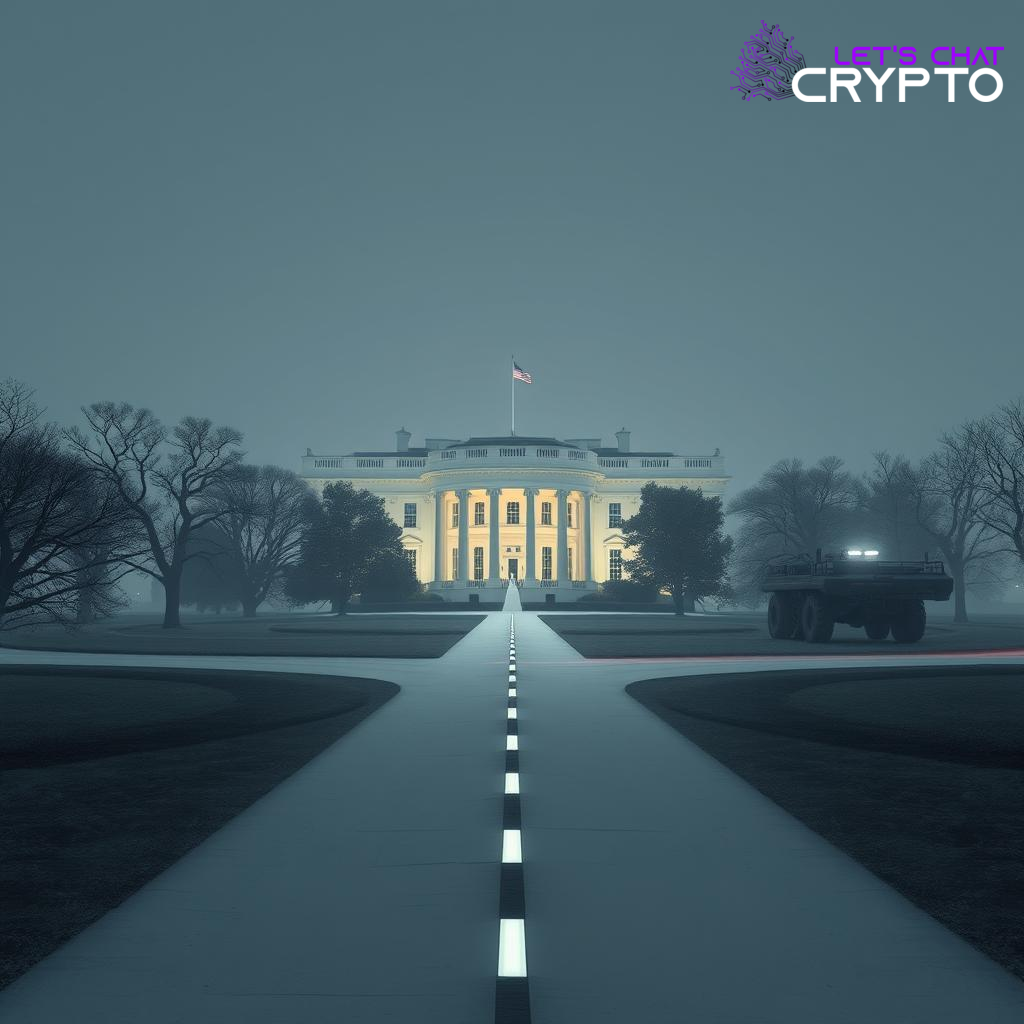
The Geopolitical Chess Match Over AI: Anthropic's Federal Future
In a significant development reflecting the intricate dance between innovation and national security, the White House is reportedly evaluating the potential reinstatement of Anthropic's artificial intelligence models for broader federal agency use. This consideration emerges despite lingering restrictions from the Pentagon, highlighting a nascent but potent conflict over the integration of advanced AI within government operations.
A Shift from Previous Administrations: Trump-Era Foundations
Sources indicate that during the Trump administration, officials had already begun drafting comprehensive guidance aimed at facilitating federal agencies' access to Anthropic's AI offerings, including its sophisticated Claude Mythos model. This proactive stance underscored a burgeoning recognition of AI's transformative potential across governmental functions. However, these initiatives apparently faced headwinds from the Department of Defense, which expressed reservations and imposed limitations on the widespread adoption of specific AI technologies, citing security and operational concerns.
The Biden Administration's Deliberation
The current White House's reported deliberations suggest a re-evaluation of these previous restrictions. The push to potentially open avenues for Anthropic's AI across federal agencies signifies a strategic decision point: balancing the imperative for technological advancement and efficiency with the stringent security protocols demanded by defense entities. The discussion likely encompasses the benefits of enhanced data analysis, operational automation, and improved decision-making capabilities that advanced AI can offer, juxtaposed with the inherent risks of data integrity, algorithmic bias, and potential exploitation by adversarial actors.
Pentagon's Enduring Concerns
The Pentagon's cautious approach is rooted in a fundamental responsibility to safeguard national security. Their reservations regarding AI deployment often revolve around the vetting process for proprietary algorithms, the security of supply chains, and the potential for unintended consequences in critical defense applications. While the specifics of the Pentagon's stance on Anthropic remain largely under wraps, their general posture towards AI integration emphasizes robust testing, transparency, and stringent oversight to prevent vulnerabilities that could compromise sensitive operations or data.
Implications for Federal AI Strategy
Should the White House proceed with reinstating or expanding Anthropic's use, it would signal a more aggressive federal strategy towards AI adoption. This move could set a precedent for other AI developers seeking to partner with government agencies, potentially streamlining the process but also intensifying the need for clear, unified federal guidelines on AI procurement and deployment. The ongoing tension between the executive branch's pursuit of innovation and the defense sector's emphasis on risk mitigation will undoubtedly shape the future landscape of AI within the U.S. government.
Summary
The White House is reportedly weighing the broad federal use of Anthropic's AI, including its Claude Mythos model, a move that could overturn or circumvent existing Pentagon restrictions. This deliberation highlights a strategic divide between the drive for technological advancement and the imperative for national security. The outcome will significantly influence federal AI strategy and set precedents for future government-AI partnerships, underscoring the complex challenges of integrating cutting-edge technology into governmental operations.
Resources
- Politico - White House weighs reinstating Anthropic for federal use amid Pentagon fight: Report
- Nextgov/FCW - Pentagon AI strategy focuses on responsible use across the department
- U.S. Department of Defense - DoD Chief Digital and Artificial Intelligence Officer Speaks at Reuters Generative AI Event (Provides insight into DoD AI thinking)
Details
Author
Top articles





 }})
You can now watch HBO Max for $10
Latest articles




You can now watch HBO Max for $10
The Geopolitical Chess Match Over AI: Anthropic's Federal Future
In a significant development reflecting the intricate dance between innovation and national security, the White House is reportedly evaluating the potential reinstatement of Anthropic's artificial intelligence models for broader federal agency use. This consideration emerges despite lingering restrictions from the Pentagon, highlighting a nascent but potent conflict over the integration of advanced AI within government operations.
A Shift from Previous Administrations: Trump-Era Foundations
Sources indicate that during the Trump administration, officials had already begun drafting comprehensive guidance aimed at facilitating federal agencies' access to Anthropic's AI offerings, including its sophisticated Claude Mythos model. This proactive stance underscored a burgeoning recognition of AI's transformative potential across governmental functions. However, these initiatives apparently faced headwinds from the Department of Defense, which expressed reservations and imposed limitations on the widespread adoption of specific AI technologies, citing security and operational concerns.
The Biden Administration's Deliberation
The current White House's reported deliberations suggest a re-evaluation of these previous restrictions. The push to potentially open avenues for Anthropic's AI across federal agencies signifies a strategic decision point: balancing the imperative for technological advancement and efficiency with the stringent security protocols demanded by defense entities. The discussion likely encompasses the benefits of enhanced data analysis, operational automation, and improved decision-making capabilities that advanced AI can offer, juxtaposed with the inherent risks of data integrity, algorithmic bias, and potential exploitation by adversarial actors.
Pentagon's Enduring Concerns
The Pentagon's cautious approach is rooted in a fundamental responsibility to safeguard national security. Their reservations regarding AI deployment often revolve around the vetting process for proprietary algorithms, the security of supply chains, and the potential for unintended consequences in critical defense applications. While the specifics of the Pentagon's stance on Anthropic remain largely under wraps, their general posture towards AI integration emphasizes robust testing, transparency, and stringent oversight to prevent vulnerabilities that could compromise sensitive operations or data.
Implications for Federal AI Strategy
Should the White House proceed with reinstating or expanding Anthropic's use, it would signal a more aggressive federal strategy towards AI adoption. This move could set a precedent for other AI developers seeking to partner with government agencies, potentially streamlining the process but also intensifying the need for clear, unified federal guidelines on AI procurement and deployment. The ongoing tension between the executive branch's pursuit of innovation and the defense sector's emphasis on risk mitigation will undoubtedly shape the future landscape of AI within the U.S. government.
Summary
The White House is reportedly weighing the broad federal use of Anthropic's AI, including its Claude Mythos model, a move that could overturn or circumvent existing Pentagon restrictions. This deliberation highlights a strategic divide between the drive for technological advancement and the imperative for national security. The outcome will significantly influence federal AI strategy and set precedents for future government-AI partnerships, underscoring the complex challenges of integrating cutting-edge technology into governmental operations.
Resources
- Politico - White House weighs reinstating Anthropic for federal use amid Pentagon fight: Report
- Nextgov/FCW - Pentagon AI strategy focuses on responsible use across the department
- U.S. Department of Defense - DoD Chief Digital and Artificial Intelligence Officer Speaks at Reuters Generative AI Event (Provides insight into DoD AI thinking)
Top articles
You can now watch HBO Max for $10
Latest articles
You can now watch HBO Max for $10
Similar posts



This is a page that only logged-in people can visit. Don't you feel special? Try clicking on a button below to do some things you can't do when you're logged out.
Example modal
At your leisure, please peruse this excerpt from a whale of a tale.
Chapter 1: Loomings.
Call me Ishmael. Some years ago—never mind how long precisely—having little or no money in my purse, and nothing particular to interest me on shore, I thought I would sail about a little and see the watery part of the world. It is a way I have of driving off the spleen and regulating the circulation. Whenever I find myself growing grim about the mouth; whenever it is a damp, drizzly November in my soul; whenever I find myself involuntarily pausing before coffin warehouses, and bringing up the rear of every funeral I meet; and especially whenever my hypos get such an upper hand of me, that it requires a strong moral principle to prevent me from deliberately stepping into the street, and methodically knocking people's hats off—then, I account it high time to get to sea as soon as I can. This is my substitute for pistol and ball. With a philosophical flourish Cato throws himself upon his sword; I quietly take to the ship. There is nothing surprising in this. If they but knew it, almost all men in their degree, some time or other, cherish very nearly the same feelings towards the ocean with me.
Comment