Donald Trump and Bitcoin: A Complex Legacy of Market Legitimacy and Partisan Entrenchment

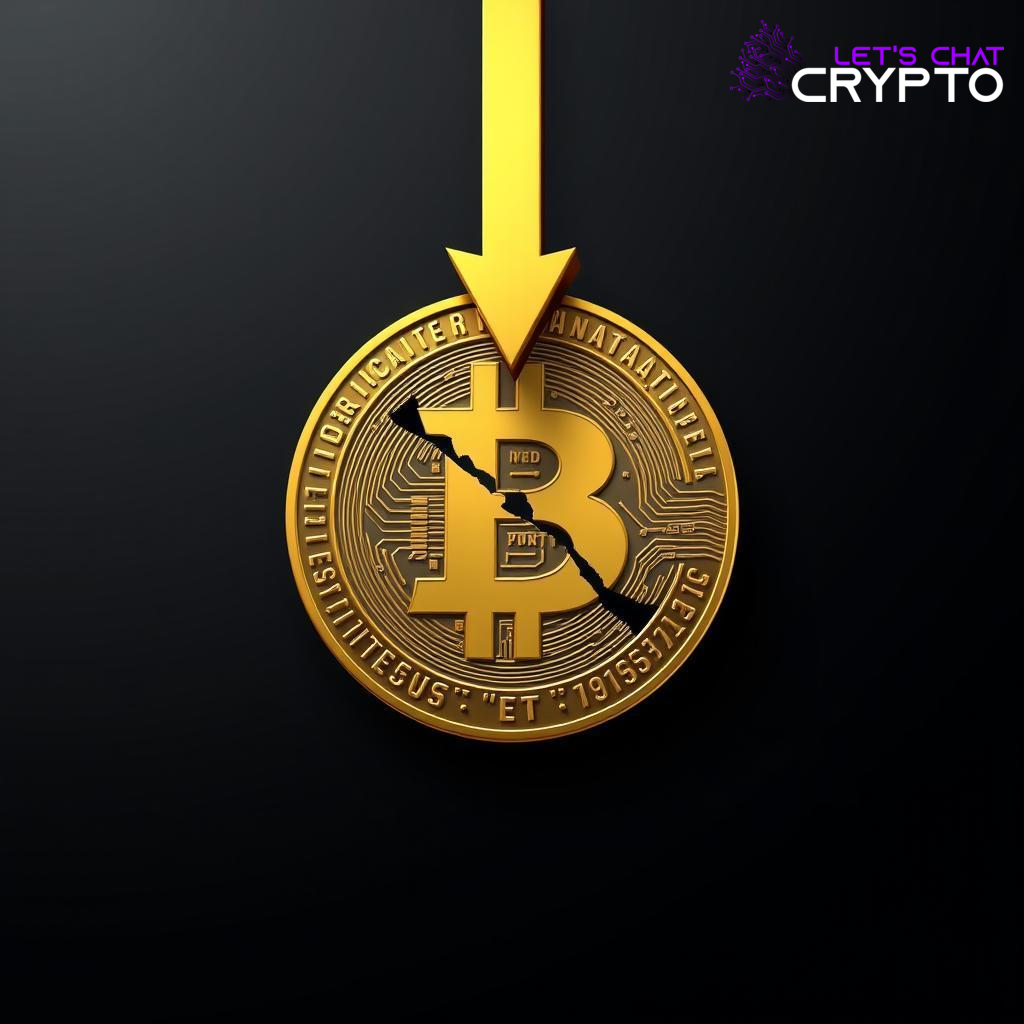
The Trump Paradox: Bitcoin's Unlikely Champion or Political Wedge?
The question of whether Donald Trump has been a net positive for Bitcoin is one that elicits discomfort among many in the cryptocurrency community, particularly those with longstanding political reservations regarding his presidency. My criticisms, shared by numerous observers, extend beyond mere policy disagreements to encompass his rhetoric, institutional conduct, and the broader political culture that defined his time in office. Yet, these considerations do not negate the need for an objective analysis of his influence on the digital asset.
From Skepticism to Strategic Embrace
Initially, Trump was an outspoken critic of Bitcoin, famously declaring in 2019 that he was "not a fan" of cryptocurrencies, dismissing them as "not money" and based on "thin air." This early skepticism mirrored a general apprehension from traditional financial and political establishments. However, as the cryptocurrency landscape evolved and its mainstream acceptance grew, so too did Trump's public posture.
His shift became evident with ventures into non-fungible tokens (NFTs) and, more recently, the announcement that his presidential campaign would accept cryptocurrency donations. This marked a significant pivot, transforming a former detractor into a figure seemingly keen to leverage the crypto sphere for political gain. Furthermore, his vocal opposition to Central Bank Digital Currencies (CBDCs), characterizing them as potentially "dangerous," resonates strongly with a segment of the crypto community that values decentralization and financial autonomy.
Market Dynamics and Attributable Impact
Assessing Trump's direct "net positive" impact on Bitcoin's market performance requires careful consideration. Bitcoin experienced significant bull runs during periods overlapping his presidency, notably in 2017 and during the late 2020-early 2021 surge. However, attributing these movements solely or even primarily to Trump's actions or rhetoric would be an oversimplification. Global macroeconomic trends, increasing institutional adoption, technological advancements, and broader market sentiment typically exert more profound influence on Bitcoin's price trajectory than any single political figure.
Nevertheless, his recent, more favorable disposition towards crypto can be seen as a form of legitimization. When a figure of Trump's stature acknowledges and engages with cryptocurrencies, it inherently contributes to their mainstream visibility and acceptance, moving them further away from the fringes of finance.
Solidifying the Partisan Divide
Perhaps Trump's most indelible mark on the Bitcoin and broader crypto space is the accelerating partisan divide it has fostered within American politics. Traditionally, discussions around digital assets transcended conventional political lines, focusing more on technological innovation and financial freedom. However, Trump's strategic embrace of crypto, coupled with his campaign's alignment with a 'pro-crypto' stance, has increasingly cast the asset class as a partisan issue.
A growing faction within the Republican party now champions crypto innovation, advocating for clearer regulatory frameworks that foster growth rather than stifle it. This often contrasts with a more cautious approach from some Democratic policymakers, who tend to prioritize consumer protection, environmental concerns related to energy consumption, and the mitigation of illicit finance risks. Trump's rhetoric, particularly his strong stance against CBDCs, further galvanizes his base and positions crypto as an issue aligned with conservative values of individual liberty and skepticism towards government overreach.
This politicization carries inherent risks. While it might energize a segment of the crypto community and potentially lead to more favorable policies under a Republican administration, it also threatens to complicate efforts for bipartisan consensus on sensible, long-term regulatory frameworks. If crypto becomes an entrenched ideological battleground, its ability to achieve broad, unified support for its integration into the global financial system could be hindered.
Summary and Conclusion
Donald Trump's relationship with Bitcoin presents a duality. On one hand, his evolution from vocal critic to an apparent proponent has arguably lent significant mainstream visibility and a degree of political legitimization to the asset class. His willingness to accept crypto donations and his anti-CBDC stance resonate with many in the crypto sphere, suggesting a potentially more favorable regulatory landscape should he return to office.
On the other hand, his actions have undeniably contributed to the increasing partisan polarization of cryptocurrency in the United States. By aligning crypto more explicitly with a specific political ideology and party, he risks making it another contentious issue in an already deeply divided political landscape. This entrenchment could ultimately impede the development of a coherent, bipartisan national strategy for digital assets, potentially creating longer-term hurdles for Bitcoin's widespread adoption and regulatory clarity.
Resources
Details
Author
Top articles




 }})
You can now watch HBO Max for $10
Latest articles





You can now watch HBO Max for $10
The Trump Paradox: Bitcoin's Unlikely Champion or Political Wedge?
The question of whether Donald Trump has been a net positive for Bitcoin is one that elicits discomfort among many in the cryptocurrency community, particularly those with longstanding political reservations regarding his presidency. My criticisms, shared by numerous observers, extend beyond mere policy disagreements to encompass his rhetoric, institutional conduct, and the broader political culture that defined his time in office. Yet, these considerations do not negate the need for an objective analysis of his influence on the digital asset.
From Skepticism to Strategic Embrace
Initially, Trump was an outspoken critic of Bitcoin, famously declaring in 2019 that he was "not a fan" of cryptocurrencies, dismissing them as "not money" and based on "thin air." This early skepticism mirrored a general apprehension from traditional financial and political establishments. However, as the cryptocurrency landscape evolved and its mainstream acceptance grew, so too did Trump's public posture.
His shift became evident with ventures into non-fungible tokens (NFTs) and, more recently, the announcement that his presidential campaign would accept cryptocurrency donations. This marked a significant pivot, transforming a former detractor into a figure seemingly keen to leverage the crypto sphere for political gain. Furthermore, his vocal opposition to Central Bank Digital Currencies (CBDCs), characterizing them as potentially "dangerous," resonates strongly with a segment of the crypto community that values decentralization and financial autonomy.
Market Dynamics and Attributable Impact
Assessing Trump's direct "net positive" impact on Bitcoin's market performance requires careful consideration. Bitcoin experienced significant bull runs during periods overlapping his presidency, notably in 2017 and during the late 2020-early 2021 surge. However, attributing these movements solely or even primarily to Trump's actions or rhetoric would be an oversimplification. Global macroeconomic trends, increasing institutional adoption, technological advancements, and broader market sentiment typically exert more profound influence on Bitcoin's price trajectory than any single political figure.
Nevertheless, his recent, more favorable disposition towards crypto can be seen as a form of legitimization. When a figure of Trump's stature acknowledges and engages with cryptocurrencies, it inherently contributes to their mainstream visibility and acceptance, moving them further away from the fringes of finance.
Solidifying the Partisan Divide
Perhaps Trump's most indelible mark on the Bitcoin and broader crypto space is the accelerating partisan divide it has fostered within American politics. Traditionally, discussions around digital assets transcended conventional political lines, focusing more on technological innovation and financial freedom. However, Trump's strategic embrace of crypto, coupled with his campaign's alignment with a 'pro-crypto' stance, has increasingly cast the asset class as a partisan issue.
A growing faction within the Republican party now champions crypto innovation, advocating for clearer regulatory frameworks that foster growth rather than stifle it. This often contrasts with a more cautious approach from some Democratic policymakers, who tend to prioritize consumer protection, environmental concerns related to energy consumption, and the mitigation of illicit finance risks. Trump's rhetoric, particularly his strong stance against CBDCs, further galvanizes his base and positions crypto as an issue aligned with conservative values of individual liberty and skepticism towards government overreach.
This politicization carries inherent risks. While it might energize a segment of the crypto community and potentially lead to more favorable policies under a Republican administration, it also threatens to complicate efforts for bipartisan consensus on sensible, long-term regulatory frameworks. If crypto becomes an entrenched ideological battleground, its ability to achieve broad, unified support for its integration into the global financial system could be hindered.
Summary and Conclusion
Donald Trump's relationship with Bitcoin presents a duality. On one hand, his evolution from vocal critic to an apparent proponent has arguably lent significant mainstream visibility and a degree of political legitimization to the asset class. His willingness to accept crypto donations and his anti-CBDC stance resonate with many in the crypto sphere, suggesting a potentially more favorable regulatory landscape should he return to office.
On the other hand, his actions have undeniably contributed to the increasing partisan polarization of cryptocurrency in the United States. By aligning crypto more explicitly with a specific political ideology and party, he risks making it another contentious issue in an already deeply divided political landscape. This entrenchment could ultimately impede the development of a coherent, bipartisan national strategy for digital assets, potentially creating longer-term hurdles for Bitcoin's widespread adoption and regulatory clarity.
Resources
Top articles
You can now watch HBO Max for $10
Latest articles
You can now watch HBO Max for $10
Similar posts




This is a page that only logged-in people can visit. Don't you feel special? Try clicking on a button below to do some things you can't do when you're logged out.
Example modal
At your leisure, please peruse this excerpt from a whale of a tale.
Chapter 1: Loomings.
Call me Ishmael. Some years ago—never mind how long precisely—having little or no money in my purse, and nothing particular to interest me on shore, I thought I would sail about a little and see the watery part of the world. It is a way I have of driving off the spleen and regulating the circulation. Whenever I find myself growing grim about the mouth; whenever it is a damp, drizzly November in my soul; whenever I find myself involuntarily pausing before coffin warehouses, and bringing up the rear of every funeral I meet; and especially whenever my hypos get such an upper hand of me, that it requires a strong moral principle to prevent me from deliberately stepping into the street, and methodically knocking people's hats off—then, I account it high time to get to sea as soon as I can. This is my substitute for pistol and ball. With a philosophical flourish Cato throws himself upon his sword; I quietly take to the ship. There is nothing surprising in this. If they but knew it, almost all men in their degree, some time or other, cherish very nearly the same feelings towards the ocean with me.
Comment